


Air Canada Reports Impasse in CUPE Talks as Strike Deadline Approaches

Air Canada has announced that negotiations with the Canadian Union of Public Employees (CUPE), representing 10,000 flight attendants at Air Canada and Air Canada Rouge, have reached an impasse. The parties will be able to issue a 72-hour strike or lockout notice at 12:01 a.m. Eastern Time on August 13, which could lead to a work stoppage as early as August 16.
The airline stated that the union recently submitted a counteroffer seeking increases beyond earlier proposals and declined the company’s offer to resolve remaining issues through binding arbitration. Air Canada’s August 11 proposal included a total compensation increase of 38% over four years—25% in the first year—along with changes to ground pay, pensions, benefits, and crew rest provisions. No concessions were sought in return.
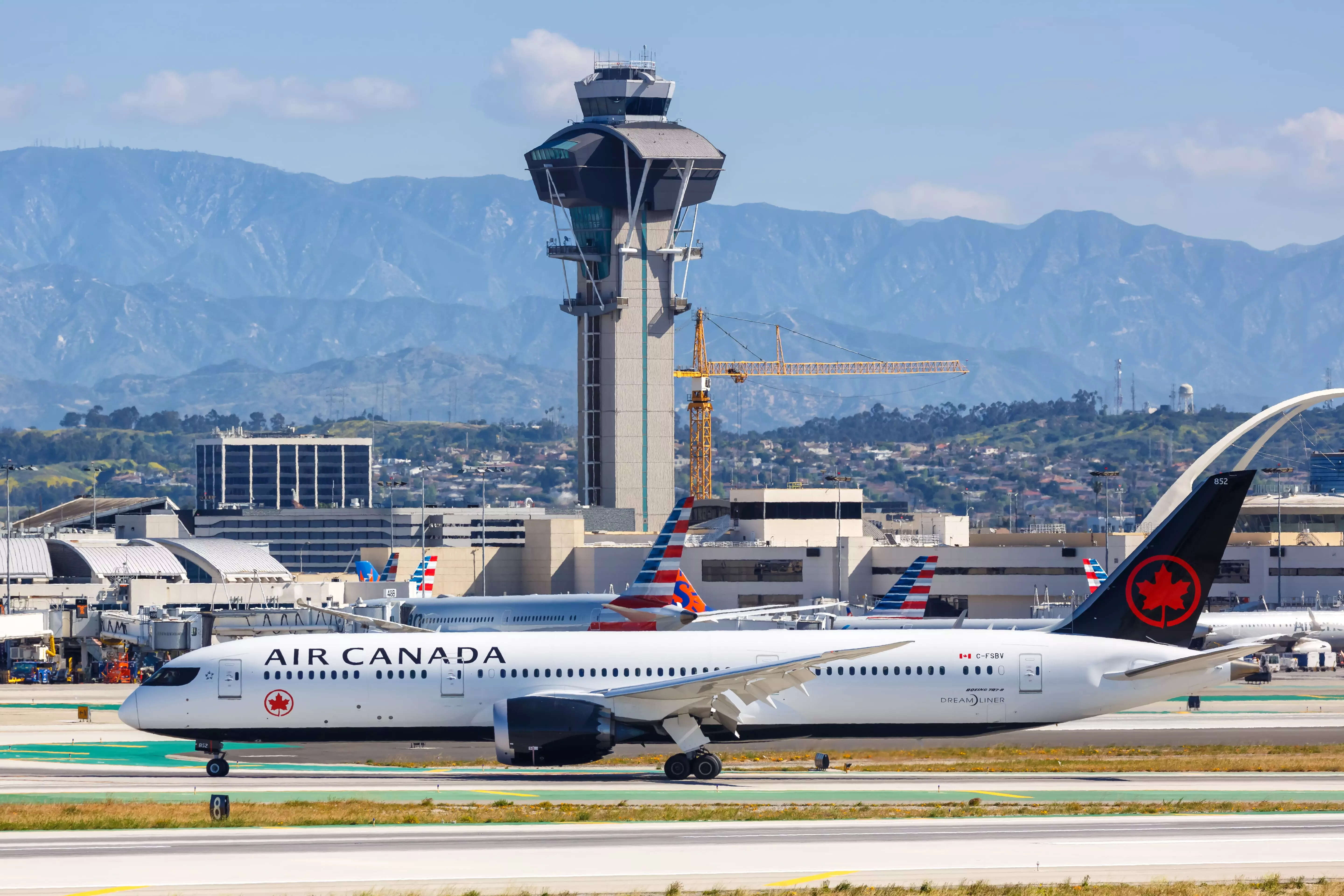
Air Canada has indicated it will request government-directed arbitration under section 107 of the Canada Labour Code to avoid a work stoppage and reduce uncertainty for customers. The airline noted that previous government interventions in other sectors have set a precedent for this approach.
If a disruption occurs, Air Canada Express flights operated by Jazz and PAL Airlines will continue, though these account for about 20% of daily passengers. The remaining 130,000 daily customers could be affected, including 25,000 Canadians returning from abroad.

The airline has advised customers to check their flight status before travelling to the airport and to use self-service tools, as contact centre wait times may be longer than usual. Customers whose flights are cancelled will be eligible for a refund and may be offered alternate travel arrangements, though space on other carriers will be limited during the summer peak.
Under Canada’s Airline Passenger Protection Regulations, passengers are not eligible for compensation for delays or cancellations caused by a labour dispute. Air Canada will provide information on passenger rights and meet all regulatory obligations in the event of a disruption.















Leave a comment