

WTTC Estimates Iran Conflict Is Costing Travel and Tourism $600 Million Daily
The World Travel & Tourism Council (WTTC) has indicated that the escalating conflict involving Iran is affecting the travel and tourism sector across the Middle East, with international visitor spending declining by an estimated US$600 million per day. The impact is linked to disruptions in air travel, reduced traveller confidence and interruptions to regional connectivity.
The Middle East plays an important role in global tourism, accounting for around 5% of international arrivals worldwide and about 14% of global international transit traffic. Disruptions in the region can therefore influence travel demand across the wider aviation and tourism ecosystem, affecting airports, airlines, hotels, cruise operators and car rental companies.
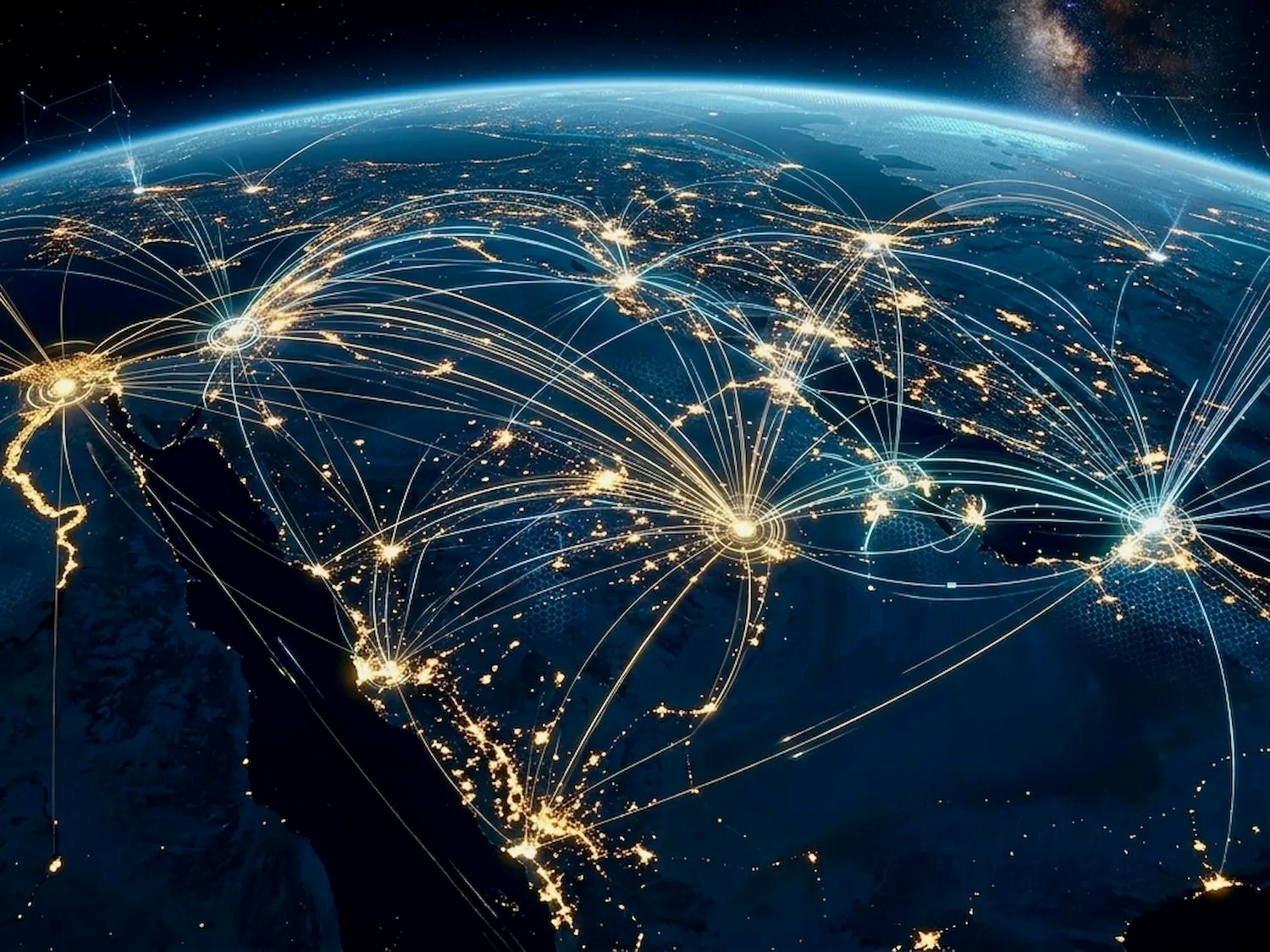
Several key aviation hubs in the region, including Dubai, Abu Dhabi, Doha and Bahrain, have experienced operational disruptions as the situation has developed. These hubs collectively handle approximately 526,000 passengers per day under normal circumstances, meaning that operational interruptions can significantly affect regional and global travel connectivity.
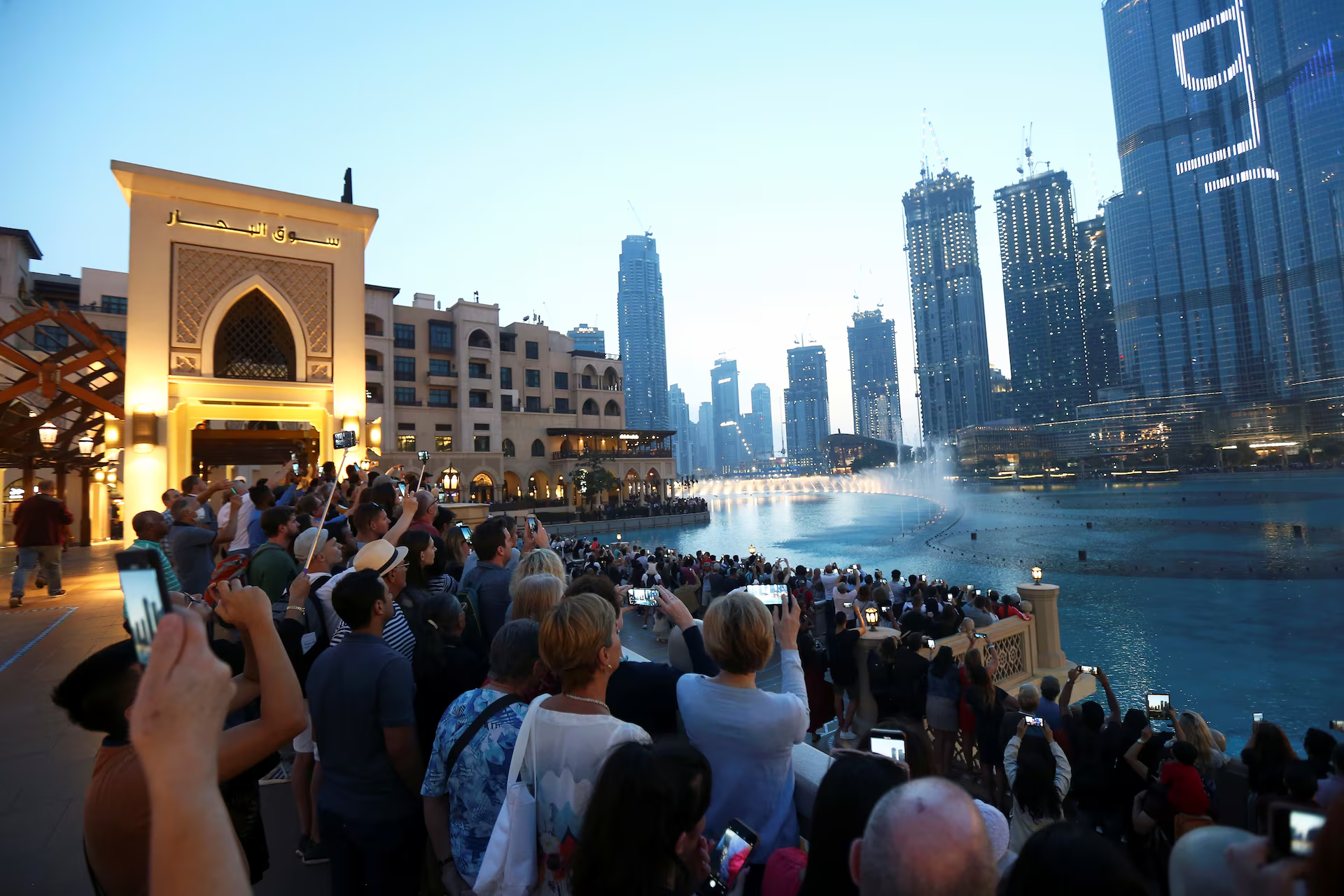
WTTC’s assessment draws on its 2026 pre-conflict outlook for the Middle East, which had projected US$207 billion in international visitor spending across the region during the year. With such a large volume of tourism-related spending in the region, disruptions to travel flows can quickly translate into economic losses for tourism businesses.
Despite the current situation, WTTC noted that travel and tourism have shown an ability to recover following periods of disruption. Past research by the organisation suggests that tourism demand after security-related incidents can recover relatively quickly when governments and industry stakeholders coordinate to restore traveller confidence.

Gloria Guevara, President and CEO of WTTC, said that international visitor spending in the Middle East averages around US$600 million per day, highlighting the scale of tourism activity in the region. She noted that recovery can be supported when governments assist travellers, including through repatriation efforts and support measures for affected visitors.
Guevara added that communication and coordination between governments and the private sector are important for rebuilding traveller confidence and helping tourism activity resume.
WTTC said it is continuing to monitor developments closely and remains in contact with governments and industry stakeholders to support travellers and maintain the stability of the travel and tourism sector.














Leave a comment