

11 Years of Infrastructure Development Drive Growth in India’s Tourism Sector
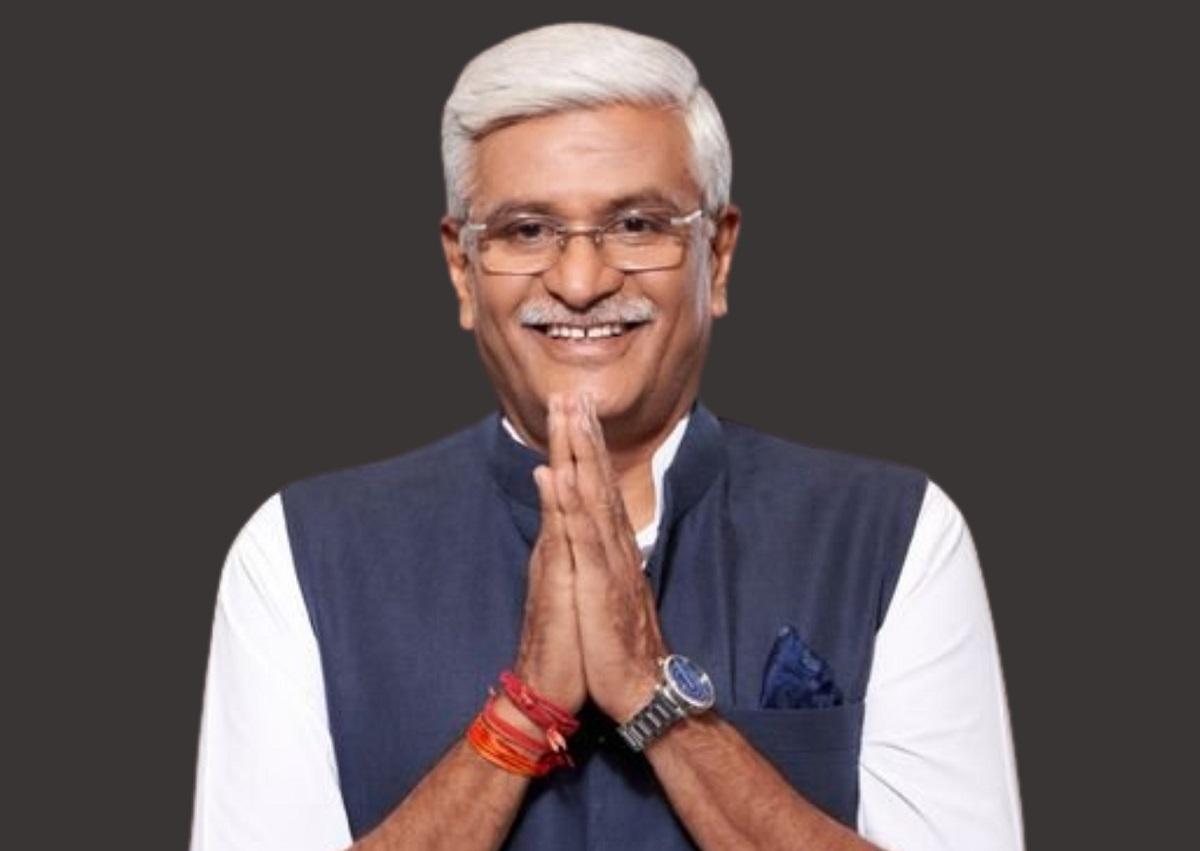
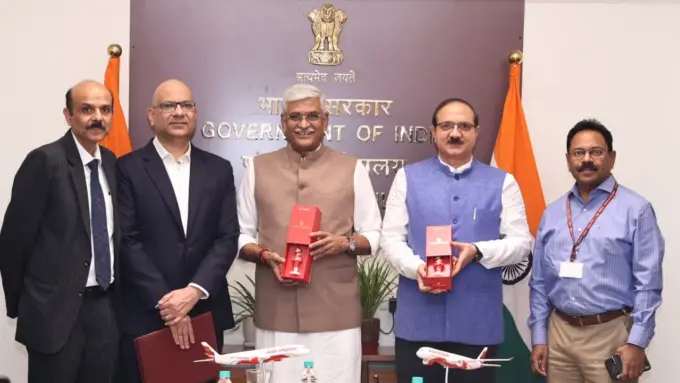
Union Minister for Tourism, Gajendra Singh Shekhawat, said India has seen a significant shift in infrastructure development over the past 11 years, particularly across road transport, railways and waterways. Speaking at a press conference in New Delhi, he noted that this phase of accelerated infrastructure creation has supported economic activity and contributed to steady growth in the tourism sector.

The Minister explained that while infrastructure development progressed gradually in the decades after Independence, recent years have seen coordinated expansion supported by focused policies, sustained investment and international branding initiatives. These efforts, he said, have strengthened India’s position among both domestic and international travellers.
Growth in tourist arrivals and earnings
Between 2014 and 2024, India recorded 161.16 million International Tourist Arrivals (ITAs). Foreign Tourist Arrivals (FTAs) reached 86.22 million during this period, compared to 52.99 million between 2004 and 2013.
Foreign Exchange Earnings (FEEs) from tourism stood at ₹18.85 lakh crore during 2014–2024, compared with ₹6.01 lakh crore in the previous decade. Domestic Tourist Visits (DTVs) increased to 18,639.35 million during 2014–2024, up from 6,779.10 million during 2004–2013.
Expansion of tourism infrastructure
Under the Swadesh Darshan Scheme, launched in 2015, 76 projects worth ₹5,290.33 crore were sanctioned, of which 75 have been physically completed. Swadesh Darshan 2.0 has approved 53 destination-centric and sustainable tourism projects with an outlay of ₹2,208.27 crore.
The Challenge-Based Destination Development (CBDD) initiative has approved 36 projects totalling ₹648.11 crore across themes including spiritual tourism, culture and heritage, the Vibrant Village Programme, ecotourism, and Amrit Dharohar sites. These projects aim to strengthen the tourism value chain and improve visitor access and experience.
In 2024–25, 40 projects across 23 states were sanctioned under the Special Assistance to States for Capital Investment (SASCI) scheme, with ₹3,295.76 crore in long-term, interest-free loans provided to support destination development. In addition, 57 projects worth ₹845.51 crore were sanctioned under the Assistance to Central Agencies Scheme for organisations such as the Archaeological Survey of India, port trusts, ITDC, and the Railways.
Connectivity improvements

India’s National Highway network expanded by around 60%, increasing from 91,287 km in 2014 to 1,46,195 km at present, improving connectivity to major tourist destinations. For comparison, the network stood at 65,569 km in 2004, according to the Ministry of Road Transport & Highways.
The Minister said this integrated approach to infrastructure, connectivity and tourism development has supported livelihoods and contributed to broader socio-economic outcomes, with tourism continuing to play a growing role in India’s development trajectory.















Leave a comment