

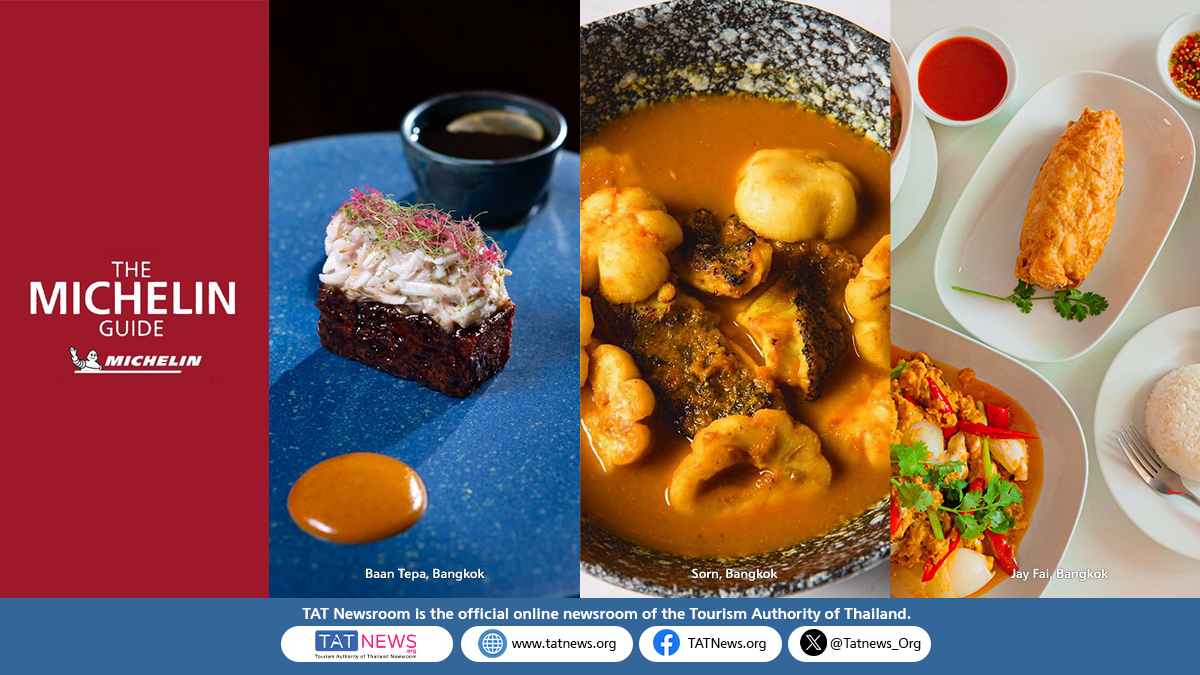
Thailand’s Dining Landscape Evolves with the Michelin Guide

Thailand has long been renowned for its vibrant street food culture, where wok-fired spices and fresh herbs play a key role in everyday meals. Since the Michelin Guide was introduced in 2017, in partnership with the Tourism Authority of Thailand (TAT), the country’s culinary scene has continued to evolve. The initiative aimed not only to highlight outstanding restaurants but also to position Thailand as a significant global culinary destination.
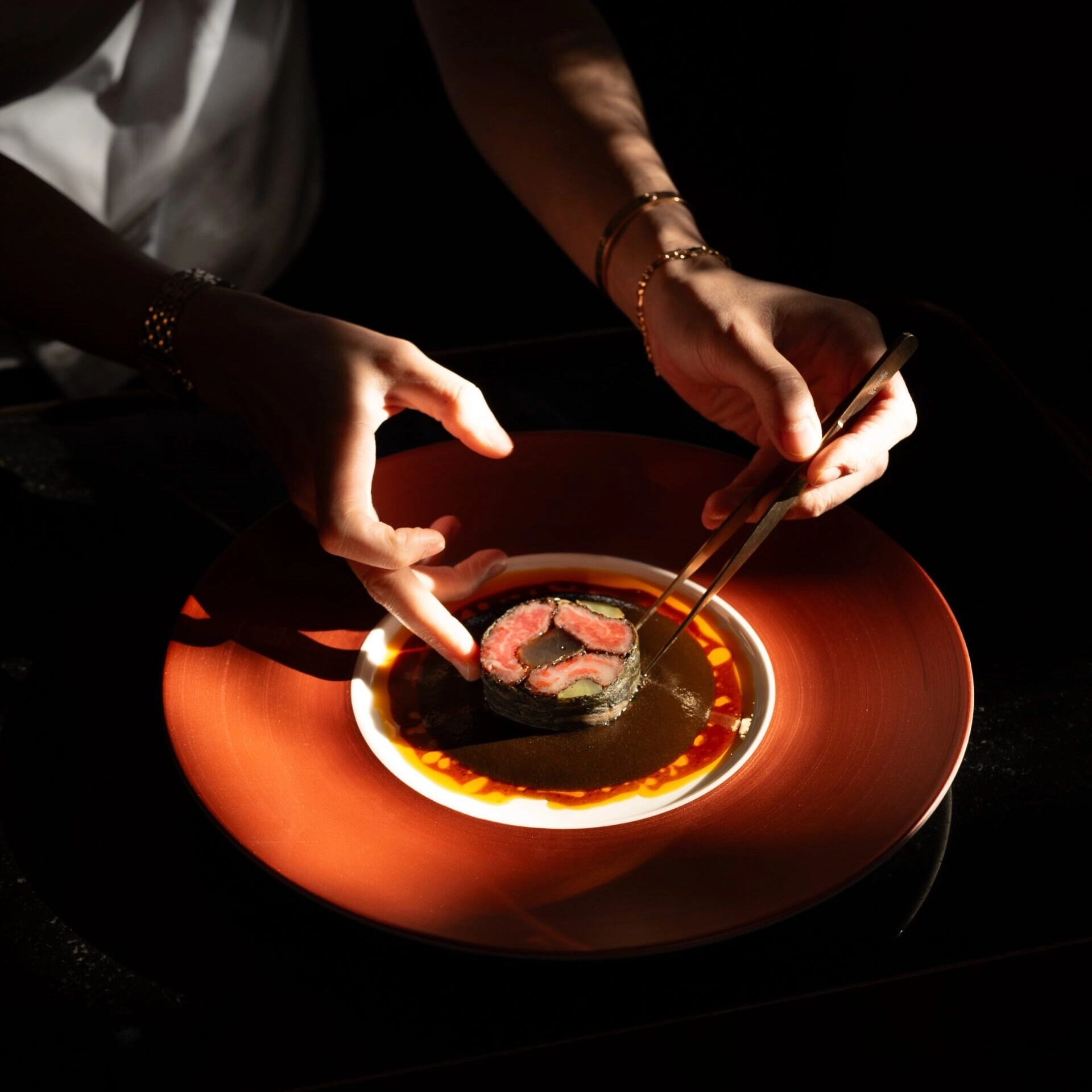
This collaboration has fostered progress in various areas of the food ecosystem, including local sourcing, kitchen practices, community-driven supply chains, and culinary tourism. The Michelin Guide has highlighted Thailand’s food heritage and offered fresh perspectives on how Thai cuisine can be presented and experienced.
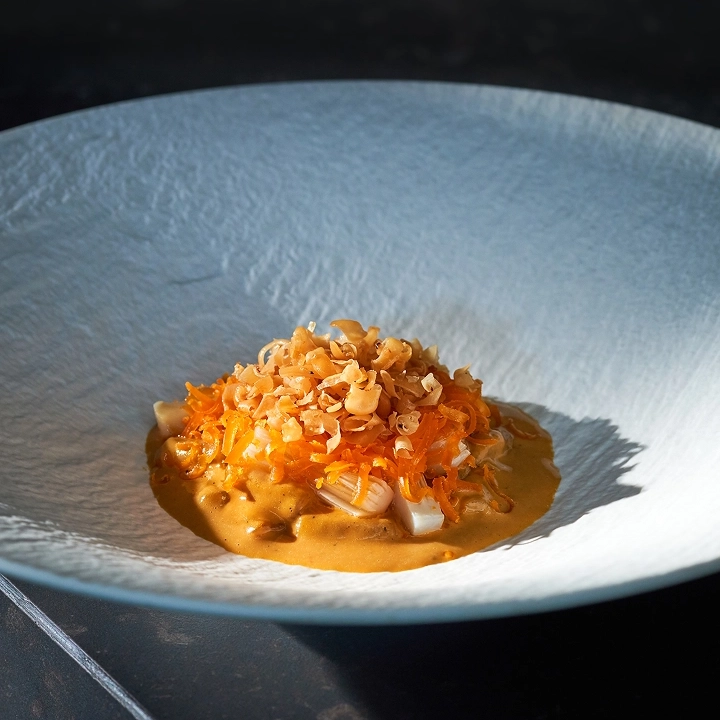
One of the initial visible outcomes has been the rise of gastronomic tourism. International travelers are now actively seeking restaurants recognized by the Guide, which has led to an increase in visitation and culinary exploration throughout the country. Additionally, the Guide has highlighted both upscale dining establishments and iconic street food venues, such as Jay Fai in Bangkok, showcasing that quality can be found in various forms of Thai cuisine.

A more profound change is unfolding among producers and kitchens. The Guide’s focus on ingredient quality has strengthened the movement toward local sourcing and environmentally conscious practices. The Michelin Green Star, introduced to recognise restaurants that prioritise responsible initiatives, has further supported this shift. These restaurants prioritize sourcing ingredients directly from local farms, ensuring traceability, and minimizing waste.
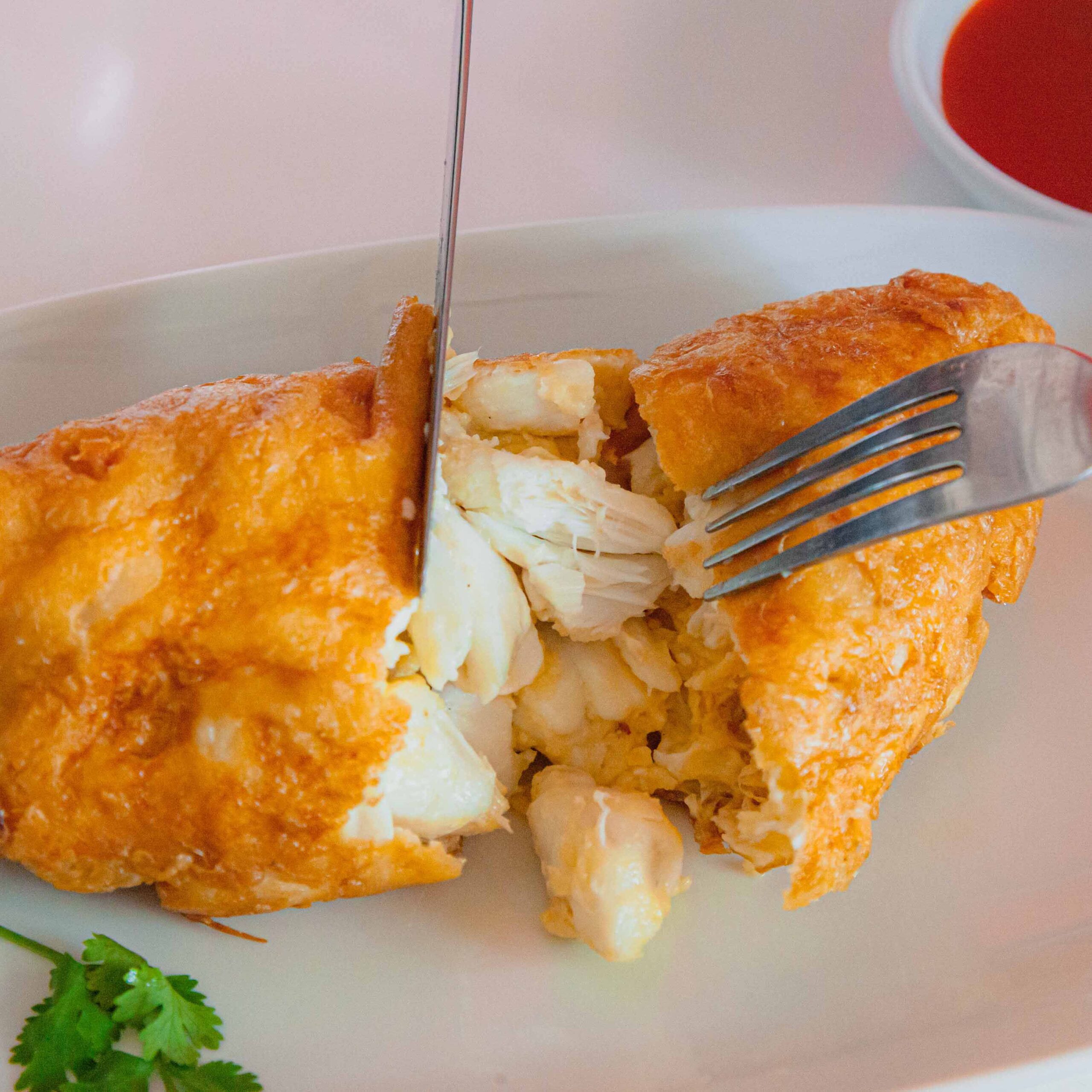
An example is Baan Tepa in Bangkok, which holds both two Michelin Stars and a Green Star. The restaurant operates with a farm-to-table approach, cultivating ingredients on-site and using composting systems to minimise waste. This creates a closed-loop model that aligns culinary practice with environmental consideration.
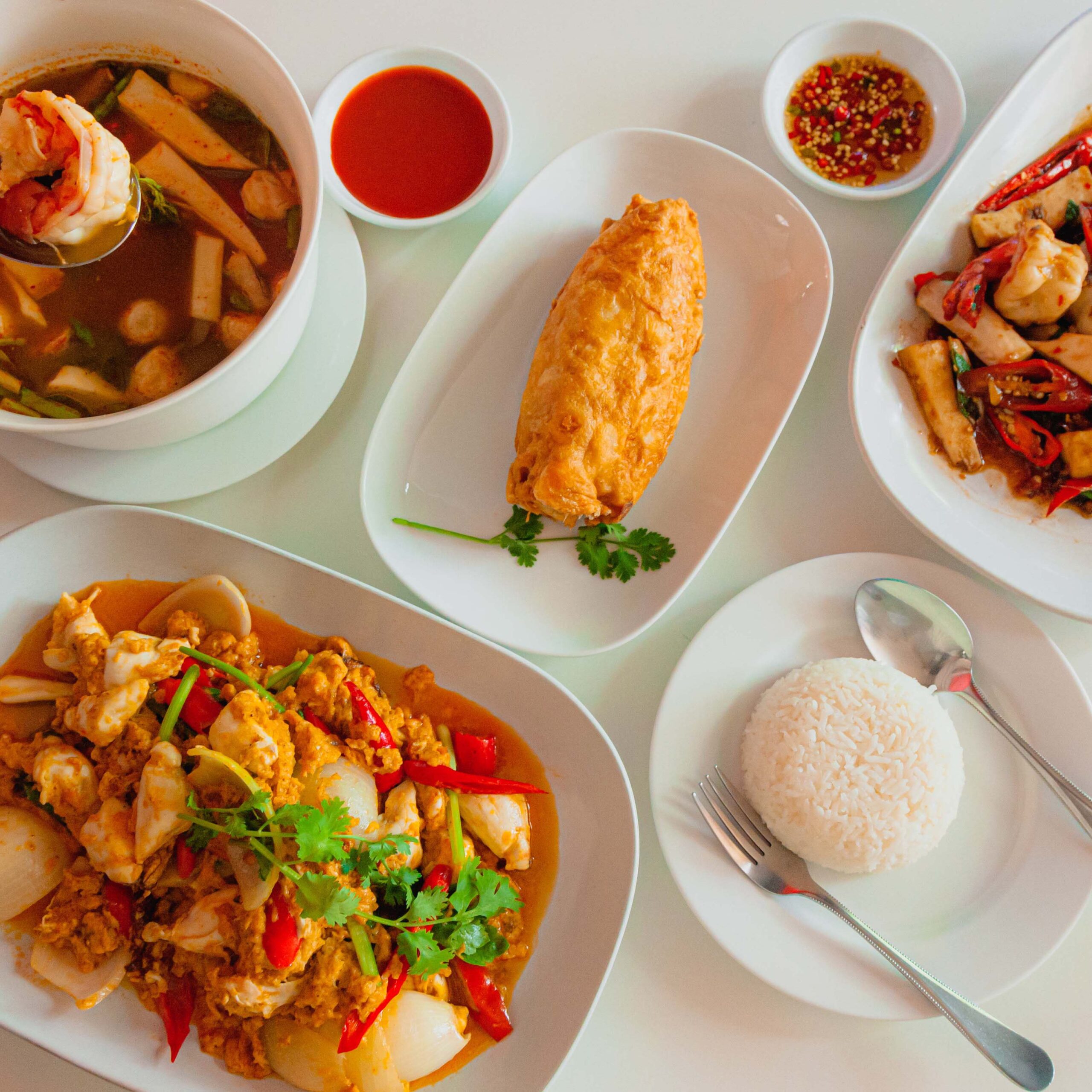
This philosophy is also seen in regional dining, where chefs are rediscovering heritage ingredients and working directly with small-scale farmers. These partnerships help preserve agricultural knowledge and provide stable markets for growers. In turn, diners experience Thai cuisine that reflects the character of different regions.
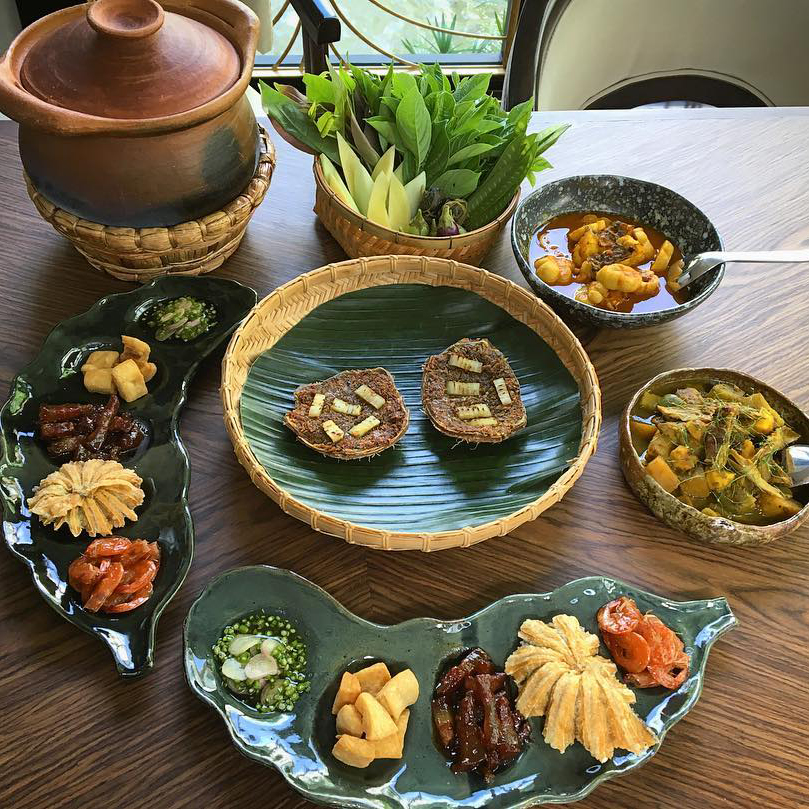
In Chiang Mai, for instance, small farms supplying organic produce have formed ongoing collaborations with restaurants such as Sorn in Bangkok. These farms now grow ingredients that were once imported, supporting local agricultural networks and providing chefs with access to fresh, distinctive produce.
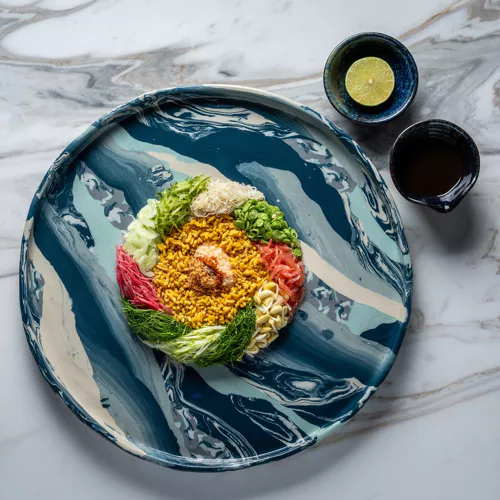
The Michelin Guide’s presence in Thailand has encouraged an approach to dining that recognises the connection between food, place, and community. It has highlighted the role of farmers, producers, and regional culinary identity while promoting more responsible sourcing methods.
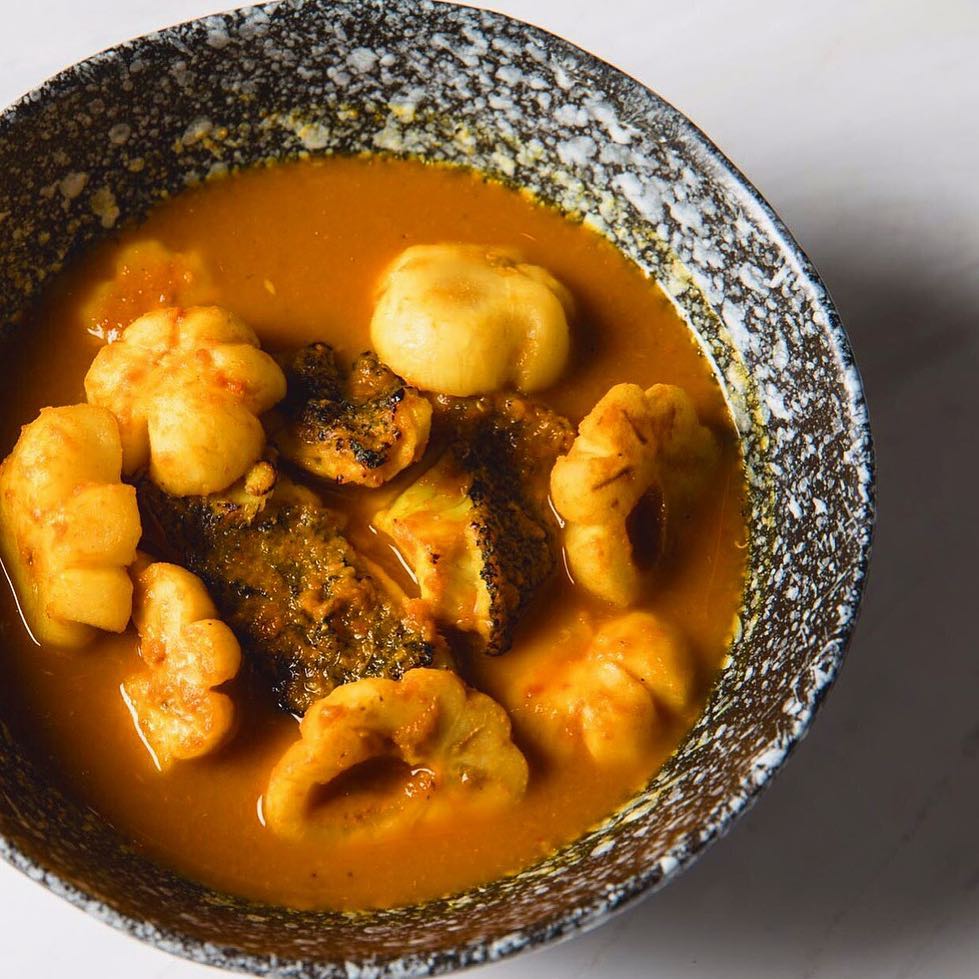
Thailand’s culinary story continues to develop, shaped by collaboration between chefs, local communities, and the broader tourism sector. The Guide has played a part in this progression, reinforcing both the heritage and adaptability of Thai cuisine.
















Leave a comment