


Saudi Arabia Drives Middle East Travel Growth Above Global Average
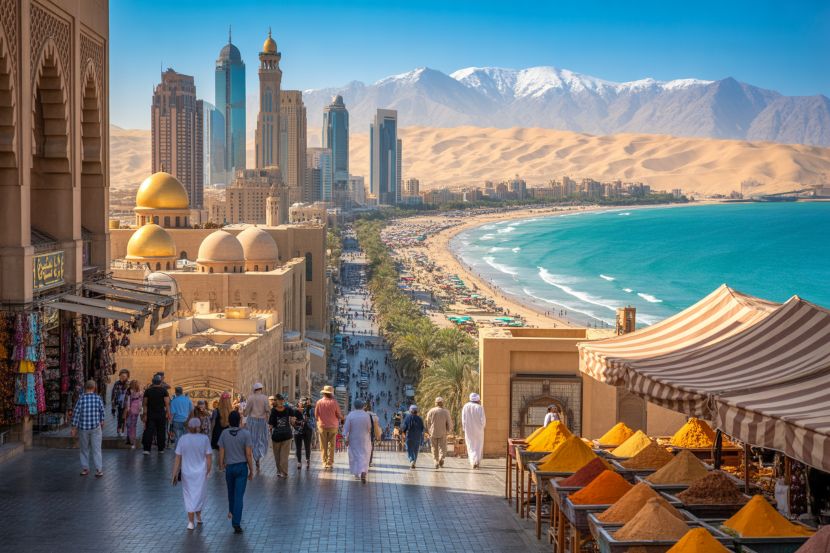
Saudi Arabia Leads Middle East Travel Growth in 2025
The World Travel & Tourism Council (WTTC) reports that the Middle East’s Travel & Tourism sector grew by 5.3% in 2025, exceeding the global average growth rate of 4.1%. The findings come from WTTC’s latest Economic Impact Research (EIR), which tracks the sector’s performance across key indicators.
The data shows growth across international visitor spending, domestic travel and business travel. International visitor spending in the region rose by 5.2%, compared with 3.2% globally, reflecting continued demand and improved connectivity.

Travel & Tourism contributed approximately $385.8 billion to the region’s GDP in 2025 and supported around 7.1 million jobs, highlighting its role within the regional economy.
Saudi Arabia accounted for a significant share of this growth. The country’s Travel & Tourism sector contributed $178 billion to GDP, representing 46% of the regional total. Sector growth in Saudi Arabia reached 7.4% in 2025, compared with the global average of 4.1% and the regional average of 5.3%.
International visitor spending in Saudi Arabia increased by 8.2%, while business travel saw notable expansion, with spending rising by more than 55%. This reflects the country’s increasing role in hosting events, conferences and business activity.
Other markets in the region also recorded steady performance. The United Arab Emirates reported Travel & Tourism GDP of $68.5 billion, with international visitor spending reaching $56.9 billion. Jordan saw sector growth of 5.5%, with visitor spending at $8.5 billion, while Oman recorded similar growth of 5.5%, alongside $4.0 billion in international visitor spending.
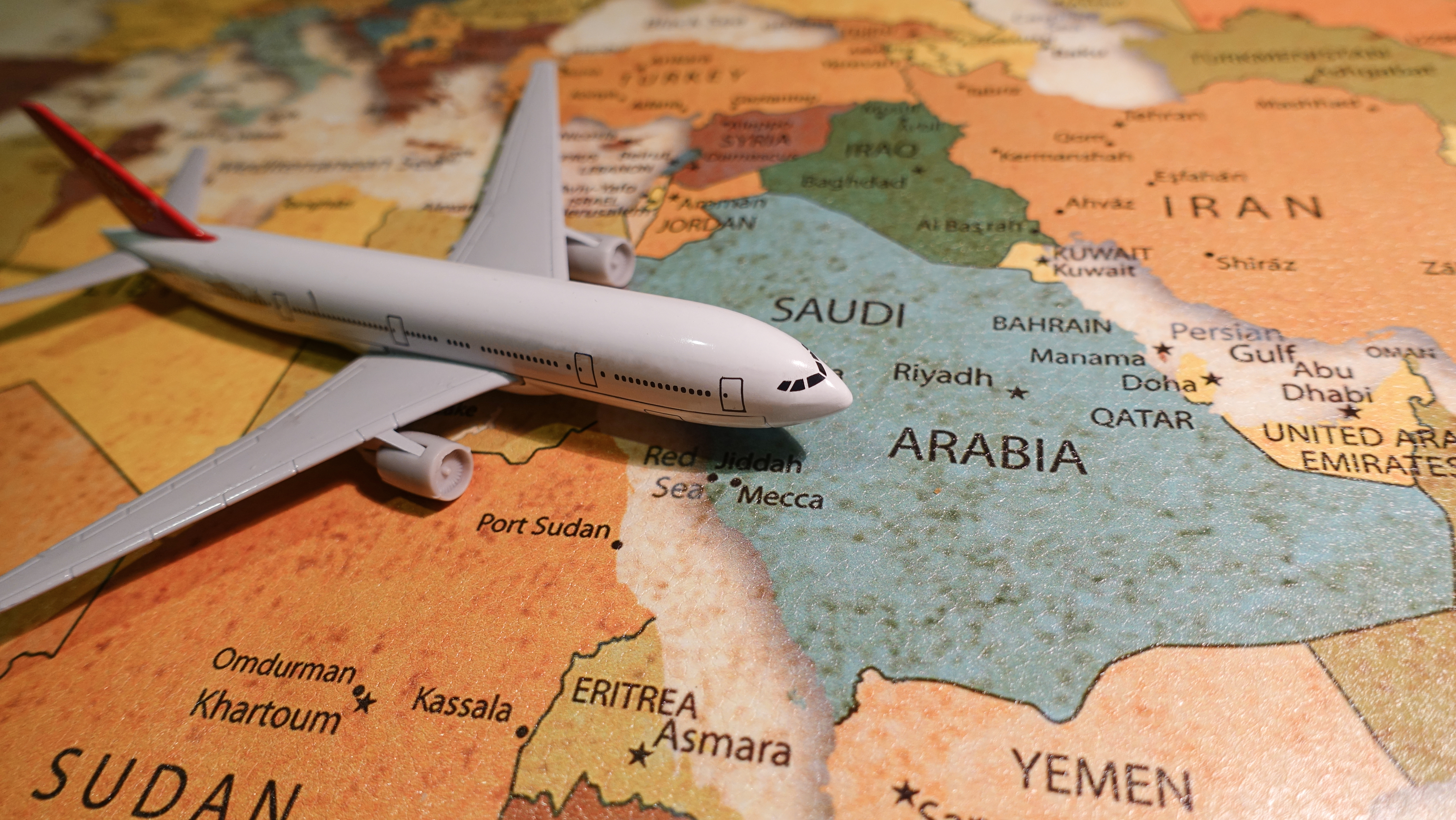
Business travel continues to play a key role across the Middle East, with overall spending rising by 23% in 2025. The increase reflects demand for in-person engagement and the region’s role as a host of international events and investment activity.
WTTC notes that continued investment in infrastructure, connectivity and destination development will be important to sustain growth. Strengthening collaboration between public and private sectors is also expected to support visitor spending, job creation and long-term development across the region.
For more travel and tourism updates, follow Safari India.













Leave a comment