

Hospitality Sector Seeks GST Reforms; FHRAI Outlines Five-Point Agenda
As the GST Council meets today, the Indian hospitality industry is looking for long-pending submissions to be addressed. The Federation of Hotel & Restaurant Associations of India (FHRAI), the apex body representing the sector, has presented a five-point reform agenda that it claims is crucial for reducing tax pressure, enhancing competitiveness, and promoting tourism growth.
FHRAI’s Five Key Demands
Uniform 5% GST across hospitality and tourism services: A single GST rate of 5% with Input Tax Credit (ITC) for restaurants, catering, bakeries, namkeens, and allied services to simplify compliance and reduce costs.
Recognise hotel rooms as Plant & Machinery for ITC: Hotel rooms are the core revenue-generating assets. FHRAI has requested recognition of rooms as Plant & Machinery so that renovations, refurbishments, and capital upgrades qualify for ITC.
Delink GST on food & beverage from room tariffs: Currently, GST on F&B services is linked to hotel room tariffs. FHRAI has requested that this linkage be removed to prevent revenue loss and operational difficulties.
Raise GST threshold for hotel room tariffs: Increase the current cap for 18% GST from ₹7,500 to ₹15,000. FHRAI notes that the current limit, set in 2017, has not kept pace with exchange rate changes.
Regularise past GST payments on an “as is” basis: Due to confusion over “Declared Tariff” and the linkage of F&B rates to room charges, hotels have received demand notices. FHRAI has urged the Government to settle past GST payments without penalties, following precedents in other services.
Tourism contributes over 5% to India’s GDP and supports large-scale employment, especially for youth and women. According to FHRAI, rationalising GST can help increase sectoral contribution, generate employment, and align with the Government’s Vision 2047.
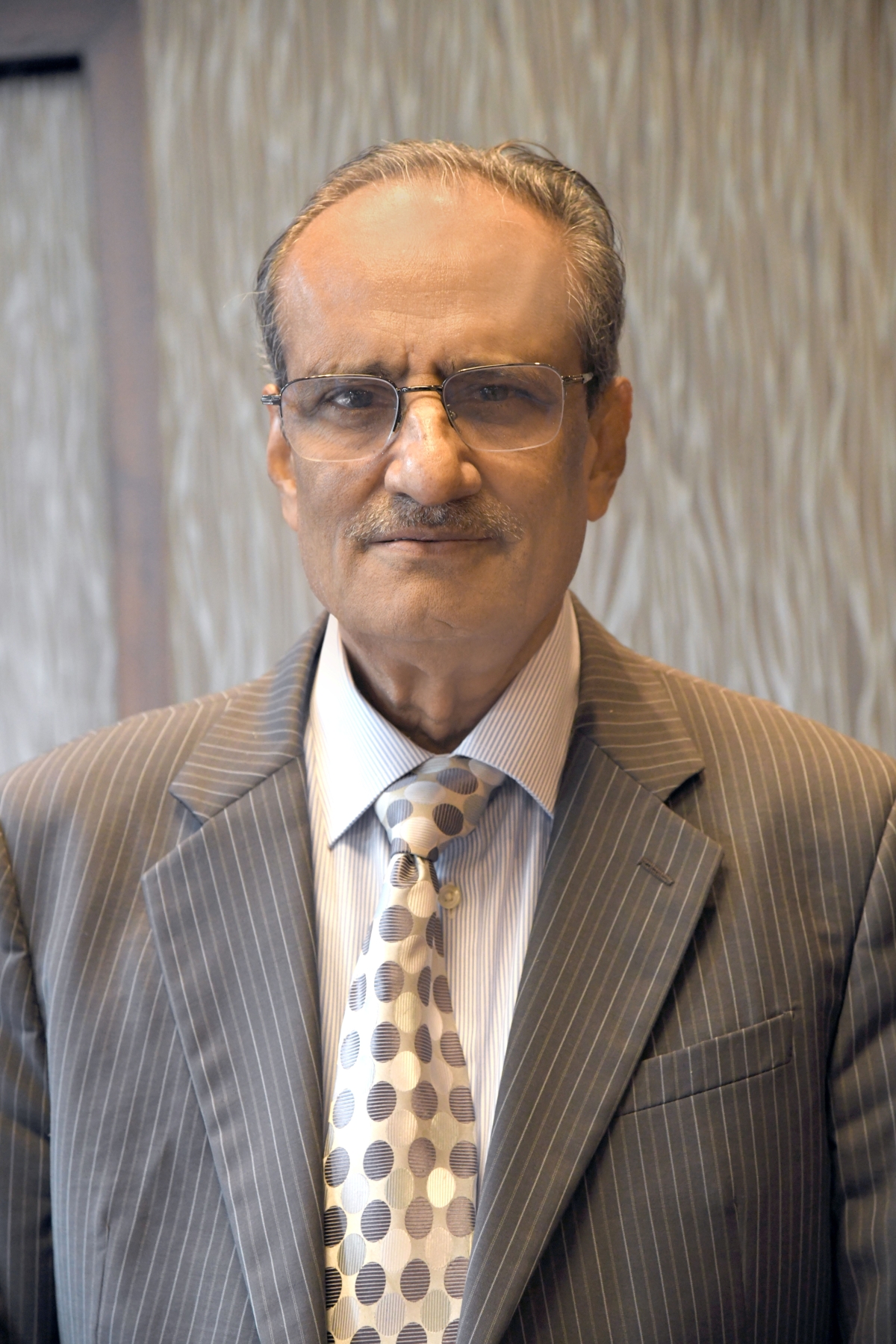
“Tourism is not just about travel—it is a national growth engine with one of the highest multiplier effects in the economy. Rationalising GST is essential for making India globally competitive, affordable for travellers, and attractive for investors. With supportive policy measures, Indian tourism can double its contribution to GDP, create millions of jobs, and play a pivotal role in achieving the Government’s Vision 2047 of a developed India,” said K. Syama Raju, President, FHRAI.
FHRAI is also preparing for its 55th Annual Convention – “FutureScape 2047: Redefining Hospitality for a New Era”, scheduled in Bengaluru from 18–20 September 2025, where GST reforms are expected to be a key discussion point.

With the GST Council in session today, the hospitality sector hopes its five key demands—notably lower GST, ITC recognition, and revision of tariff thresholds—will receive attention as part of the broader push to strengthen tourism.















Leave a comment