

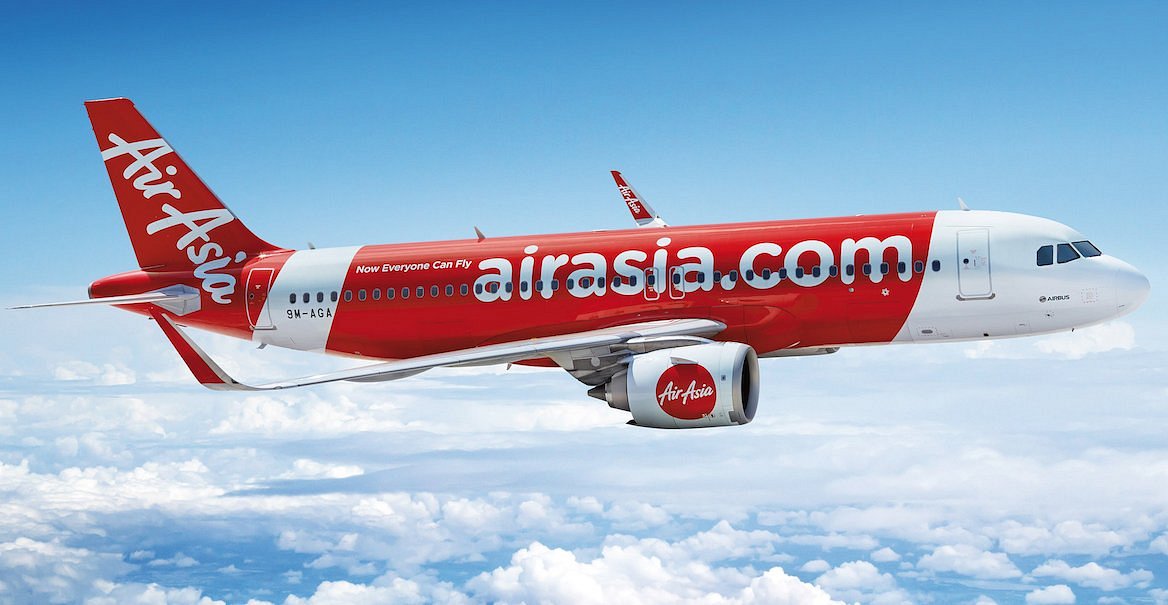
AirAsia X Reports Unaudited Financial Results for Q3 2025

AirAsia X Berhad has released its unaudited financial results for the third quarter ending on September 30, 2025 (“3Q25”). The company reported a turnover of RM803.5 million in 3Q25, which is slightly higher than the RM795.0 million recorded during the same period last year (“3Q24”). This increase was supported by a stable fare environment and higher ancillary income. The Passenger Load Factor (PLF) for the quarter was 82%, compared to 84% in 3Q24.
As part of a company-wide network strategy aimed at prioritizing longer-haul widebody operations, selected shorter and medium-haul routes—including Bangkok, Hong Kong, Amritsar, and Perth—have been redeployed to a sister airline that operates narrowbody aircraft. As a result of this adjustment, passenger volume decreased by 5%. However, available seat kilometres (ASK) increased by 9% year-on-year due to an increase in average stage length and improved daily aircraft utilization, which reached 16 hours. Revenue passenger kilometers (RPK) grew by 7% year-on-year to 4.57 billion, reflecting a consistent passenger load factor (PLF) on routes in China and Japan. The average base fare rose by 5% year-on-year to RM466 in the third quarter of 2025, as demand began to build ahead of the peak travel season.
Ancillary income continued to contribute meaningfully, increasing 5% year-on-year to RM280.6 million. Ancillary revenue per passenger rose 11% year-on-year to RM273, with duty-free sales showing improvement from last year.
Net operating profit for 3Q25 was RM12.0 million, compared with RM3.0 million in 3Q24, supported by favourable fuel costs and a stronger local currency. Cost per ASK (“CASK”) declined 9% year-on-year to 12.68 sen, while CASK ex-fuel increased 2% to 6.72 sen. Profit after tax was RM27.8 million, compared with RM121.6 million in 3Q24, which had included significant net foreign exchange gains.
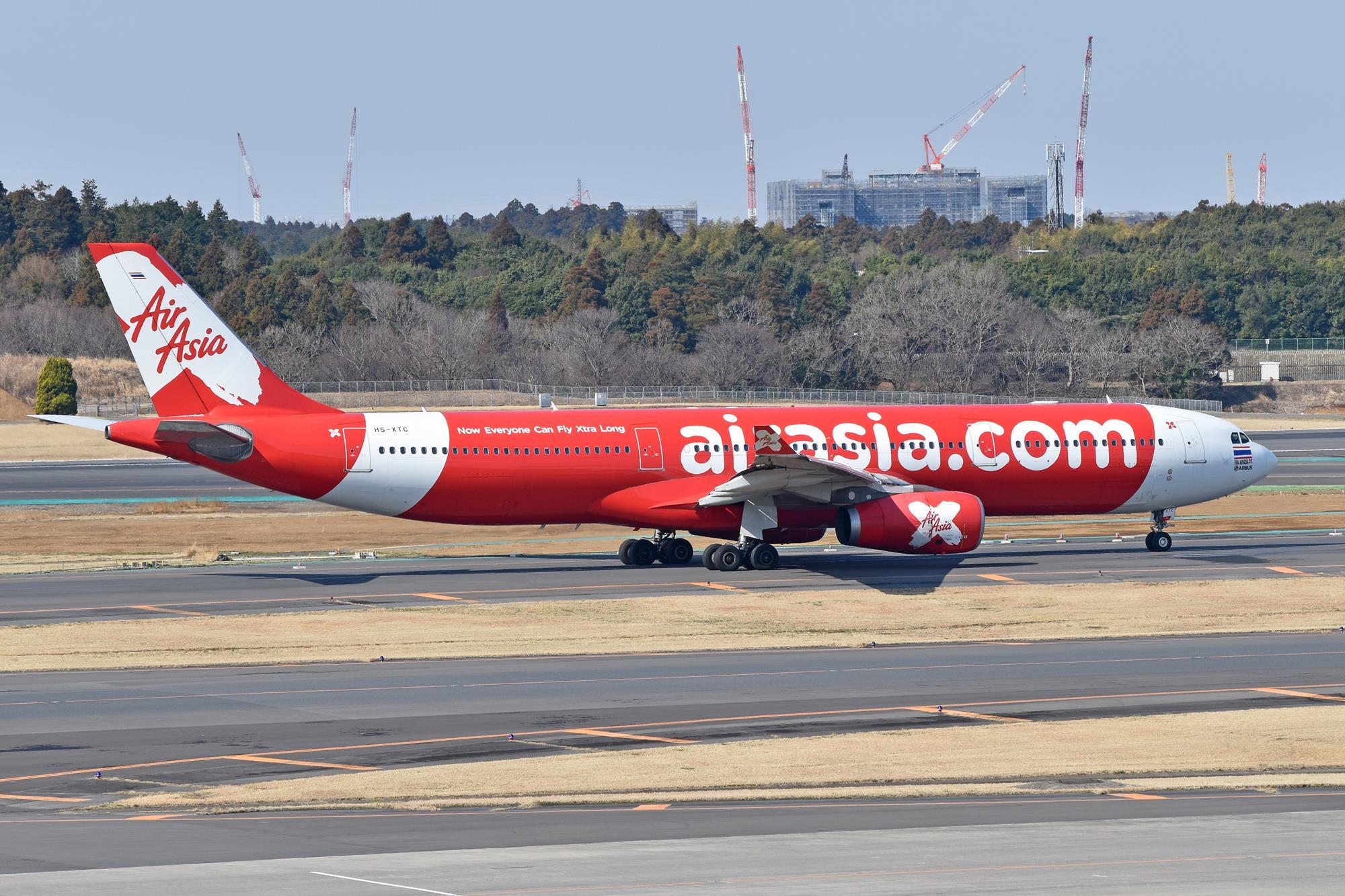
AirAsia X Thailand (“TAAX”), the Company’s associate, recorded revenue of RM235.4 million, a 22% year-on-year decrease due to seasonal travel patterns and a gradual market recovery amid softer tourism sentiment. Passenger traffic declined 7% year-on-year to 319,129 passengers, while seat capacity remained at 429,502 seats. PLF for the quarter was 74%. TAAX posted a net loss of RM128.4 million and is preparing for year-end travel demand, including the planned launch of three destinations in the fourth quarter: Sendai (Japan), Almaty (Kazakhstan) and Riyadh (Saudi Arabia).
As of 30 September 2025, AirAsia X operated a fleet of 19 A330 aircraft, of which 18 were active and operational. TAAX operated a fleet of 9 A330 aircraft.

AirAsia X CEO Benyamin Ismail said the quarter’s performance reflected steady demand across key markets and ongoing network optimisation efforts. He noted that the Company’s final aircraft reactivation has been deferred to next year due to maintenance backlogs and engine induction delays, with reactivation targeted for early 2026. The Company expects to take delivery of four new A321LR aircraft next year.
He added that recovery in China continued to gain momentum, supported by encouraging PLF and improving margins. New services to Tashkent, Uzbekistan and Istanbul, Türkiye commenced in October and November, enhancing the Fly-Thru network, which currently contributes around 20% of total passenger traffic and connects more than 140 destinations across the wider AirAsia network.
Ancillary revenue continued to support margins through product personalisation, value-bundling initiatives, and stronger duty-free performance. Cost discipline remains a focus as the Company prepares for the final quarter of the year, supported by a firmer Malaysian Ringgit.
He also noted that on 29 October 2025, all conditions precedent for the proposed acquisitions of AirAsia Aviation Group Limited and AirAsia Berhad were fulfilled, setting the stage for the formation of an enlarged aviation group. The integration of medium- and short-haul operations aims to support the development of a low-cost network carrier model and strengthen Asean’s position as an emerging aviation hub, delivering expanded connectivity and economic value across the region.
















Leave a comment