

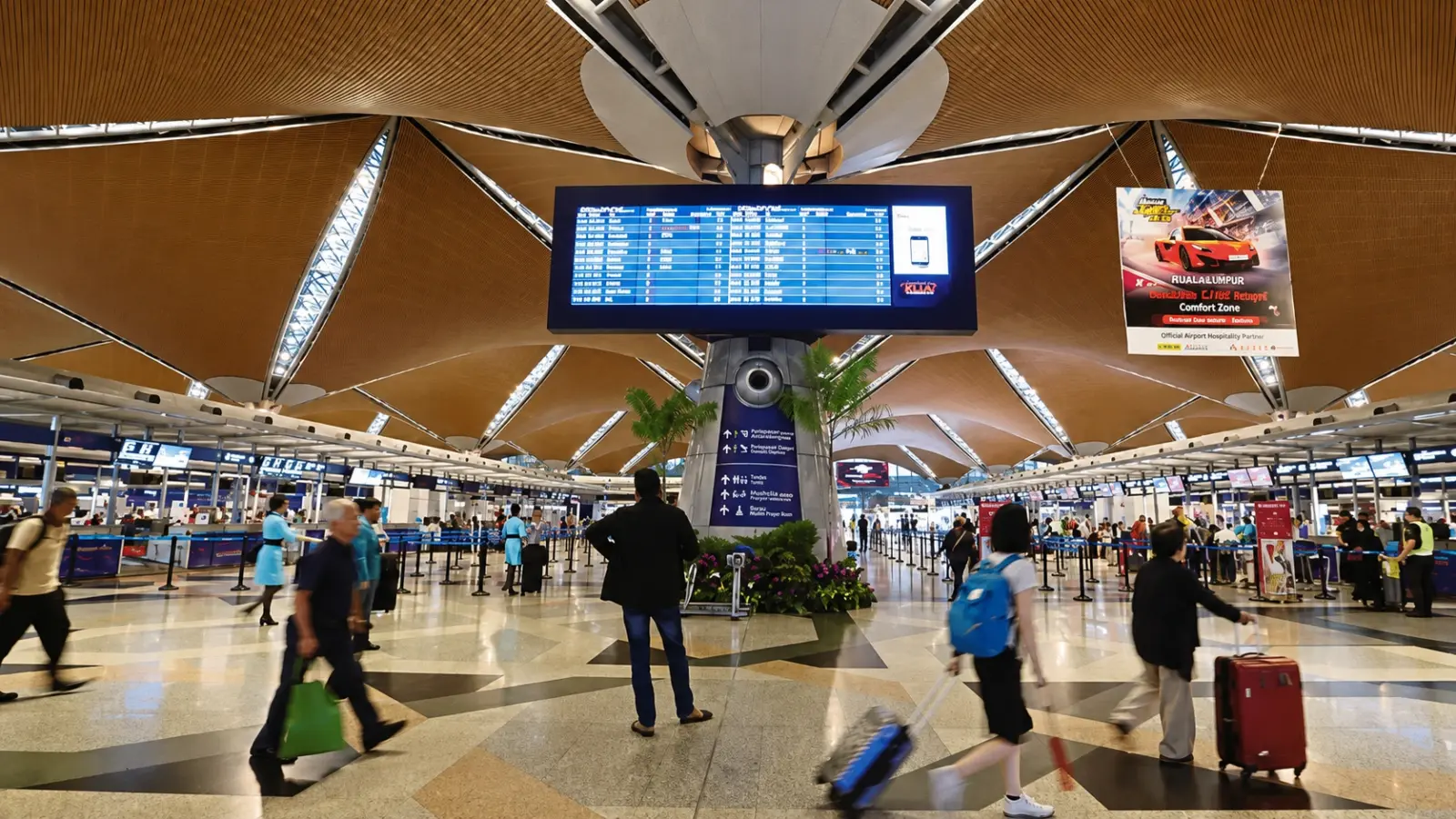
Malaysia Airports Advances Airport Transformation
Malaysia Airports Strengthens Service, Growth and Capacity
Malaysia Airports has reported significant progress in transforming its nationwide airport network, with initiatives focused on improving passenger services, expanding connectivity and upgrading airport infrastructure across Malaysia.
Following its privatization in March 2025, the airport operator introduced a series of organization-wide reforms aimed at strengthening governance, improving project delivery and enhancing operational capabilities. The transformation is built around three key priorities: Service, Growth and Capacity.
Service Improvements Across the Airport Network
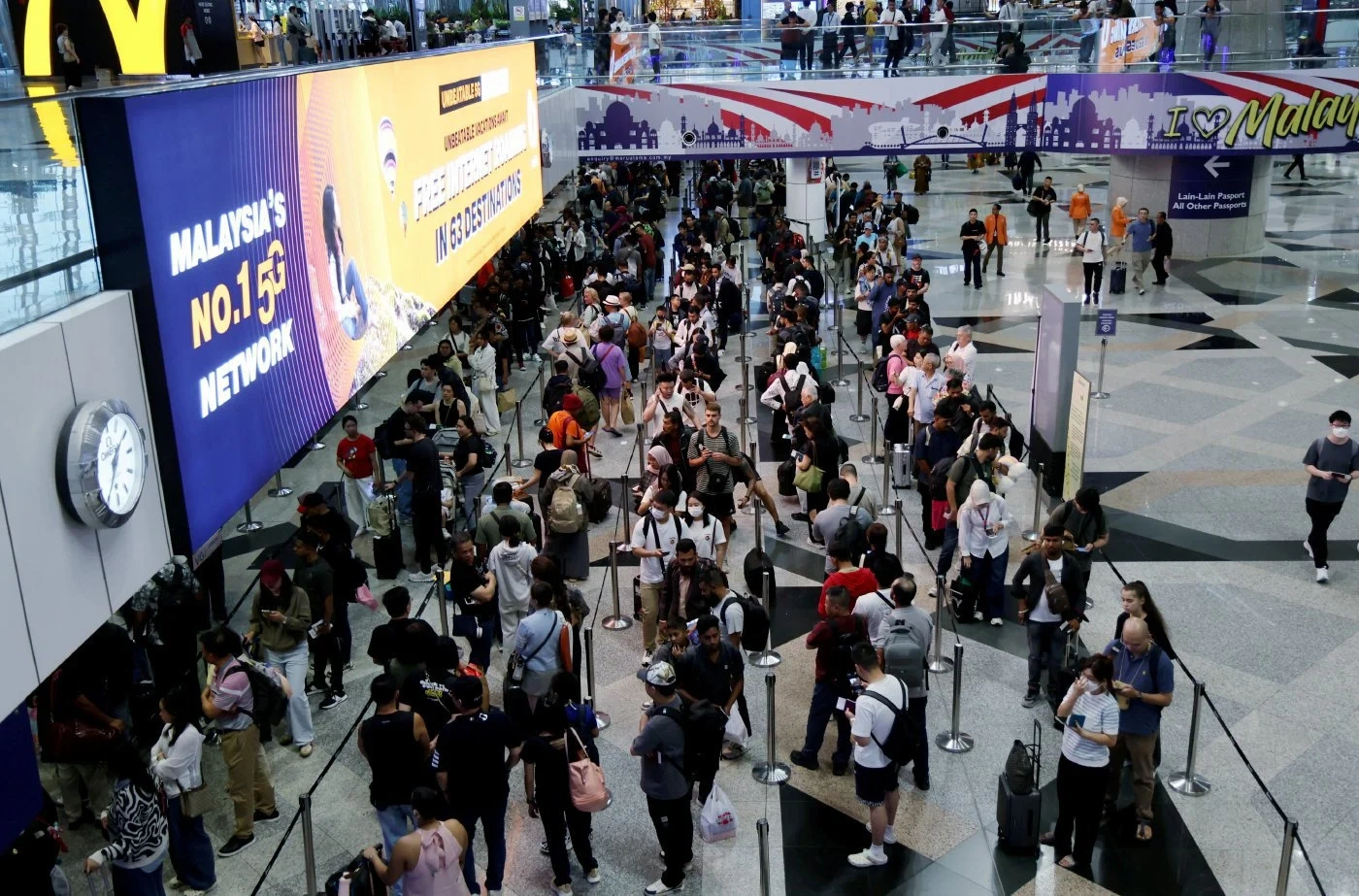
Malaysia Airports has introduced several measures to improve the passenger experience across its airports.
At Kuala Lumpur International Airport (KLIA), the Aerotrain has resumed round-the-clock operations following the completion of its improvement programme. The Vehicle Access Management System (VAMS) has also improved traffic flow at terminal drop-off areas, while security screening upgrades at KLIA Terminal 2 have increased passenger processing capacity.
Additional passenger enhancements include improved immigration coordination, the introduction of a Green Lane for arriving passengers at KLIA Terminal 1, upgraded check-in areas, refurbished washrooms, enhanced flight information displays, improved seating and clearer wayfinding at airports including Penang, Kota Kinabalu, Kuching, Subang, Miri, Labuan, Lahad Datu, Alor Setar, Kuantan and Kota Bharu.
Malaysia Airports has also introduced new passenger attractions, such as the Rimba forest walk and Heritage Lanes at KLIA, as well as themed children’s play areas at KLIA and Langkawi.
Expanding International Connectivity
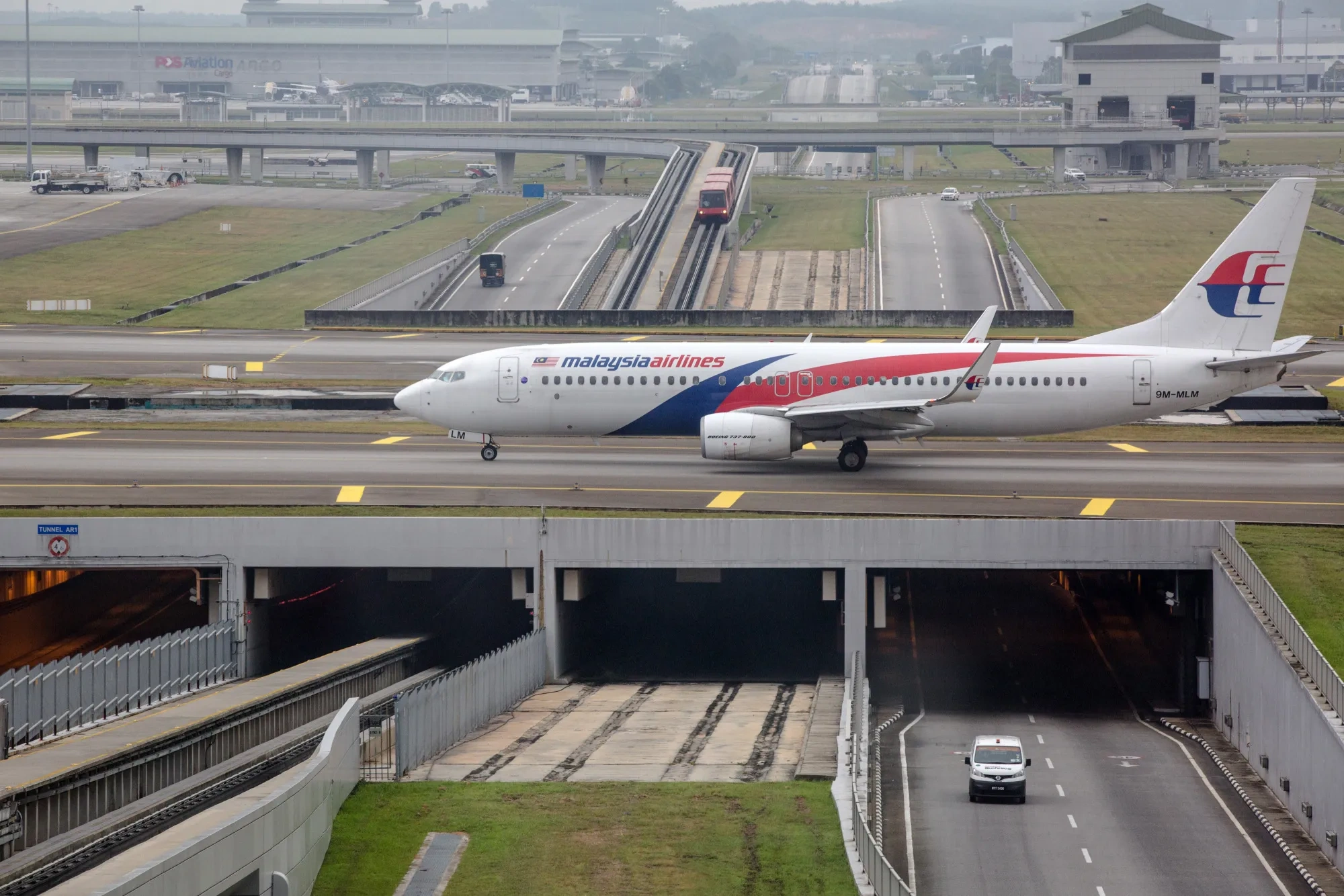
The company has continued to strengthen Malaysia’s international aviation network by attracting new airlines and expanding direct services.
During 2025, KLIA handled 63.4 million passengers, representing an 11 per cent increase compared with the previous year. The airport network added 15 new airlines and 40 new routes during 2025, followed by eight additional airlines and 23 new services in the first half of 2026.
New international connections now link Malaysia with destinations including Shanghai, Jinan, Hong Kong and Algiers. Regional airports have also expanded their international networks, with Penang, Kota Kinabalu, Kota Bharu and Ipoh adding new overseas services.
Upcoming services by Lufthansa and British Airways are expected to further strengthen KLIA’s international connectivity.
Investing in Airport Capacity
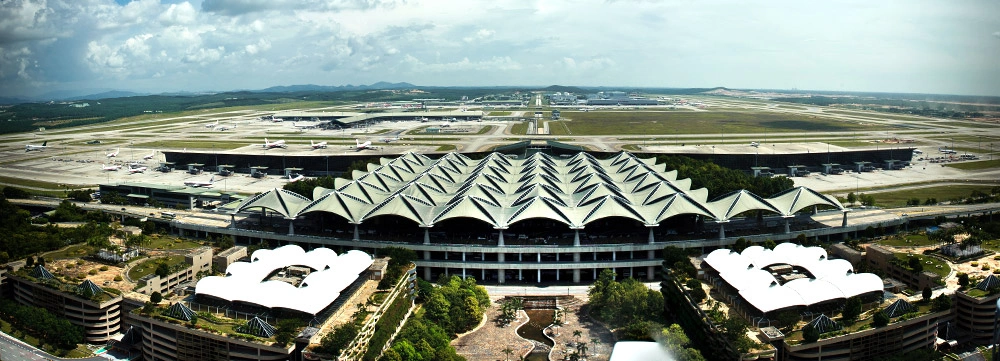
Malaysia Airports recently announced a RM11.5 billion capital expenditure programme over the next five years to support airport expansion and infrastructure upgrades across its network.
The expansion of Ipoh Airport was completed in April 2025, increasing annual capacity from 500,000 to 700,000 passengers. Kota Bharu Airport has also completed its redevelopment and now accommodates up to four million passengers annually.
Major expansion works continue at Penang International Airport and Kota Kinabalu International Airport, while additional upgrade projects are underway at Tawau, Miri, Sandakan and Lahad Datu.
The investment programme also includes the modernisation of critical airport systems, such as a major baggage handling system upgrade at KLIA, as well as new passenger boarding bridges and escalators at several regional airports.
Continuing the Transformation

Malaysia Airports Managing Director Dato’ Mohd Izani Ghani, whose tenure has recently been extended by two years, said the company remains focused on improving services across all 38 airports under its Malaysian operations.
He added that strengthening governance, project execution and operational capabilities will continue to support long-term improvements for passengers, airline partners and the country’s aviation sector.
The transformation programme reflects Malaysia Airports’ continued investment in improving airport infrastructure, operational efficiency and passenger experience while supporting the long-term growth of Malaysia’s aviation industry.
For more travel and tourism content, follow Safari India.















Leave a comment