

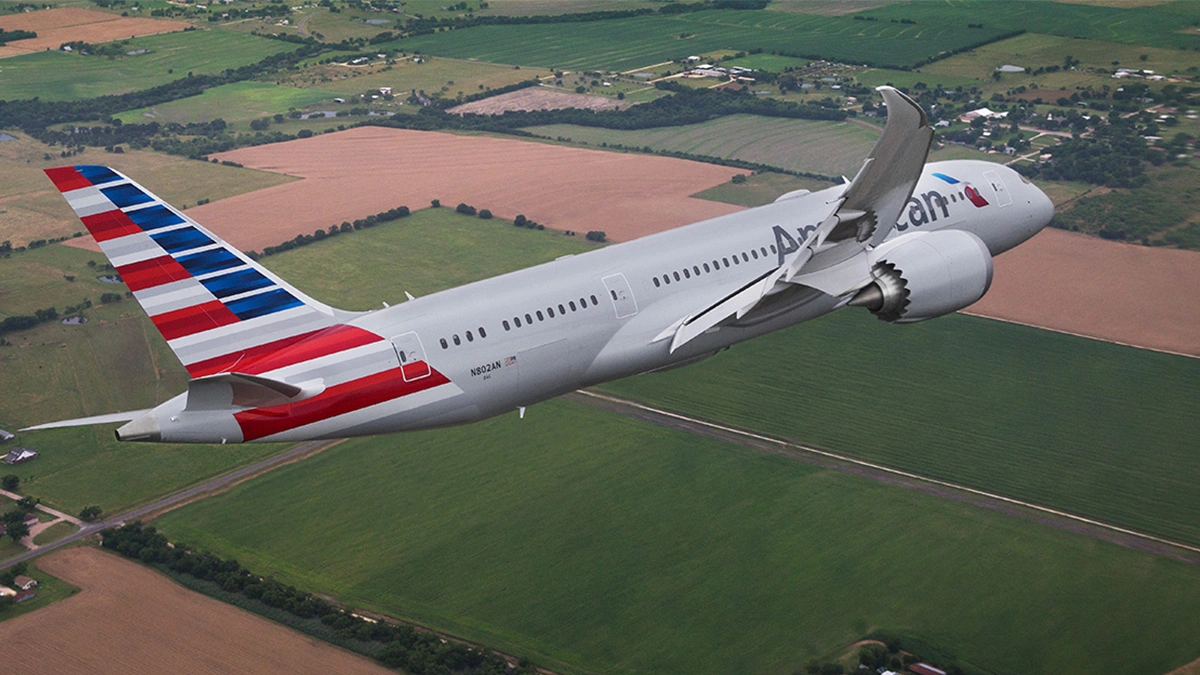
American Airlines and Google Sign Sustainable Aviation Fuel Agreement

Sustainable Aviation Fuel Agreement Supports Emissions Reduction Goals
American Airlines and Google have announced a new sustainable aviation fuel certificate (SAFc) agreement that will support the deployment of 35 million gallons (132 million litres) of sustainable aviation fuel (SAF) over the next three years.
The agreement is expected to contribute to emissions reductions of nearly 300,000 metric tonnes of carbon dioxide equivalent (CO2e) and represents a significant collaboration between the aviation and technology sectors to support lower-emission business travel.

Under the arrangement, American Airlines will purchase and take delivery of SAF at Chicago O’Hare International Airport through existing fuel infrastructure. The fuel will be produced using waste-based feedstocks, including used cooking oil.
Google will receive the associated environmental benefits through the SAFc Registry, a system that provides transparent, traceable accounting of sustainable aviation fuel certificates. The agreement allows Google to address emissions associated with employee business travel while supporting the growth of the SAF market.
According to American Airlines, the long-term commitment has enabled the carrier to secure a corresponding sustainable aviation fuel supply agreement with Valero Marketing and Supply Company.

Jill Blickstein, Chief Sustainability Officer at American Airlines, said the collaboration with Google supports efforts to expand demand for sustainable aviation fuel and encourage further development of the market.

Kate Brandt, Chief Sustainability Officer at Google, said the agreement demonstrates how companies can work together to support the adoption of sustainability-focused technologies and encourage investment in SAF production.
The agreement has also been supported by Illinois’ sustainable aviation fuel tax credit programme, introduced by Governor JB Pritzker and the Illinois General Assembly. The initiative is intended to encourage greater SAF adoption and investment within the state.
Sustainable Aviation Fuel and Aviation Decarbonization
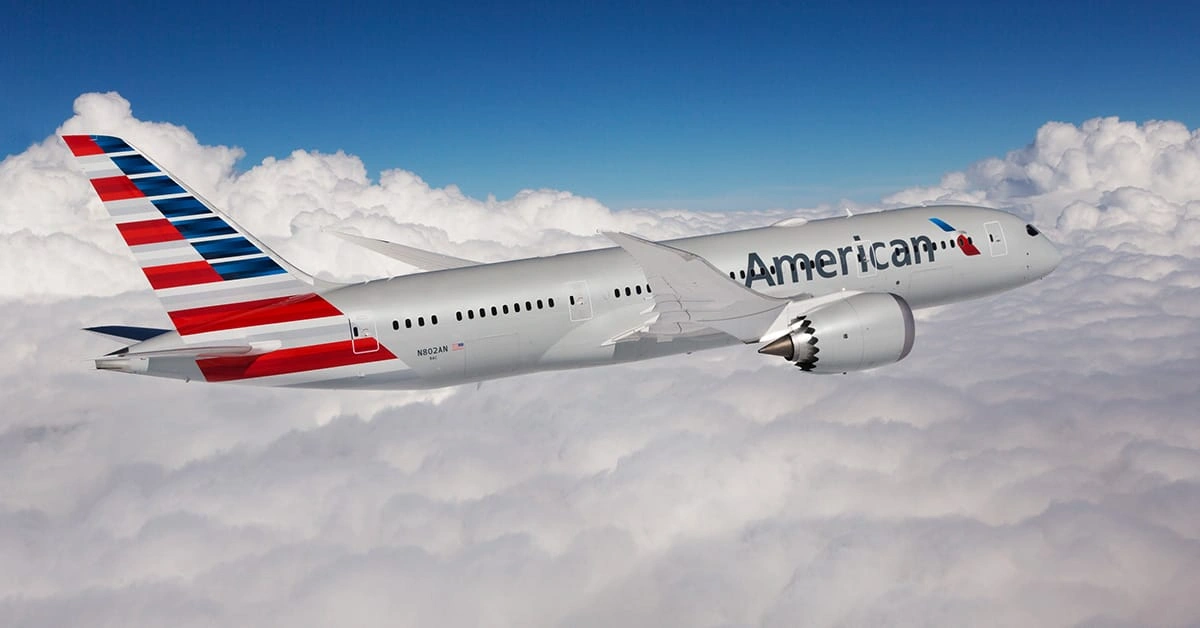
Sustainable aviation fuel is considered one of the key tools available to help reduce emissions from the aviation sector. Produced from renewable and waste-based feedstocks, SAF can be used alongside conventional jet fuel within existing aircraft and airport infrastructure.
Feedstocks commonly include used cooking oil, agricultural waste and other renewable materials. Emerging production methods also include the use of captured carbon dioxide and renewable electricity.
The aviation sector currently contributes approximately two to three per cent of global carbon dioxide emissions. As airlines, fuel producers and governments work towards lower-emission operations, SAF is expected to play an increasingly important role in supporting industry decarbonisation efforts.
Additional Sustainability Collaboration
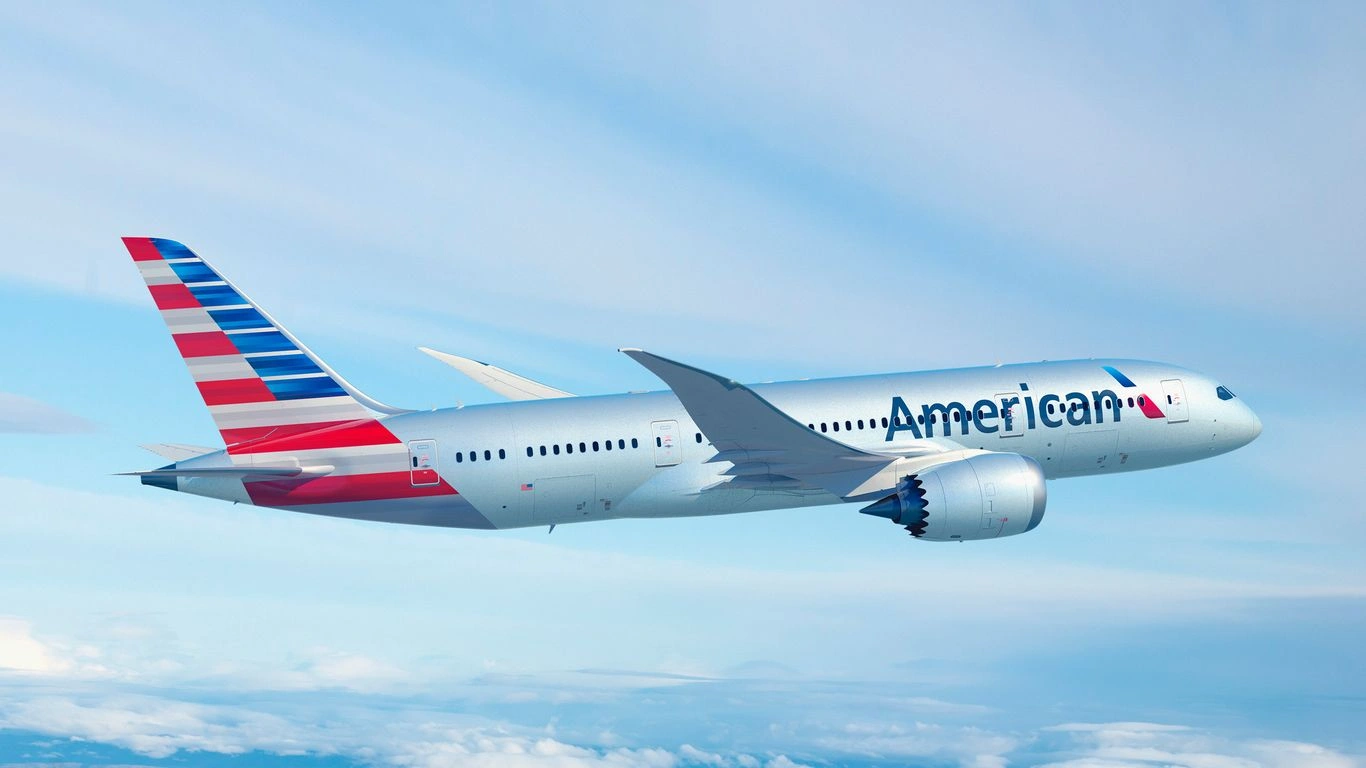
Alongside its SAF initiatives, American Airlines has also collaborated with Google, Contrails.org and Flightkeys on a 16-week operational trial focused on reducing contrail formation.
The project integrated contrail avoidance into flight planning processes, resulting in a measured reduction in contrail formation and associated warming effects, supporting ongoing efforts to minimise aviation’s environmental impact.
The agreement between American Airlines and Google highlights growing collaboration between airlines and corporate partners seeking practical approaches to reducing travel-related emissions while supporting the development of sustainable aviation technologies.
For more travel and tourism content, follow Safari India.















Leave a comment