

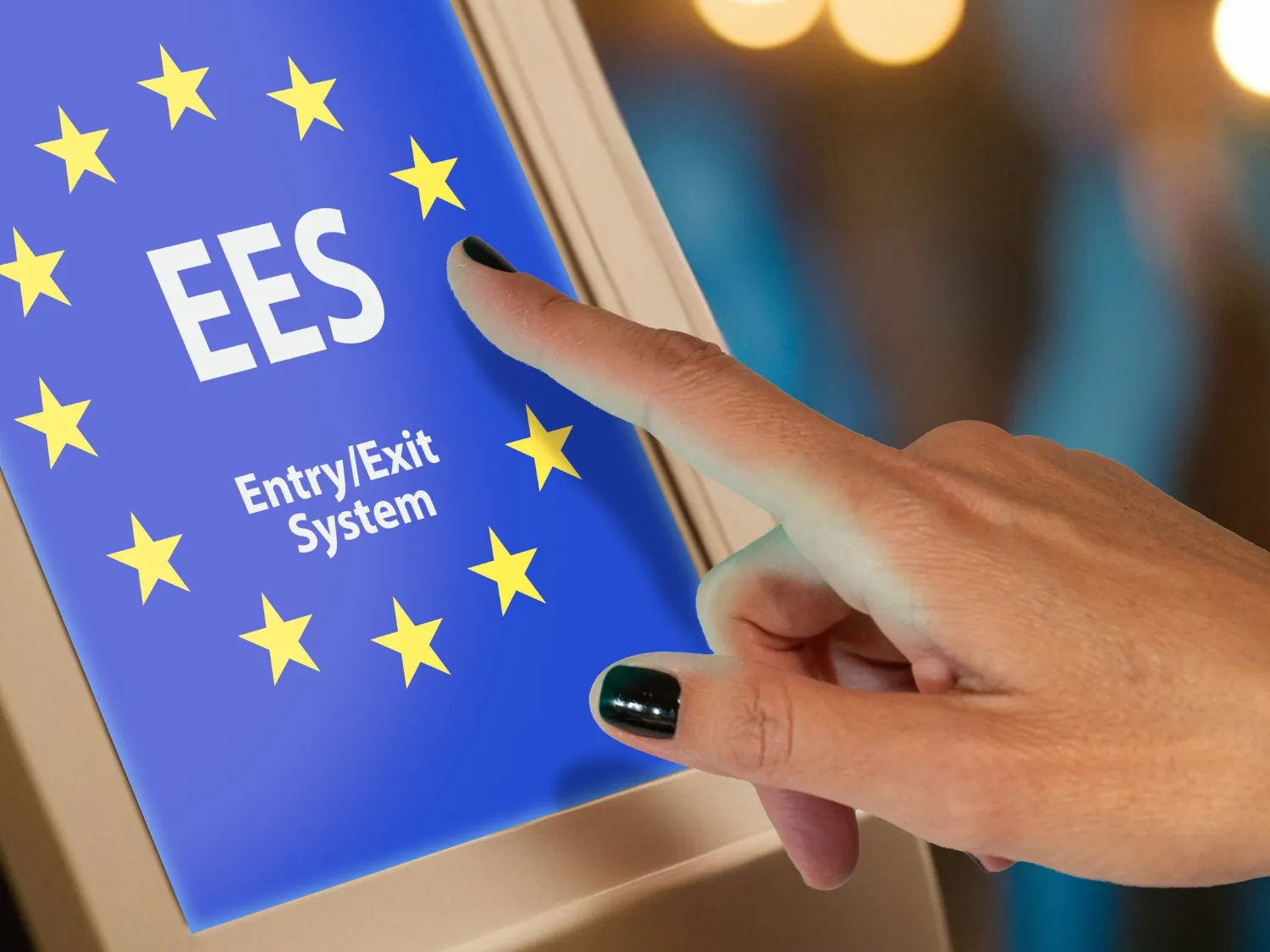
EES Border Delays Could Put 41 Million European Visitor Arrivals at Risk, WTTC Warns
WTTC Says EES Border Delays Could Affect European Tourism Demand
New research commissioned by the World Travel & Tourism Council (WTTC) suggests that extended border waiting times linked to the introduction of Europe’s Entry/Exit System (EES) could affect visitor arrivals and tourism spending across the Schengen Area.
The study, based on a survey of more than 2,500 travellers from the United Kingdom, United States, Canada and Australia, found that regular border delays of three to four hours could discourage a significant number of visitors from travelling to Europe.
According to WTTC’s analysis, up to 41 million visitor arrivals and approximately $45.4 billion in visitor spending could be at risk in 2026 if lengthy border queues become a recurring part of the travel experience.
The research comes as European countries prepare to implement the EES, a new digital border management system designed to strengthen security and modernise entry procedures for non-EU travellers entering the Schengen Area.
The findings indicate that while travellers generally support enhanced border controls and biometric verification, their willingness to visit Europe declines when faced with long, unpredictable waiting times.
Among those surveyed, 39% of travellers from the United Kingdom said they would be much less likely to travel if delays regularly exceeded three hours. Similar concerns were expressed by 33% of respondents in both the United States and Canada, while 27% of Australian travellers reported being less inclined to visit.

WTTC President and CEO Gloria Guevara said the EES represents an important step towards modernising Europe’s border processes and improving security. She noted that effective implementation, clear communication and operational readiness will be essential to minimise disruption for travellers.
The study also found that awareness of the new system remains limited. More than half of respondents said they had little or no knowledge of EES, while nearly half were unsure about the requirements they would need to meet when travelling to or from the Schengen Area.
WTTC has urged European authorities to focus on three key areas: wider adoption of digital pre-registration tools, stronger communication campaigns in major source markets, and ensuring border crossing points are fully prepared with adequate staffing and functioning equipment.

Despite concerns about potential delays, support for the system remains relatively strong. Around 65% of respondents said they supported EES after learning more about it, while most travellers indicated they would accept some short-term disruption if it led to a smoother border experience in the future.
The report suggests that effective planning and coordination among governments, border authorities, and the travel sector will be critical to ensuring that the transition to the new system does not undermine visitor confidence or travel demand.
For more travel and tourism content, follow Safari India.















Leave a comment