


Airbus Advances Aircraft Connectivity with Open Digital Platform
Aircraft Connectivity Evolves with Flexible Systems and Multi-Orbit Satellite Networks
Passenger expectations for in-flight connectivity continue to align with the on-the-ground experience, while airlines require consistent access to operational data and performance insights. In response, Airbus is progressing its Connected Aircraft approach, moving from closed systems towards more open and adaptable digital architectures.
By integrating hardware, software and satellite networks, Airbus aims to enable end-to-end connectivity across aircraft systems. This allows airlines to use digital tools to support onboard services while improving operational processes.
Addressing Connectivity Constraints
Historically, upgrading aircraft connectivity required significant downtime due to structural modifications. Each satellite antenna installation was typically customised for a specific service provider, limiting flexibility and increasing costs. This also made it difficult for airlines to adapt to changes in connectivity technology.
Introduction of a Flexible Connectivity System
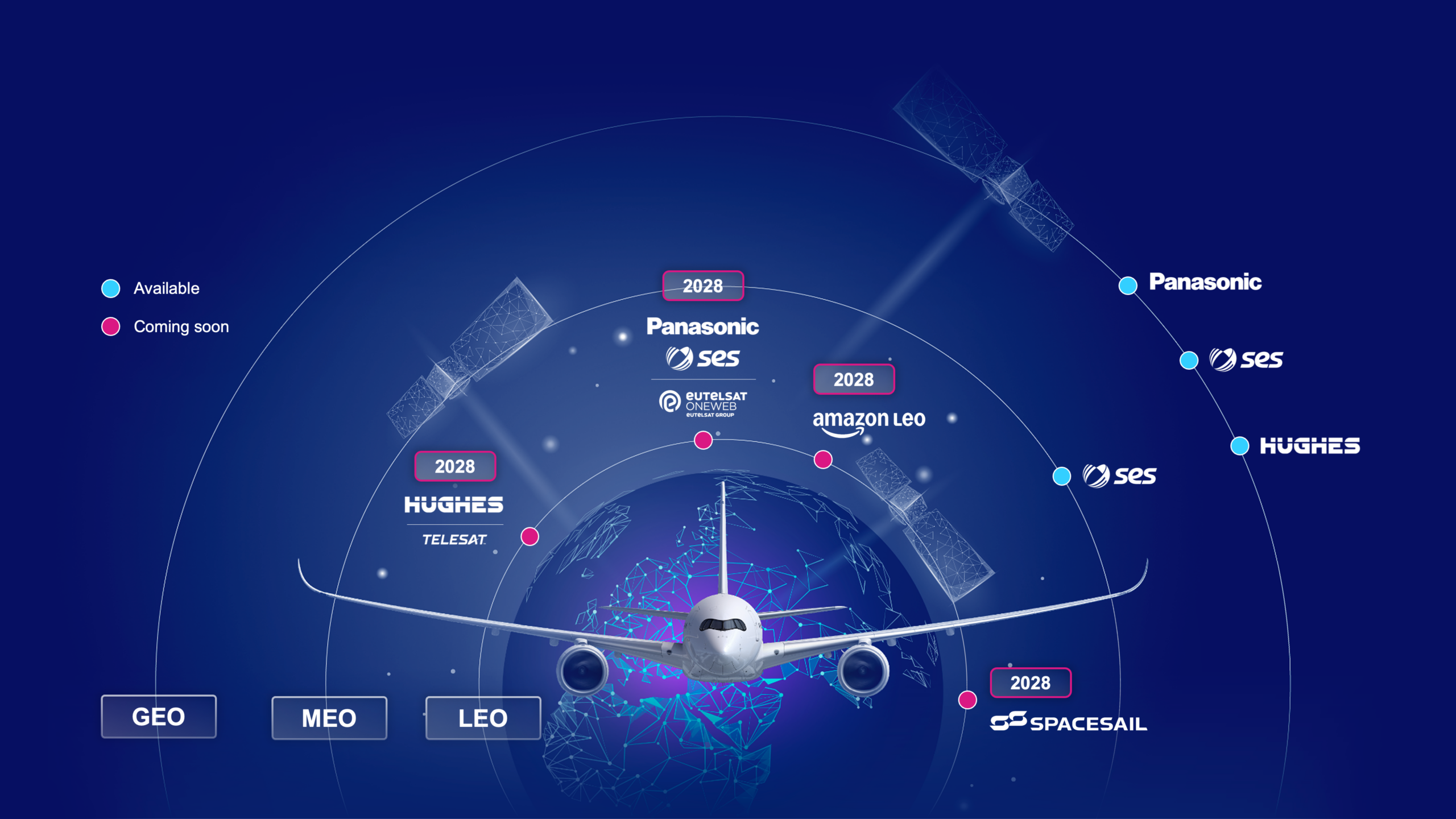
Airbus has introduced HBCplus, an installation designed to support multiple satellite communication providers. The system enables access across different orbital networks, including low, medium and geostationary orbits, removing dependency on a single provider.
The next phase of development includes a modular version of HBCplus, allowing aircraft to connect to multiple satellite constellations, such as Amazon LEO, OneWeb, Telesat, and SpaceSail. The modular design supports up to two antennas, enabling airlines to switch providers with minimal disruption.
Development of an Open Digital Platform
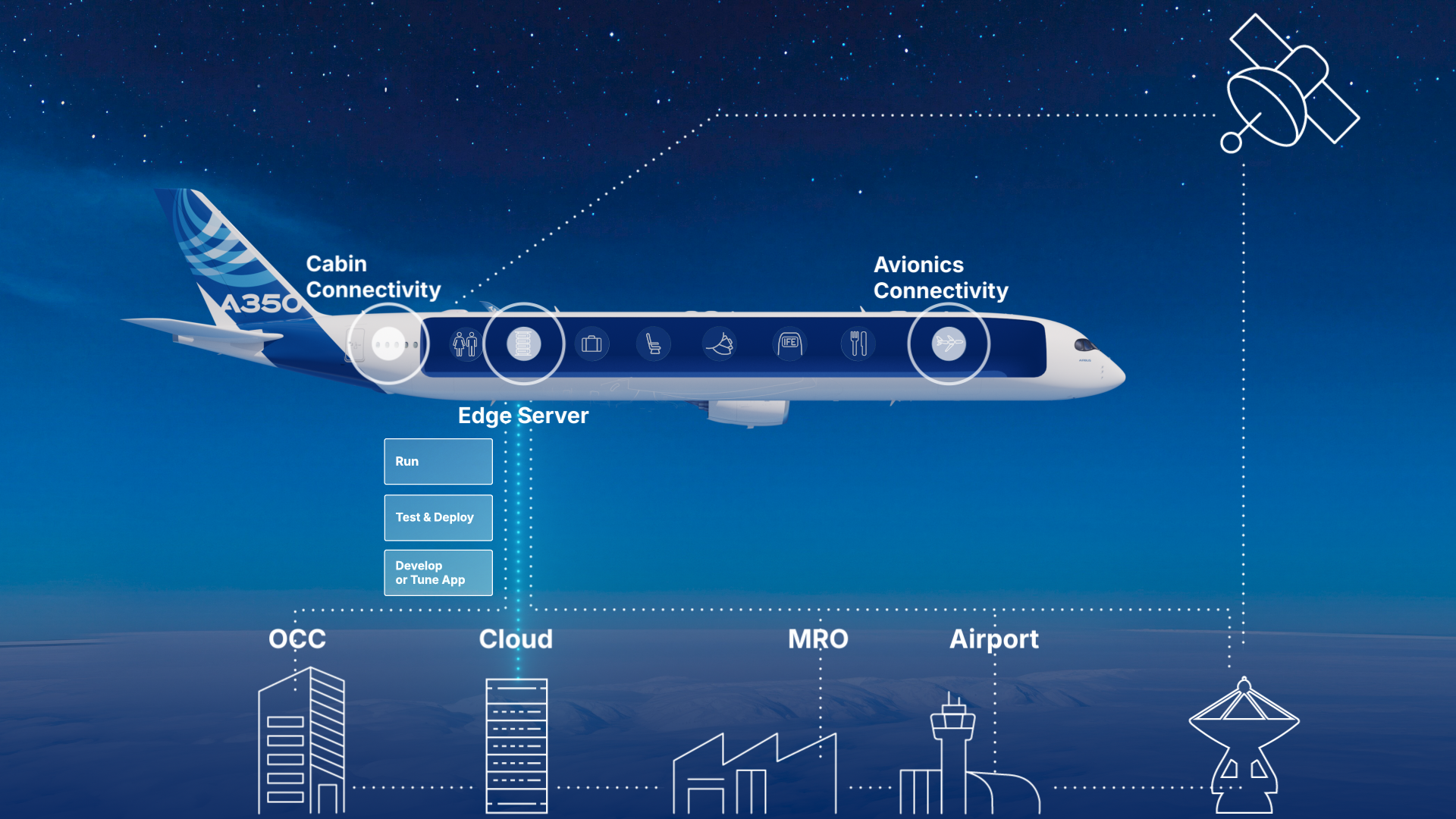
Airbus is also working on a scalable digital platform that integrates onboard and ground systems. The platform is designed to combine data from aircraft systems, sensors, and connected technologies such as artificial intelligence and IoT.
This setup allows airlines to manage data more effectively and to deploy applications, including existing tools such as Skywise and third-party solutions, as well as to develop their own digital services.
Multi-Orbit Satellite Connectivity

To maintain connectivity across different flight paths, Airbus uses a combination of satellite orbits:
- Low Earth Orbit (LEO): Positioned between 500 and 2,000 kilometres, offering low latency and broad coverage, including remote regions
- Medium Earth Orbit (MEO): Located around 8,000 kilometres, supporting high data throughput with moderate latency
- Geostationary Orbit (GEO): Positioned at approximately 36,000 kilometres, used to complement bandwidth requirements
Each orbit type supports different connectivity needs, allowing a balanced approach to speed, coverage and reliability.
Supporting Airline Operations and Passenger Experience

The next version of HBCplus, expected to enter service in 2028, will incorporate electronically steered antenna (ESA) technology. This will allow airlines to switch between service providers and satellite networks based on operational requirements.
The modular design enables system updates without requiring structural changes to the aircraft. Airlines can adjust their connectivity setup as new technologies or providers become available.
At the same time, the integrated digital platform enables airlines to use onboard data to improve operational planning and tailor services for passengers. This includes managing performance and supporting personalised onboard experiences.
Airbus’s approach reflects a shift towards more flexible and data-driven aircraft systems, supporting both airline operations and evolving passenger expectations.

















Leave a comment