

PATA Releases Report on Sustainable Tourism in Tropical Coastal Cities

The development of sustainable tourism in tropical coastal cities is influenced by four key pillars: effective resource management, balanced coexistence between locals and visitors, diversified economies and tourism offerings, and the consistent adoption of sustainable practices across the private sector.
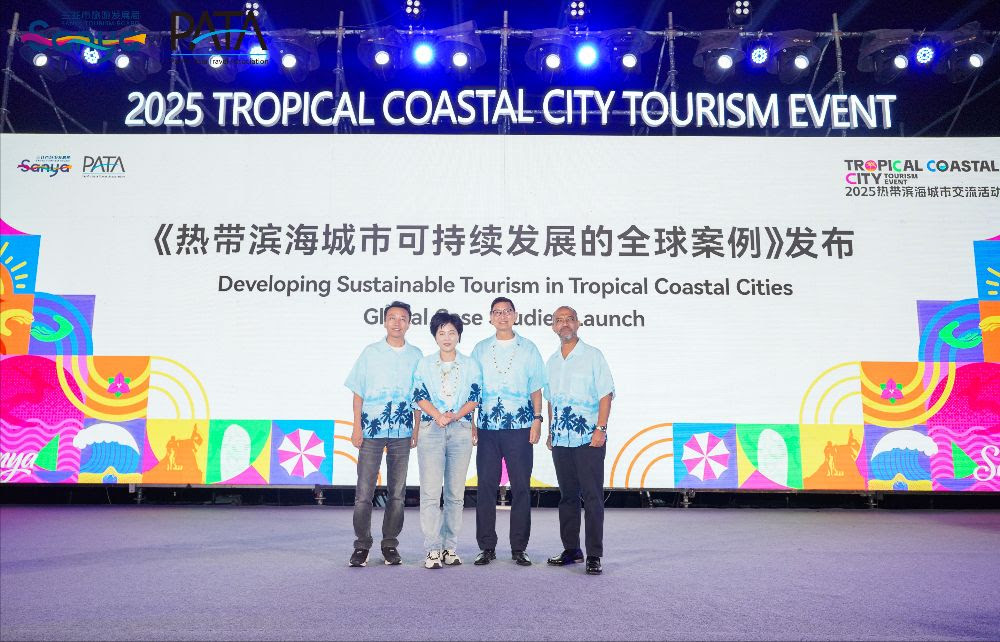
These themes are highlighted in Developing Sustainable Tourism in Tropical Coastal Cities: Global Case Studies, the latest publication from the Pacific Asia Travel Association (PATA), released on November 18. The report was launched during the 2025 Tropical Coastal City Tourism Event, a platform for knowledge exchange and collaboration among coastal destinations, organised by the Sanya Tourism Board with support from PATA.

“Coastal areas in tropical regions face significant risks from climate change,” said PATA CEO Noor Ahmad Hamid.
“According to the World Meteorological Organisation, sea-surface temperatures in the South-West Pacific reached new highs in 2024, with ocean heat content also nearing record levels. Other pressures — including irresponsible behaviour and high visitor numbers during peak periods — continue to strain fragile ecosystems.”
He added, “Given these challenges, PATA believes progress relies on shared knowledge and coordinated efforts. These ideas guided the development of this report. We are pleased to present our findings at the 2025 Tropical Coastal City Tourism Event to highlight the urgency of the situation and the role of collaboration.”
The report examines the challenges faced by tropical coastal cities and outlines approaches that support economic development, environmental protection, and socio-cultural sustainability across four core pillars. It also offers insights into cities that have integrated sustainable tourism practices into their operations.
Featured Case Studies
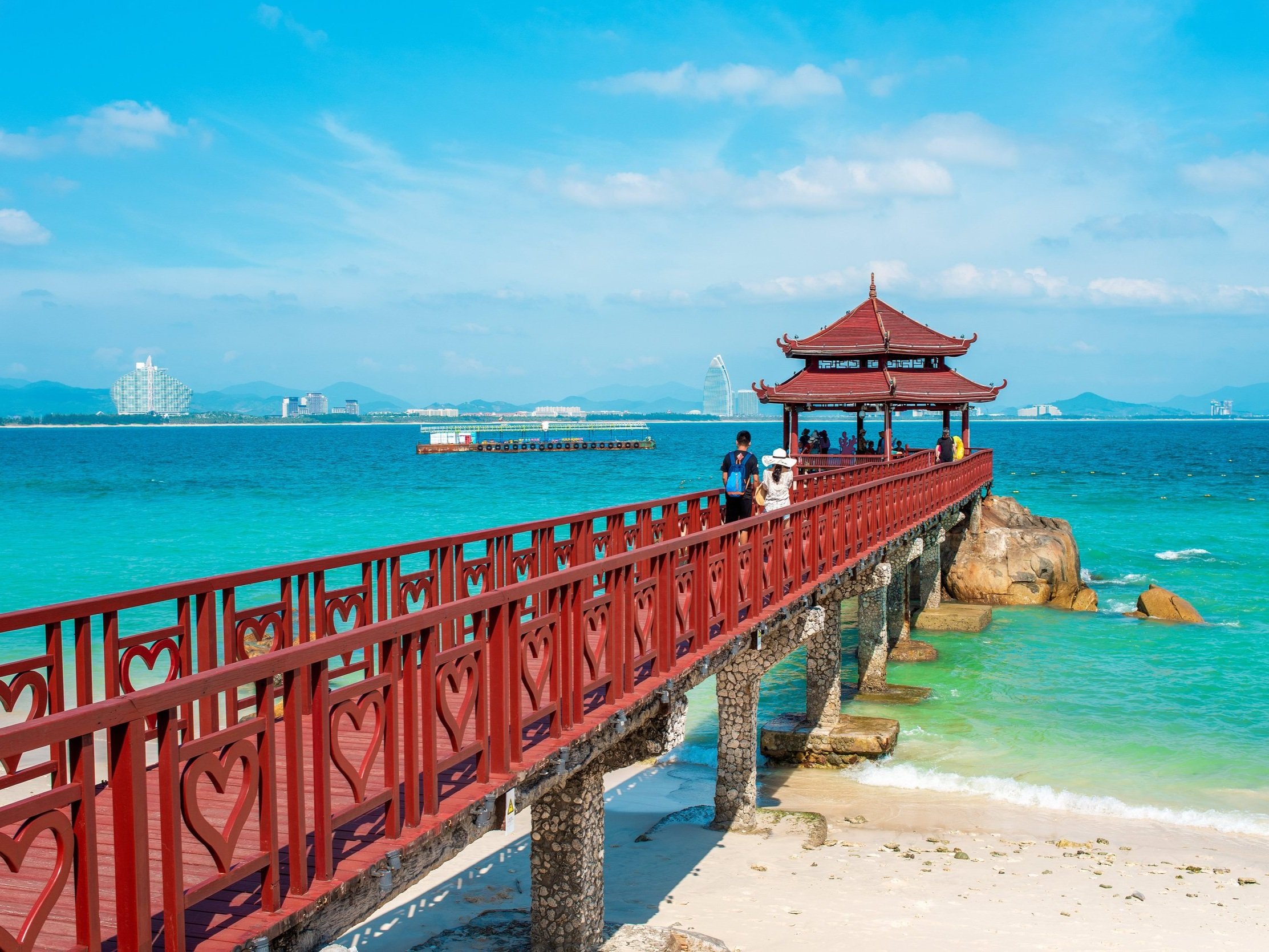
Sanya: Marine Environment Protection and Restoration
Wuzhizhou Island created Hainan’s first national-level marine ranch demonstration zone to support coral reef and fishery restoration. The island also operates a waste management system focused on reducing marine pollution.
Researchers have developed new technologies to restore coral reefs and improve reef ecosystems, contributing to the recovery of marine life. The island has been recognised for its environmental initiatives and serves as a base for coral reef restoration for the UN COP15 Youth Biodiversity Expedition in Hainan.
Thailand: Water Resources Management
Thailand has introduced a national database to distinguish water demand between the tourism sector and residential communities. Water reserves are allocated during high-demand periods in the peak tourism season.
The country is also promoting water conservation through awareness campaigns and has introduced higher utility rates to manage usage. Ecosystem restoration in designated zones supports water absorption and aims to reduce urban flooding under the Bio-Economy and Green Economy framework.
Indonesia: Energy Use, Waste Reduction, and Innovation
Desa Potato Head Resort, with 168 rooms, is working toward long-term resource efficiency and waste reduction. To support its Environmental Management Program, the resort collaborates with Eco Mantra, an eco-engineering consultancy, to improve footprint measurement, optimize resource use, and strengthen environmentally responsible practices.
The resort achieved a 97.5% recycling rate in 2023, is preparing to add solar power systems, and has introduced “Styroshell,” a technology that recycles styrofoam into amenities such as soap dispensers, tissue boxes, and bins.
Developing Sustainable Tourism in Tropical Coastal Cities: Global Case Studies is the 18th report released by PATA this year, joining the Association’s forecast publications, Annual Tourism Monitor series, and earlier 2025 releases such as the Halal Travel Trends Report and the Human Capital Development Report.
These publications support PATA’s goal of expanding access to timely research and insights on key industry topics, including climate change, regenerative and responsible tourism, and evolving trends shaping the future of travel.
















Leave a comment