

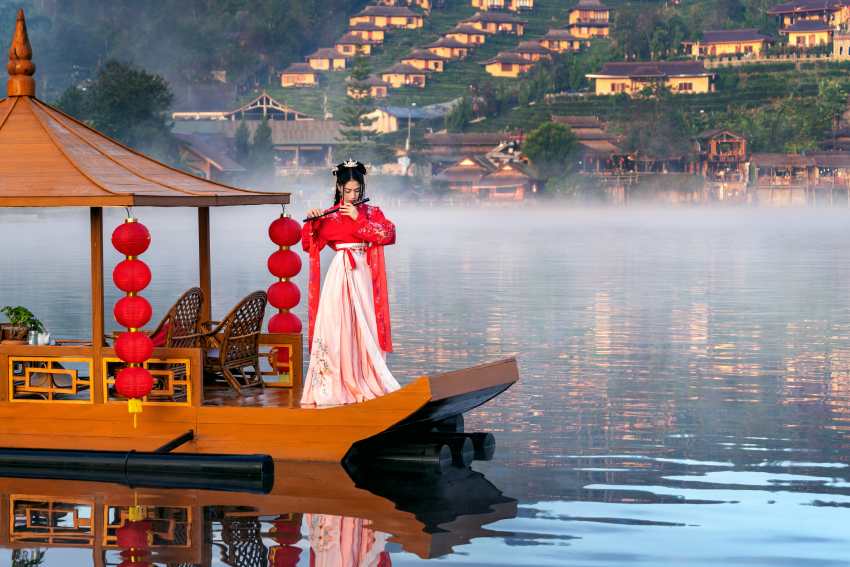
Guigang Hosts 15th Lotus Culture Festival, Showcasing Tradition, Eco-Tourism and Innovation
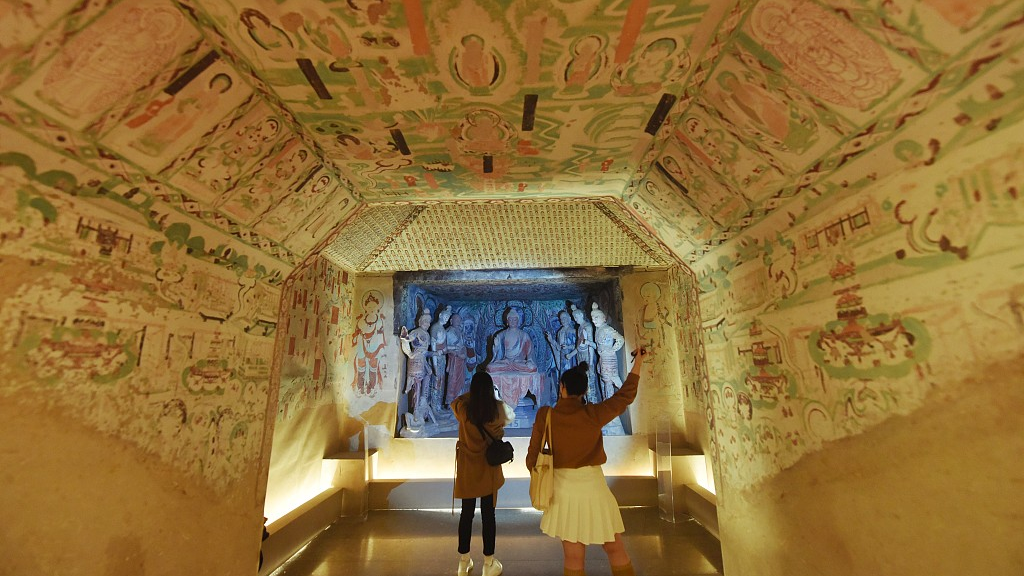
The 15th Lotus Culture Festival has opened in Guigang, Guangxi, highlighting the city’s efforts to connect cultural heritage with eco-tourism and modern technology. The annual event features theatrical performances, poetry contests, traditional music, and interactive exhibitions designed to reflect Guigang’s identity as a place where tradition and innovation coexist.
Over recent years, Guigang has developed as an eco-tourism destination within the Guangdong-Hong Kong-Macau Greater Bay Area and the ASEAN region. Recognized as a national forest tourism demonstration city, Guigang balances natural conservation with cultural engagement. With 52 national A-level scenic attractions, the town offers forest parks, rivers, historic landmarks, and cultural sites that attract millions of visitors each year.
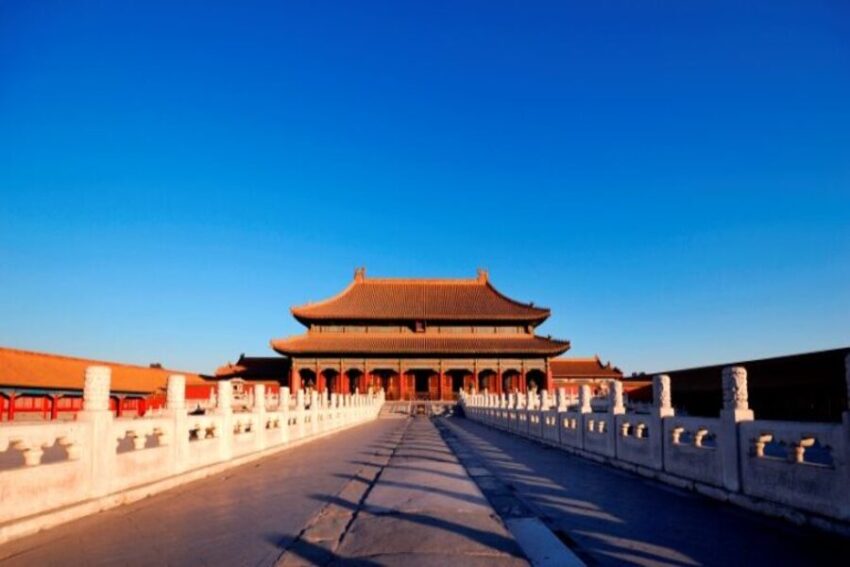
In the first half of 2025, Guigang received more than 32 million visitors, generating over 30 billion yuan in tourism revenue. Events such as the Guangxi division of the “Village Basketball Association” and the “Douyin Football Carnival” have further contributed to visitor growth by combining sports, entertainment, and tourism promotion.
The city continues to invest in cultural and tourism infrastructure while adopting new technologies to improve visitor experiences. Plans to introduce artificial intelligence (AI) for navigation, artistic interpretation, and event management reflect Guigang’s strategy to integrate technology into its tourism offering.

Cultural initiatives remain central to Guigang’s development. The Lotus Culture Festival, along with year-round cultural programming, supports artistic expression and community participation, while also drawing domestic and international visitors. By combining culture, sports, eco-tourism, and technology, Guigang seeks to strengthen its tourism economy and promote sustainable development.
Looking ahead, Guigang plans to expand its cultural and eco-tourism initiatives further, deepen its use of digital tools, and continue positioning itself as a regional hub where heritage and modernity work in tandem.











Leave a comment