

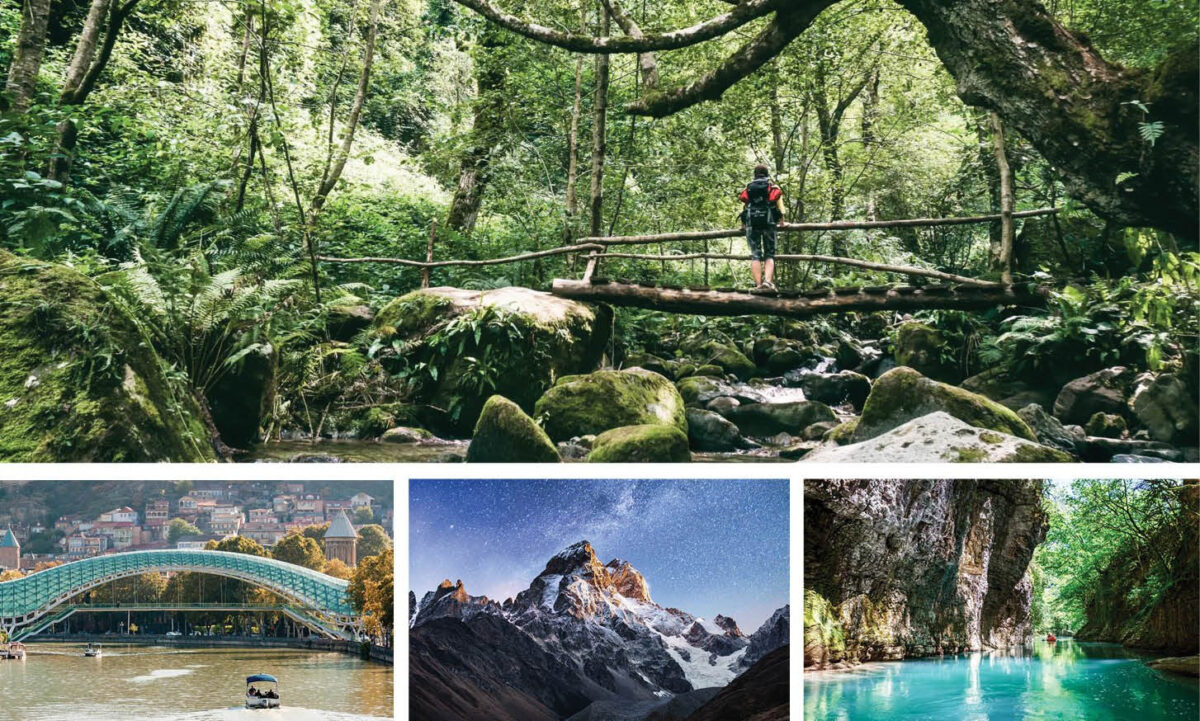
Georgia: A Destination for Outdoor and Adventure Travel
Georgia may be compact in size, covering approximately 70,000 square kilometres, but it offers a wide range of outdoor and adventure experiences shaped by its varied geography. Forested landscapes, mountain ranges, rivers, canyons, caves and a Black Sea coastline together make the country a diverse destination for travellers interested in nature-based and active travel.
Forests and Protected Landscapes
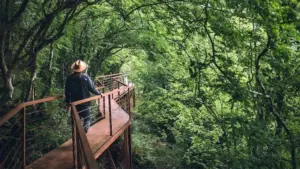
Much of Georgia is mountainous and heavily forested, with a network of protected areas that includes state reserves, national parks, restricted zones and protected landscapes. These areas preserve a variety of ecosystems that are home to diverse plant and animal species, including some listed on the IUCN Red List. Visitors can encounter rivers, lakes, waterfalls and seasonal wildflower meadows across different regions.
Well-marked trails allow exploration on foot, by bicycle or on horseback, making the country accessible to a broad range of travellers. Camping is common in many areas, offering opportunities to spend nights outdoors in natural surroundings.
Mountain Regions and Year-Round Activities
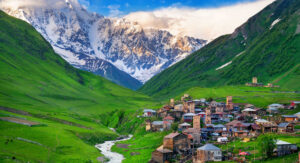
The Caucasus Mountains define much of Georgia’s landscape and support year-round adventure tourism. Trekking routes vary in difficulty, catering to both beginners and experienced mountaineers. Higher peaks such as Ushba, Tetnuldi, Shkhara and Jangha attract climbers seeking technical challenges.
In winter, ski resorts including Gudauri, Mestia, Goderdzi and Bakuriani operate with facilities that meet European standards. Activities range from downhill skiing and snowboarding to heliskiing, off-piste skiing and snowmobiling.
Rivers, Lakes and Water-Based Activities
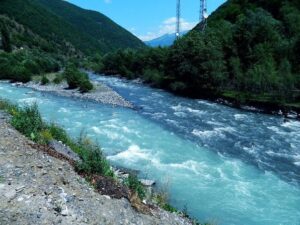
Georgia’s rivers, largely fed by glaciers, run through narrow gorges and valleys and are suitable for rafting and kayaking. Rafting routes are typically graded between Class 1 and 3, making them accessible to both newcomers and experienced participants. Kayaking is available on multiple routes between April and November, with certain rivers offering year-round conditions.
Lakes and waterfalls are found throughout the country, providing additional options for outdoor recreation and short excursions.
Canyons and Geological Features
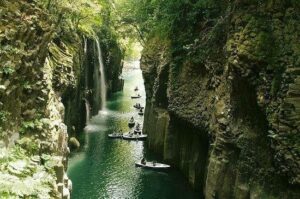
Canyons such as Okatse, Martvili and Tsalka (Dashbashi) highlight Georgia’s geological diversity. Canyoning activities often combine hiking, abseiling, climbing and swimming, and are conducted with trained guides. These experiences are available in several regions, including Imereti, Samegrelo and Racha-Lechkhumi.
Caves and Historical Cave Sites
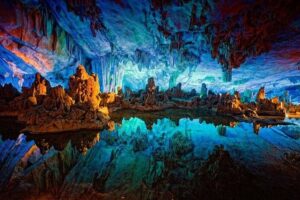
Georgia is home to numerous caves, some of which rank among the deepest in the world. Sites such as Prometheus, Sataplia, Navenakhevi and Tetra caves are open to visitors and feature natural rock formations. Sataplia is also known for preserved dinosaur footprints.
In addition to natural caves, Georgia has historic cave cities and complexes, including Vardzia, Uplistsikhe, the Gareji desert monasteries and Kvakhvreli, which provide insight into the country’s architectural and cultural history.
The Black Sea Coast
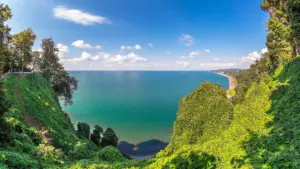
Along the Black Sea coast, travellers can combine relaxation with activities such as boating, paragliding and other water sports. Coastal towns offer a different setting from the mountains while remaining connected to Georgia’s broader adventure tourism offering.
A Broad-Based Adventure Destination
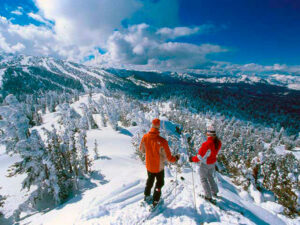
Georgia brings together outdoor activities, varied landscapes and cultural traditions within a relatively small area. Visitors can engage in activities such as trekking, canyoning, kayaking, skiing and horseback riding, and complement these experiences with local cuisine, traditional hospitality, music and dance. This combination makes Georgia a destination suited to travellers seeking both active exploration and cultural engagement.














Leave a comment