

Emirates and Aeroporti di Roma Host Travel Rehearsal to Support Accessible Travel in Rome
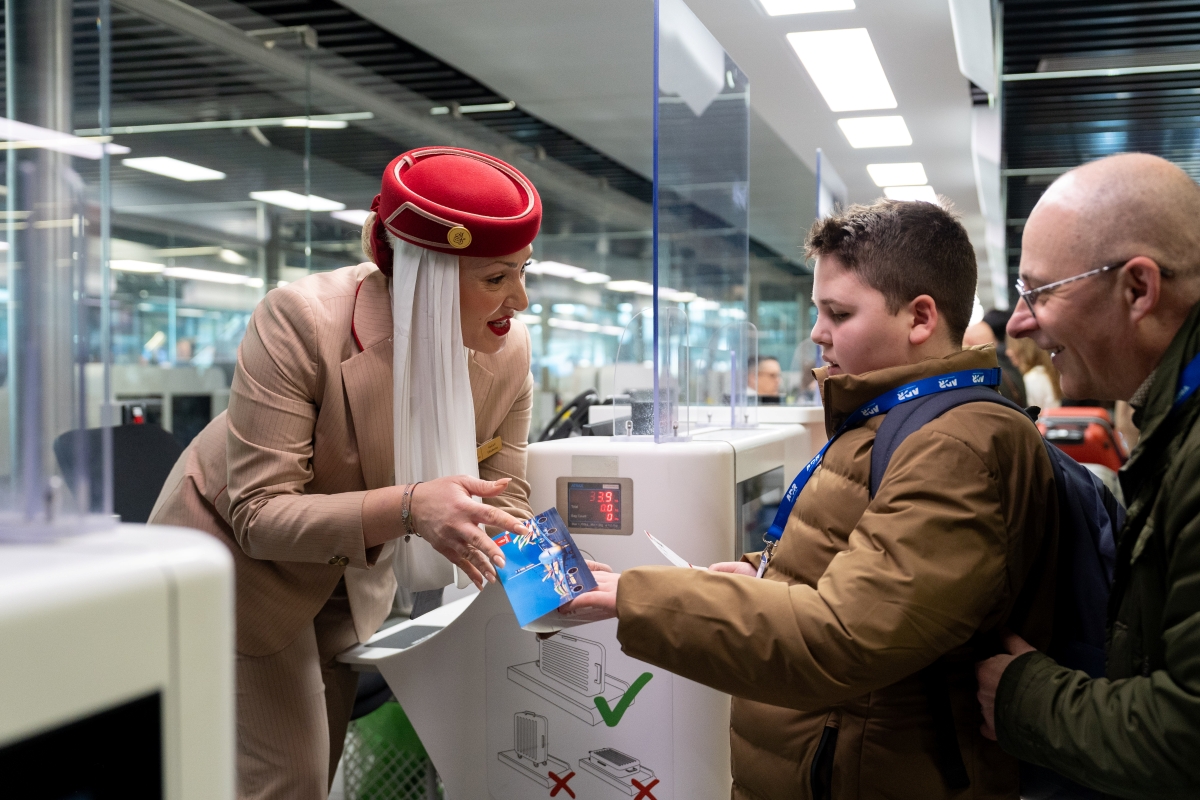
More than 100 million people worldwide live with autism or sensory sensitivities, and research indicates that many avoid air travel due to concerns about navigating unfamiliar and high-stimulus environments. In response, Emirates and Aeroporti di Roma (ADR) organised a “Travel Rehearsal” at Rome Fiumicino Airport on February 21 to help address these challenges.
The initiative forms part of a broader accessibility programme first introduced at Emirates’ hub in Dubai and later extended to other international destinations. The Rome edition was delivered in collaboration with ANGSA Lazio APS.
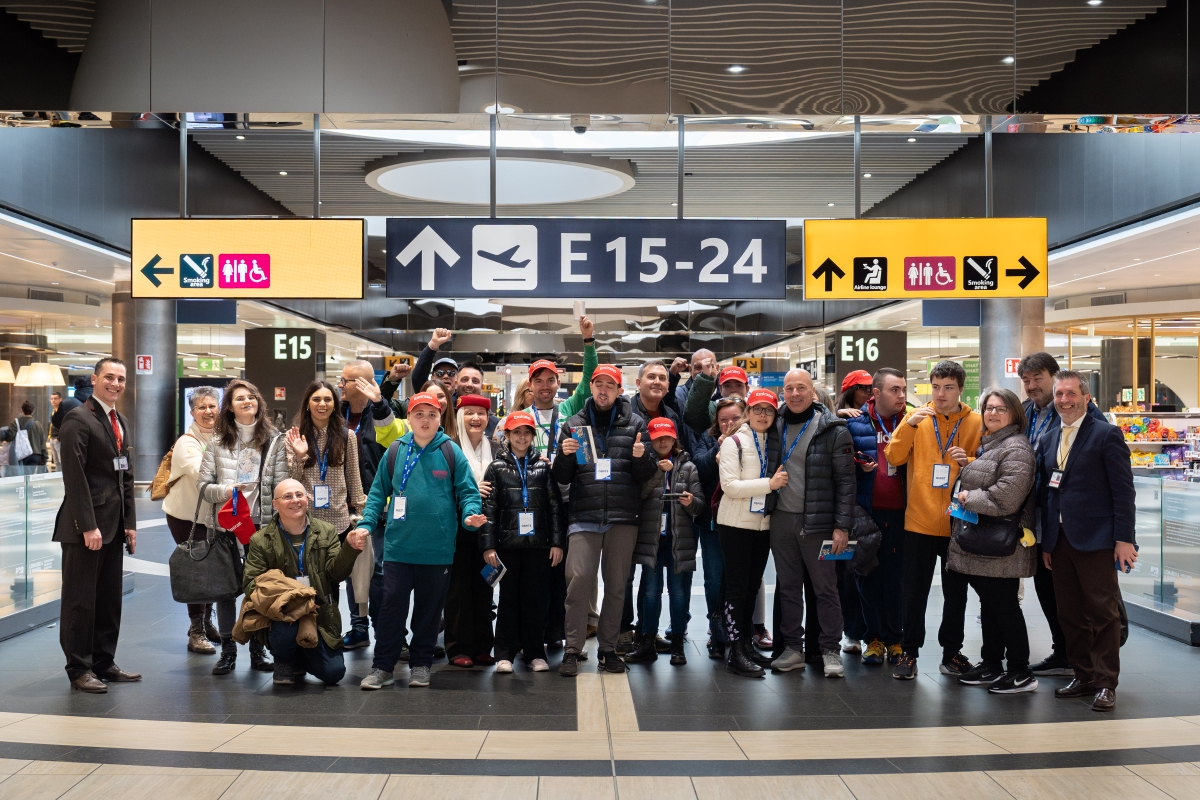
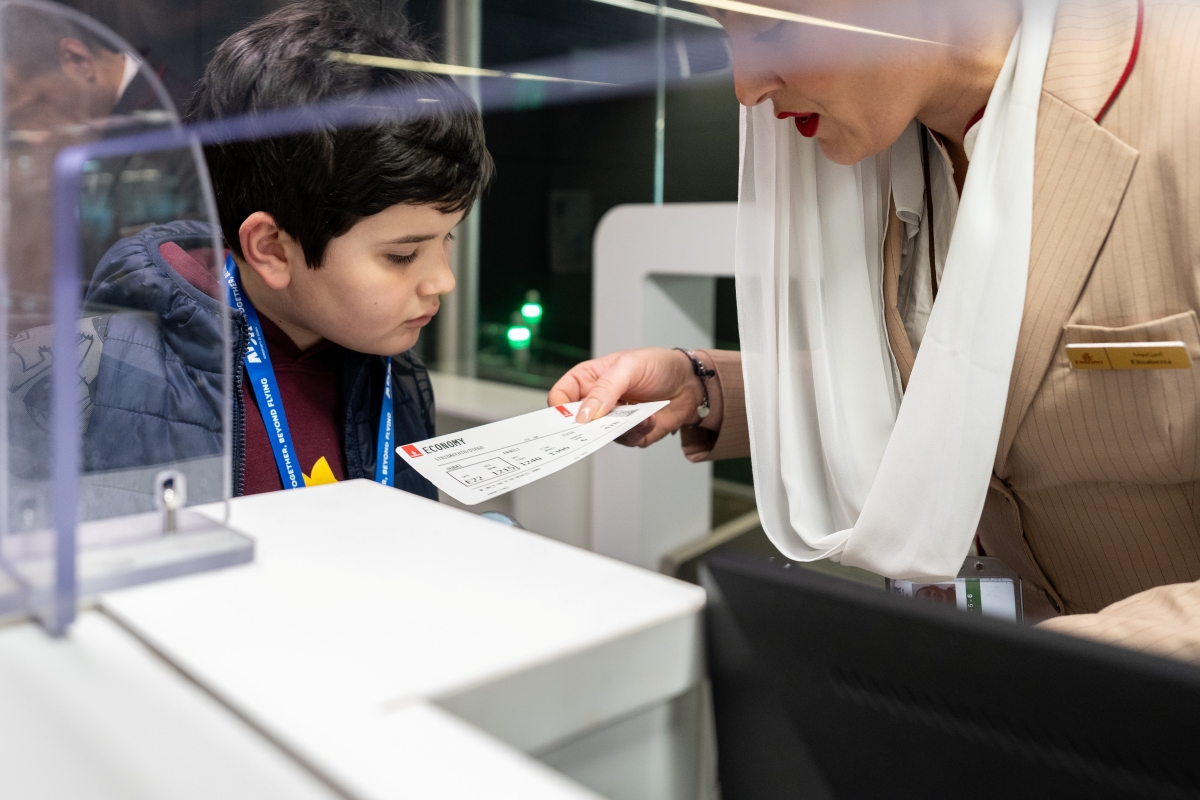
The event welcomed 12 children and young adults, accompanied by 16 caregivers, who were guided through a simulated airport journey. Participants practised check-in, security screening and boarding procedures in a live airport setting. The aim was to help them become familiar with the process ahead of an actual trip, reducing uncertainty and allowing families to better plan for future travel.
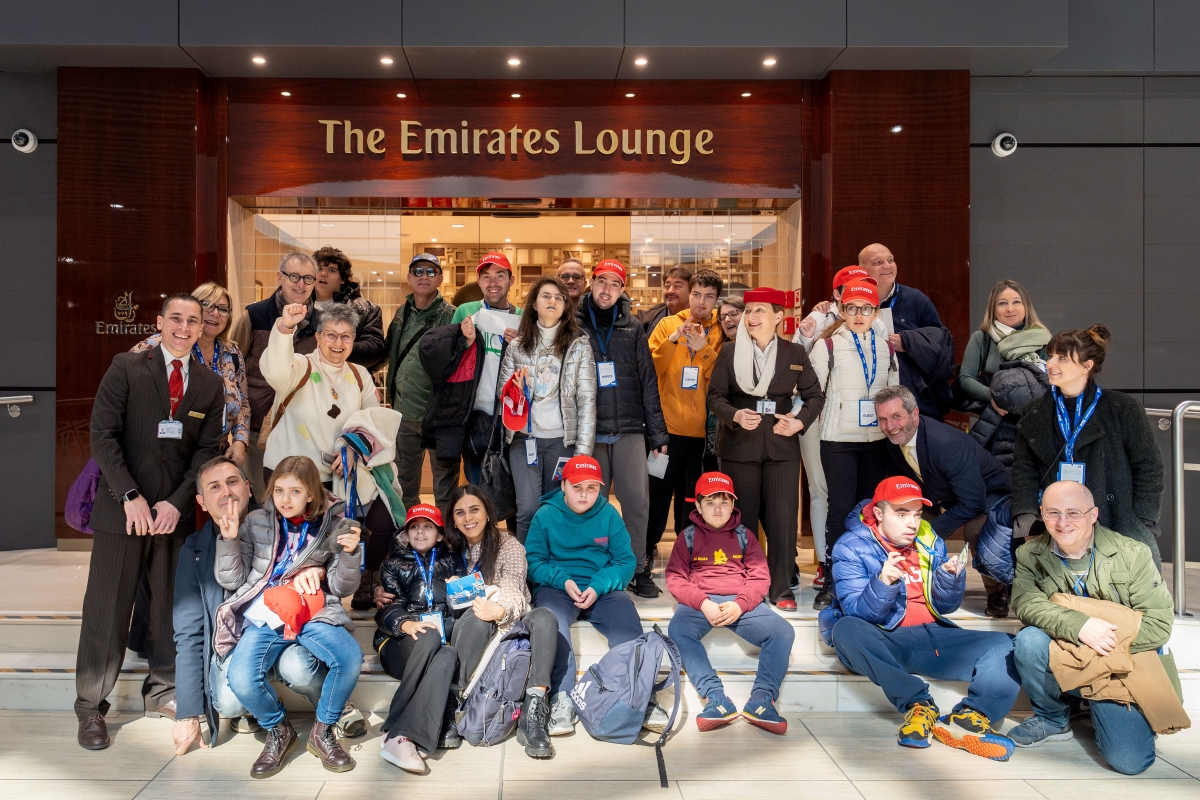
The programme also highlights the role of airport and airline staff training in supporting passengers with non-visible disabilities. By increasing awareness and preparedness among frontline teams, the initiative seeks to create a more inclusive and supportive airport environment.

Marco D’Ilario, Country Manager Italy at Emirates, said the initiative reflects the airline’s focus on making air travel more accessible for passengers who may face hidden barriers. Veronica Pamio, Senior Vice President External Affairs, Sustainability and Destination Management at Aeroporti di Roma, added that inclusion remains part of the airport operator’s broader development strategy, with continued investment planned to enhance accessibility.
Following similar programmes in Dubai and other cities, the Rome event marks another step in expanding structured accessibility initiatives across Europe, with the shared goal of making air travel more approachable for passengers with autism and sensory sensitivities.

















Leave a comment