

Coastal Tourism and the Economic Ripple Effect on Local Communities
By Anoop Kumar, Partner/Director, Nautika

Coastal Tourism and the Economic Ripple Effect on Local Communities

India’s coastline of over 7,500 kilometres links lively cities, scenic beaches, historic ports and culturally vibrant coastal communities. Coastal tourism is often associated with leisure and hospitality, but the economic impact is much broader than hotels and resorts. Thoughtful tourism development can be a powerful engine for local economic development, creating opportunities for small enterprises, employment and better communities’ living standards.

Tourism is one of the few industries with a direct multiplier effect. Every visitor contributes to a network of local economic activities. A tourist arriving at a coastal destination spends not only on accommodation but also on transportation, dining, shopping, sightseeing and experiences. The spending is spread across a broad spectrum of stakeholders including restaurant and local transport operators, artisans, tour guides, fishermen and small retailers.
Tourism is also a major source of additional income for many coastal communities. Communities dependent on seasonal employment, such as agriculture, fishing or other trades, can supplement their income through homestays, food services, handicrafts, recreational activities and cultural experiences. A mixed economy is stronger and less dependent on one source of income.
And the expansion of tourism also spurs entrepreneurship from the bottom up. More visitors generally mean locals see opportunities to sell products and services to travelers. Tourism allows small businesses to be active in the local economy, whether it is a family-run cafe, a souvenir shop selling local crafts or a cultural tour guide. These businesses help create jobs and help build up communities over the years.
One of the most significant enablers of tourism growth is connectivity. No matter how attractive a destination may be, its tourism potential remains limited if travellers cannot reach it conveniently. Infrastructure is the key to unlocking economic opportunities and nowhere more than in coastal areas.
While road and air networks continue to be relevant, water transport is an under-explored opportunity in India. Ferry services have revolutionized access to coastal destinations worldwide, making transport more efficient and creating new tourism circuits. Better maritime connectivity means shorter travel time and encourages visitors to visit multiple locations within a region and spend more as a whole as tourists, resulting in economic benefits being distributed across more destinations.
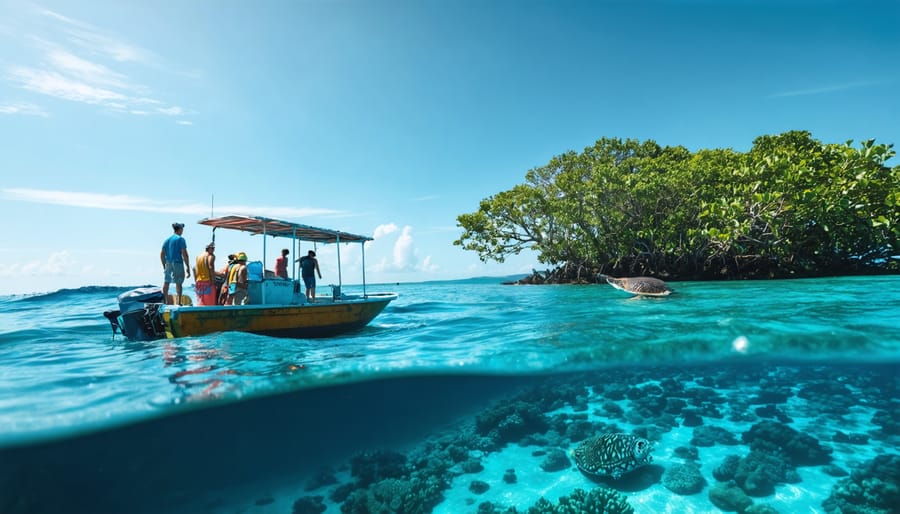
In the Andaman Islands, we witness this multiplier effect every day. A single ferry arrival supports accommodation providers, local transport operators, restaurants, activity vendors, dive centres and tourist guides across multiple islands. Improved connectivity not only benefits travelers but also strengthens the local economy by creating opportunities for a wide range of businesses and service providers.
Transportation is not just a way of getting from A to B in coastal tourism. It is a bridge for possibility and for communities. More accessible destinations attract more visitors, creating demand for accommodation, food, local transport, retail and recreation services. This extra economic activity helps local businesses and creates jobs that are not limited to the tourism sector.
India’s coastal areas have huge potential for tourism development. Many destinations have unique natural beauty, cultural heritage and authentic local experiences, but have yet to be fully discovered due to accessibility challenges. Good water transport systems and stronger regional connectivity can help bring these destinations into the mainstream tourism ecosystem and ensure that economic benefits are distributed more widely.
But growth has to be sustainable. Coastal ecosystems are important natural resources and must be maintained in good condition. Tourism development should strike a balance between economic progress and environmental responsibility. Sustainable tourism practices help protect the resources local communities depend upon while ensuring destinations remain attractive for future generations.
Community participation is equally important. The best tourism models are those that directly benefit local people. Supporting local entrepreneurs, promoting skill development and encouraging community-led tourism initiatives can ensure tourism delivers inclusive and long-term economic value for all stakeholders.
With India continuing to strengthen its tourism infrastructure, coastal tourism represents a significant opportunity for regional development. The true measure of tourism success should not be visitor numbers alone, but its ability to improve livelihoods, support local businesses and generate sustainable economic opportunities.
The future of coastal tourism will not be determined solely by the destinations travelers choose, but by how effectively those destinations are connected. As India develops its coastal and maritime infrastructure, connectivity will increasingly become the catalyst that transforms tourism potential into economic opportunity.
As connectivity improves, destinations become more accessible and the benefits reach entire communities. Coastal tourism can be a powerful engine of inclusive growth for all, from local vendors and transport operators to restaurants and small business owners. By investing in infrastructure, sustainable practices and empowering local communities, India can realize the full economic potential of its coastline while creating long-term value for the people who live in these areas.














Leave a comment