

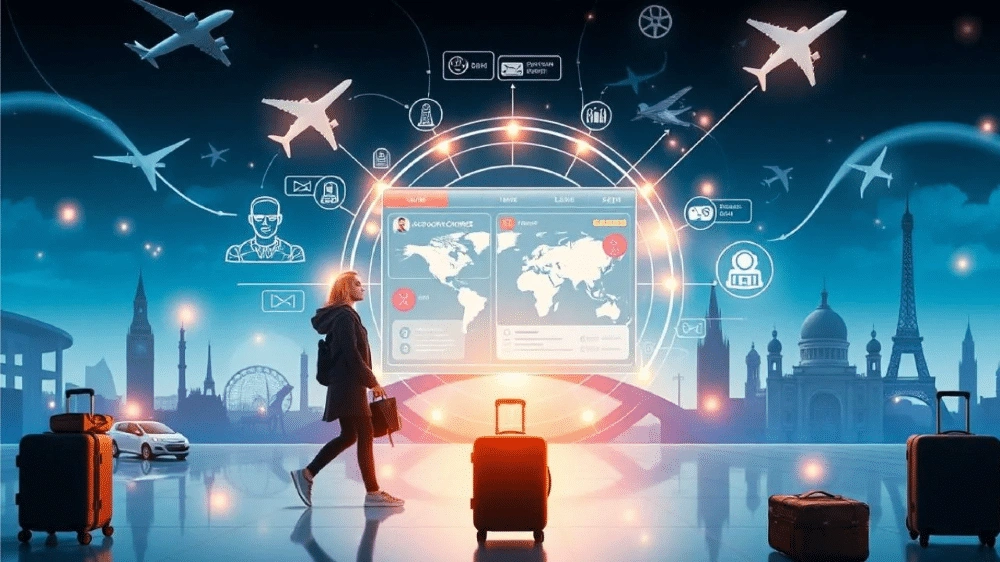
The Future of Indian Outbound Travel: How Personalised Planning Blends AI with Human Expertise
By: Prashant Daroch, Founder, Atraveq

The Future of Indian Outbound Travel: How Personalised Planning Blends AI with Human Expertise
Indian outbound travel is witnessing a shift that goes well beyond rising numbers. The IBEF report notes that Indian travellers spent as much as ₹2.72 lakh crore (US$31.7 billion) on international travel in FY24, an increase of 25% over FY23, making outbound travel bloom at an unparalleled pace.
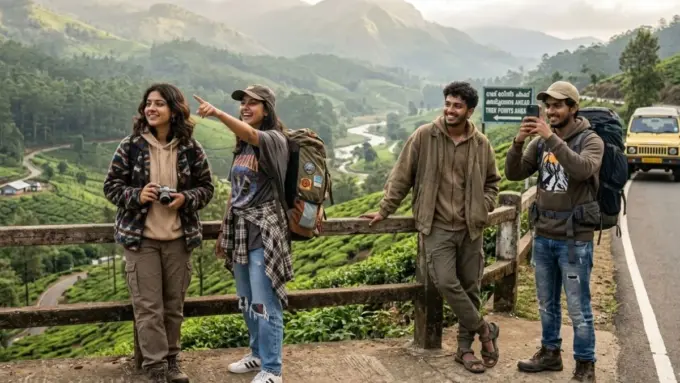
Indian outbound travellers are growing each year, and their demands for an international trip have changed remarkably. For decades, travelling to other countries was about choosing predefined itineraries. People brought travel books filled with detailed itineraries and went to the usual places. But today’s Indian traveller prefers it to be tailored to their own comfort, pace, and preference.
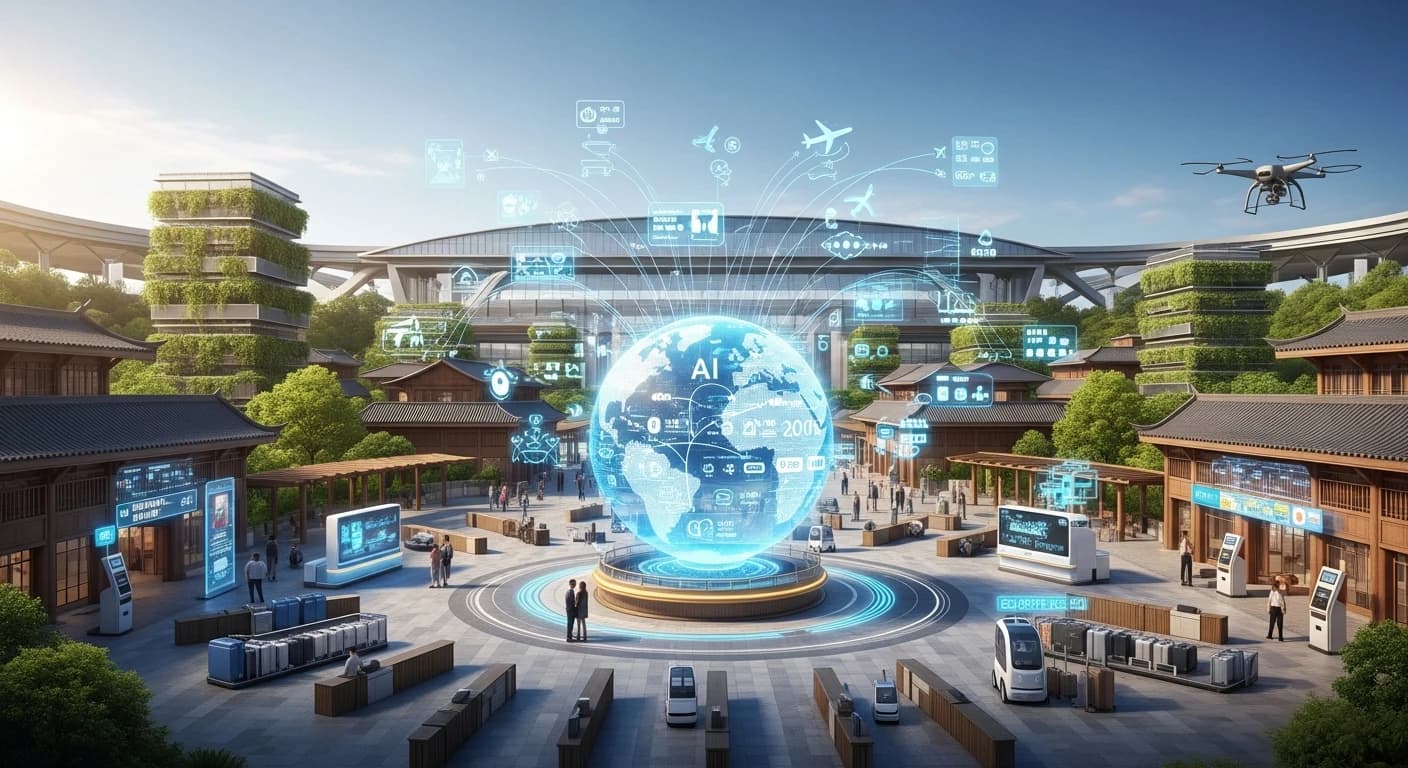
Today, the modern traveller chooses to discover each place at his leisure and according to his own preferences. And even various options exist for various choices; some seek adventure, and some seek rest. Families want activities that attract all age groups. Couples prefer peace and solitude over crowded sights. The future of outbound tourism is no longer destination-first; it’s traveller-first.
Today’s technology revolution has changed the very concept of trip planning. We have flight comparison websites, hotel reviews, and destination guides, all accessible at our fingertips. But in our quest to find our own perfect holidays, it is now quite easy to get lost in the large amount of information available. This leads to indecisiveness and a not-so-well-planned holiday. There is a rise of shift in outbound travel and planning.
The Decline of the “One-Size-Fits-All” Travel Itinerary
Traveller expectations evolve each year, and today’s traveller has many specific demands while travelling.
Multi-generation family holidays have grown in popularity, in part because of the relatively new idea of slow travel, whereby travellers visit fewer places, stay longer and experience them more deeply.
Meanwhile, a larger number of repeat global travellers have already visited the popular destinations and are looking for a real niche experience, be it the tranquil south of a Western country or a less-known destination. While industry projections foresee outbound travel from India expanding gradually, the more significant change is the personalised itinerary based on the personal preferences of customers.
AI has transformed travel planning, but only up to a point
The management of trip planning has been effectively improved by artificial intelligence. It eases the confusing beginning phase, discovering which destination to go to. It provides knowledge about visa requirements quickly, offers budget comparison on airlines and hotels, promotes feasible travel plans and provides translations for unfamiliar languages.
AI is able to make an enhanced travel itinerary by recognising the patterns in data, which is also where its shortcomings kick in. AI isn’t able to account for the nuances of the emotional factors that lead to travel decisions, or why an individual might favour a calm hillside town over a trending beach destination, or why a traveller who has visited Europe three times is now looking for hidden regions rather than iconic attractions.
Neither AI is able to forecast the personalisation that emerges from a continued conversation and reveals itself only over real interaction. At best, AI is making travel smarter but not more personalised for humans.
The growing value of human expertise in personalised travel
Human touch is gaining renewed importance. Old-fashioned conversation still counts, especially on overseas travel where a trip touches many places, or requires complex visas.
A well-travelled advisor knows far more about destinations than can be picked up on a web search engine. They can tell you what clients feel about certain destinations, where people end up going and where they should visit, all based on how holidays are travellers’ personal choices. But best of all, travel advisors can guide you through when your flight is cancelled, and problems hit out of the blue.
AI + Human expertise: The future isn’t replacement—it’s collaboration
A better way to consider it is not AI versus human, but AI and human working in coordination. AI tools are perfect for information, speed, comparisons and automation, neatly taking over the bits of our journeys that used to take hours of a traveller’s time.
Human expertise brings with it judgment, empathy, real-world experience, and the knowledge of travellers’ personal preferences, even when they haven’t quite articulated it themselves.
We believe technology should eliminate repetitive work so travel specialists can spend more time understanding travellers rather than searching for information. AI helps us analyse possibilities faster. Our destination specialists transform those possibilities into meaningful holidays.
The reality is that in actual experience, most trip planning isn’t based on tech or people. AI can narrow down choices, while humans provide context that distinguishes between a meticulously planned itinerary and one that truly suits the traveller. That combination is probably the focus of the next phase of outbound tourism.
The future of Indian outbound travel
Moving forward, there appear to be a few trends that will define the next phase of Indian outbound travel. Travel itineraries will become increasingly hyper-personalised, with destinations being tailored more to personal inclination than the traditional destination checklist.
While not exclusive to luxury, concierge-led planning may become increasingly mainstream, with travellers prioritising support before, during and after their holidays. In the background, AI will do even more to suggest and organise their trips.
Ultimately, it is journeys that feel authentic and worthwhile, rather than a trail of more destinations. Technology will be just one part of the travel; it will be trips that combine the power of AI with rich human expertise. The future of travel is not AI versus humans. It is AI empowering human expertise to deliver journeys that feel truly personal.













Leave a comment