

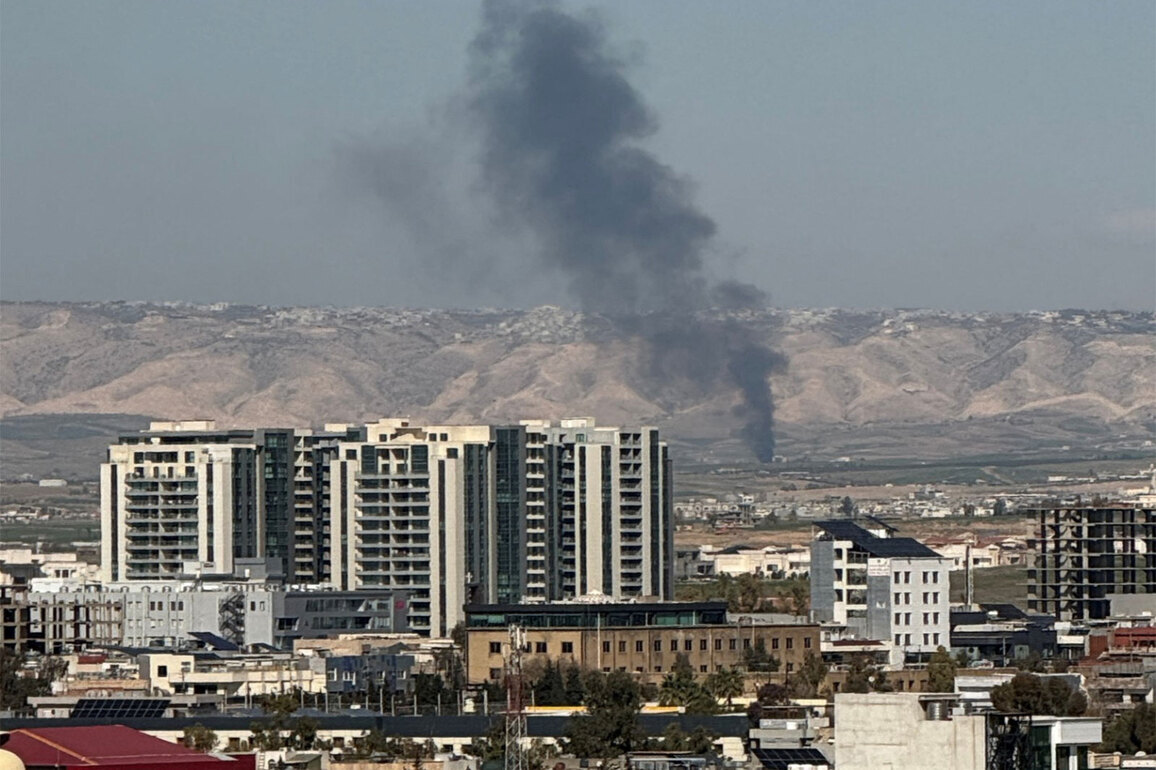
West Asia conflict impacts India’s tourism and aviation
Conflict report highlights aviation, travel and hospitality pressure
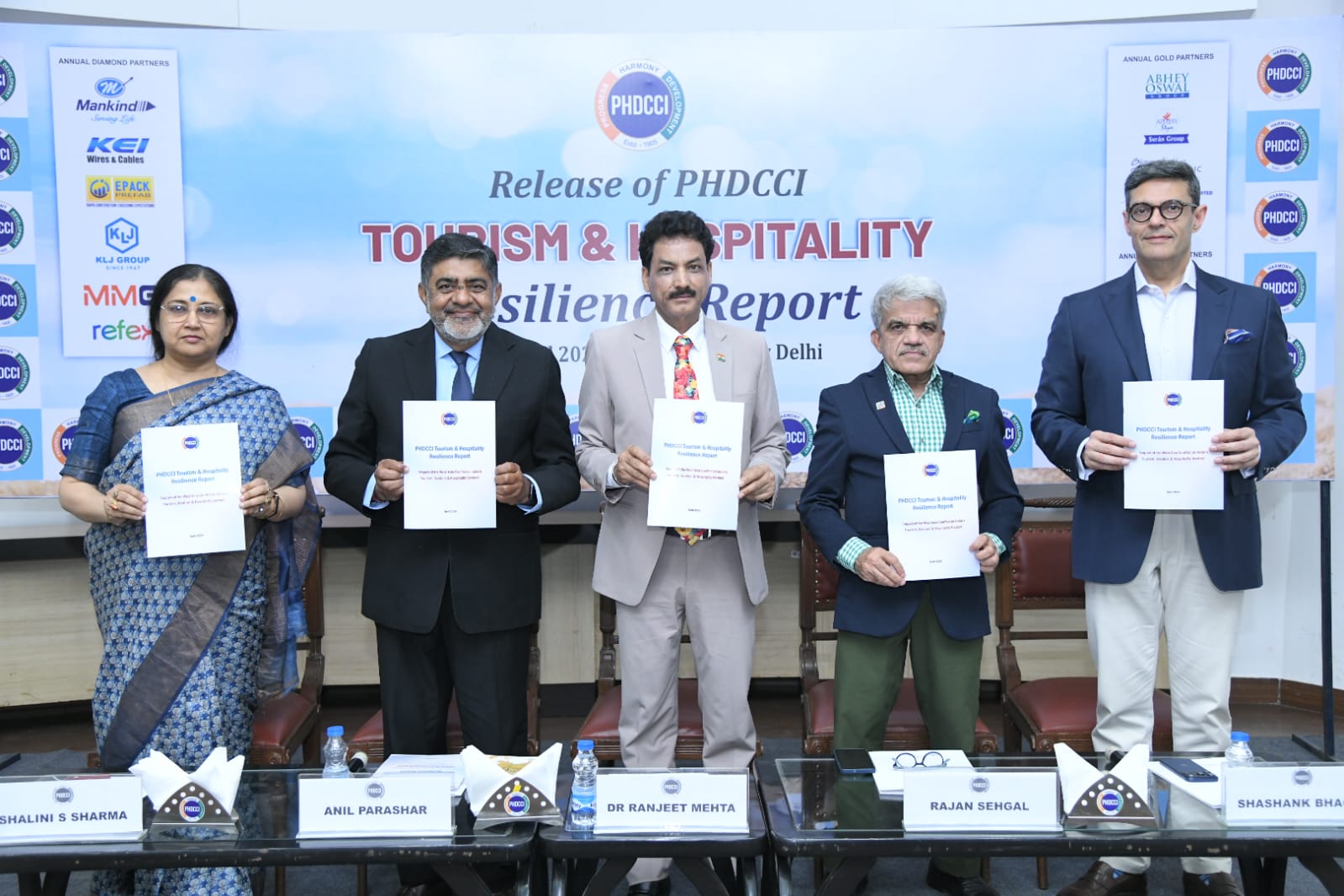
PHD Chamber of Commerce and Industry has released a report examining the impact of the West Asia conflict on India’s tourism, aviation, and hospitality sectors, noting disruptions across multiple segments even as domestic demand continues to support overall activity.
The sector, which contributes around 8% to India’s GDP and supports more than 40 million jobs, had shown recovery in 2025. However, developments in early 2026 have introduced fresh uncertainty, particularly affecting international travel and airline operations.

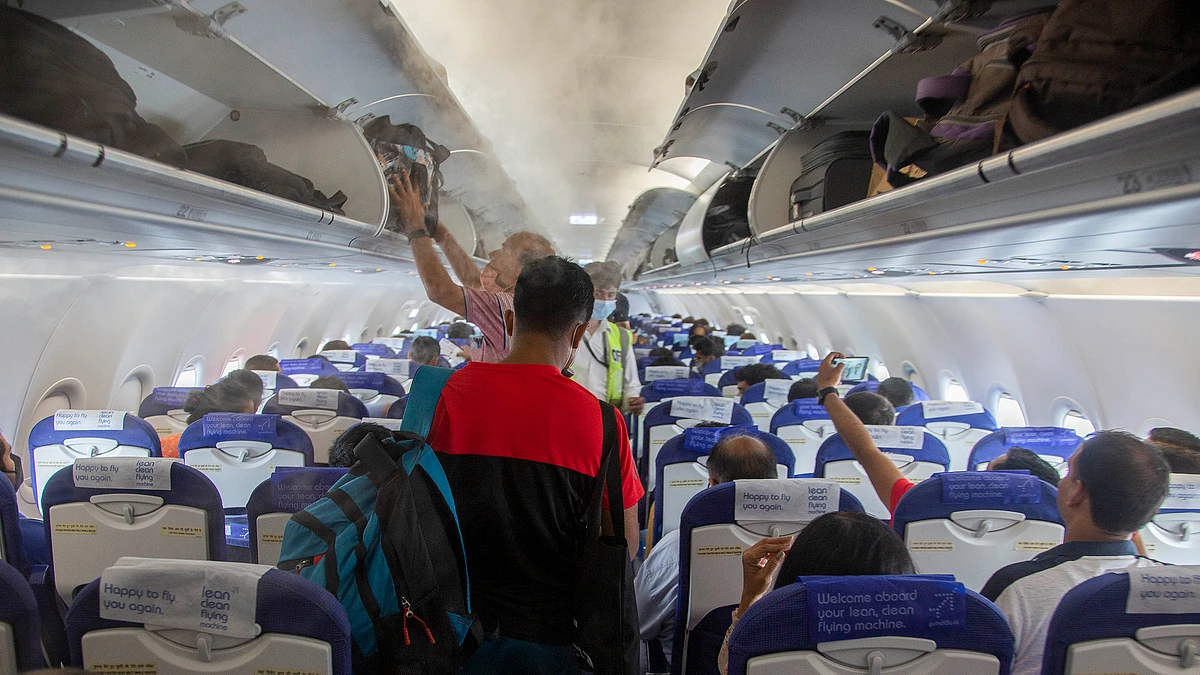
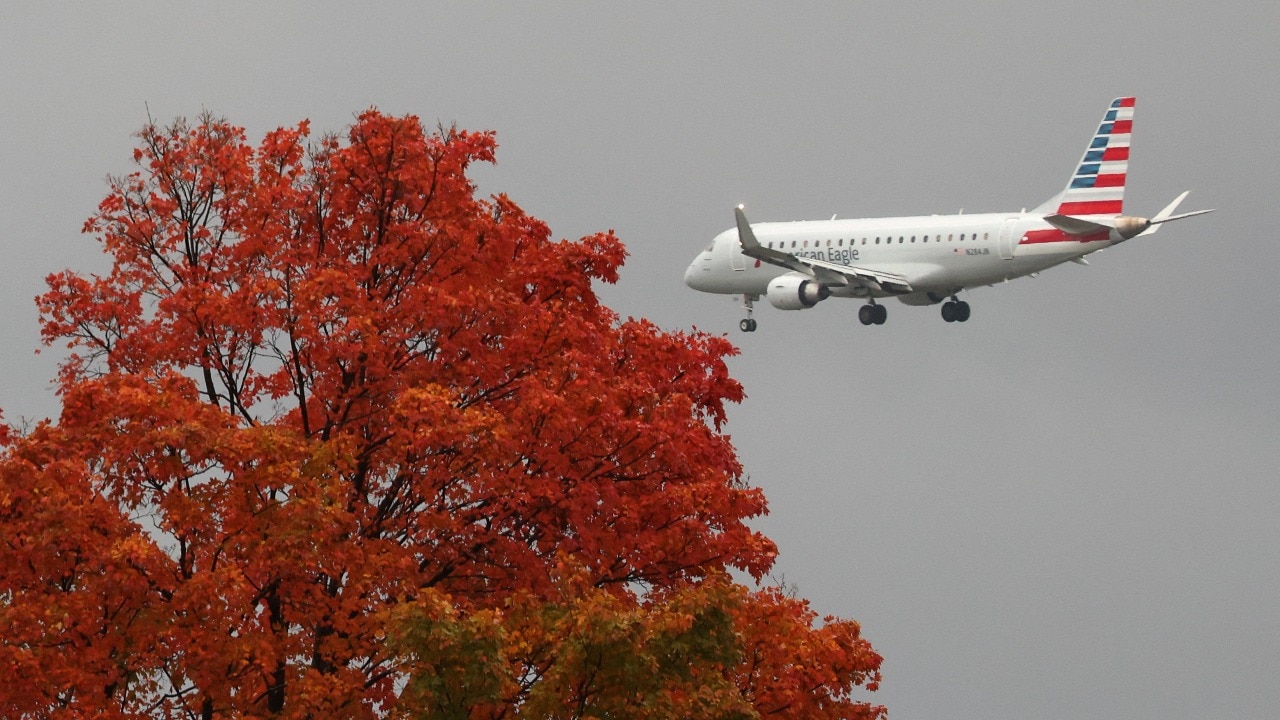
The aviation segment has been the most affected, with flight cancellations, airspace restrictions and rerouting of international services. These changes have increased flight durations by two to four hours on several routes, raising fuel consumption and operating costs. With fuel already accounting for a significant share of airline expenses, the situation has added pressure on margins and fares.
Inbound tourism has declined by an estimated 15–20%, particularly in leisure travel, as international travellers adopt a cautious approach. At the same time, outbound travel trends have shifted, with Indian travellers favouring short-haul destinations such as Thailand, Singapore and Vietnam, while demand for long-haul routes has moderated.
The hospitality sector continues to be supported by domestic travel, although rising energy and input costs, as well as changes in international demand, are affecting profitability, especially in segments linked to foreign visitors.
In the food services segment, operators are dealing with input cost increases of around 10–15%, driven by higher prices for imported ingredients, logistics and energy. While domestic demand and food delivery continue to contribute to revenues, margin pressure remains a concern, particularly for smaller operators.
Despite these challenges, domestic tourism remains a key driver of demand. Travel patterns such as staycations, short breaks and experience-led dining continue to support activity across hotels, airlines and restaurants.
The report outlines several measures to address current challenges, including diversifying international air routes, strengthening bilateral agreements and reviewing taxation in aviation fuel, hospitality and food services. It also highlights the need for improved infrastructure, better connectivity and support for small businesses within the tourism ecosystem.
The findings suggest that while current conditions have created short-term disruption, they also underline the importance of building a more balanced and resilient tourism and aviation network in India.
















Leave a comment