

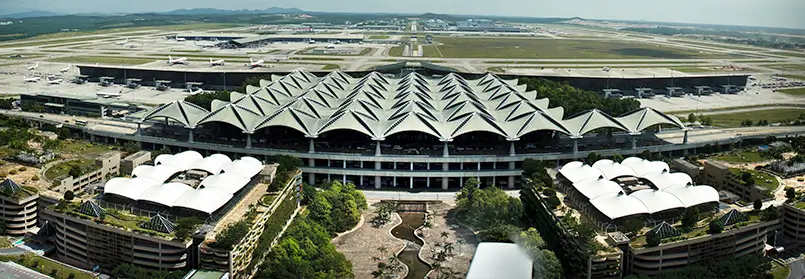
VAMS at KLIA Terminal 2 Improves Kerbside Traffic Management and Passenger Experience
Malaysia Airports has reported encouraging results following the implementation of the Vehicle Access Management System (VAMS) at KL International Airport Terminal 2 (KLIA T2). Introduced on 31 March 2026, the system has helped improve traffic flow at the terminal’s kerbside areas, creating a more efficient environment for passengers and drivers during drop-offs and pick-ups.
Data collected during April and May 2026 shows that the new system has contributed to shorter waiting times and improved compliance among airport users. The results highlight the role of technology-driven traffic management in supporting smoother airport operations.

Strong Compliance Recorded During Initial Months
According to Malaysia Airports, vehicles using the kerbside area at KLIA T2 recorded an average dwell time of slightly more than three minutes during the first two months of operation.
This is well within the complimentary 10-minute grace period established under the VAMS programme. During the same period, 99% of users complied with the time limit.
Out of 1,127,986 vehicles recorded at Terminal 2, a total of 1,117,170 vehicles completed their activities within the allowed grace period. The figures indicate that most airport users have adapted quickly to the new system.
Purpose of the Vehicle Access Management System
VAMS was introduced to improve traffic movement in high-demand airport zones where congestion can occur during peak travel periods.
The system encourages vehicles to complete passenger drop-offs and pick-ups within a 10-minute timeframe. By reducing unnecessary waiting and prolonged parking at kerbside areas, airport authorities aim to maintain a steady flow of vehicles and minimise congestion.
The initiative forms part of Malaysia Airports’ broader strategy to enhance operational efficiency while improving the overall passenger journey.
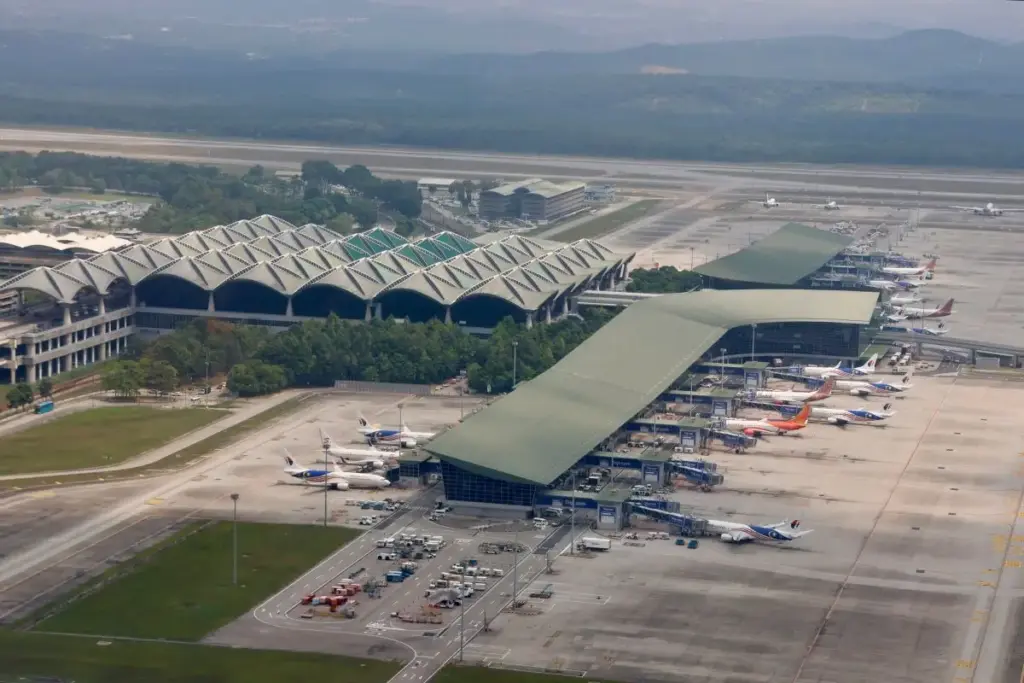
Malaysia Airports Focuses on Service Improvements
Malaysia Airports Managing Director Mohd Izani Ghani said VAMS supports the organisation’s goal of improving the end-to-end airport experience.
According to Ghani, the system is designed not only to improve traffic management but also to create a more organised and service-oriented airport environment from the moment passengers arrive at the terminal.
The early performance at Terminal 2 follows the successful implementation of the system at KLIA Terminal 1 in December 2025.
More Than 7.3 Million Vehicles Processed
Since being introduced at both KLIA Terminal 1 and Terminal 2, the Vehicle Access Management System has managed more than 7.3 million vehicles.
The large volume demonstrates the scale of airport traffic handled through the system and highlights its importance in supporting daily airport operations.
As passenger numbers continue to grow, effective kerbside management is becoming increasingly important for maintaining service quality and reducing delays around terminal entrances.
Additional Measures Support Smooth Operations
Alongside the digital monitoring system, Malaysia Airports has implemented several supporting measures to maintain traffic flow.
Traffic marshals and response teams are positioned throughout the kerbside area to assist drivers and respond quickly to operational issues. These teams help ensure vehicles continue moving efficiently during busy periods.
The airport has also introduced manual barrier operations and backup power systems. These safeguards allow traffic management activities to continue even if technical disruptions occur.
Such measures help minimise delays and maintain continuity during unexpected situations.
Future Expansion Plans Under Consideration
Malaysia Airports views VAMS as part of a longer-term plan to modernise airport operations and improve passenger services.
Following positive results at KLIA, the airport operator is exploring opportunities to introduce the system at other airports within its network. Future implementation will depend on operational requirements and traffic conditions at individual locations.
The organisation has stated that it will continue refining the system based on operational experience and user feedback.
Benefits for Passengers and Drivers
One of the key outcomes of the programme has been the creation of a more predictable and organised kerbside environment.
Passengers benefit from reduced congestion around terminal entrances, while drivers experience clearer traffic movement and shorter waiting times. The improved flow can also contribute to a smoother start or end to the travel experience.
As airports continue to invest in operational technologies, systems such as VAMS are becoming an important part of managing increasing passenger and vehicle volumes efficiently.
For more travel and tourism content, follow Safari India.














Leave a comment