

Radisson Hotel Group Expands Verified Net Zero Program, Targets 100 Hotels by 2030
Radisson Scales Verified Net Zero Hotel Programme Globally
Radisson Hotel Group has announced the global roll-out of its Verified Net Zero Hotels (VNZ) programme, transitioning from a 2025 pilot phase into a structured, multi-year roadmap. The next phase of the initiative was unveiled at the International Hospitality Investment Forum 2026, where the group outlined its ambition to scale the programme to 100 Verified Net Zero hotels worldwide by 2030.
Originally launched as a proof of concept to demonstrate that net zero operations can be achieved in existing hotel buildings, the VNZ programme is now evolving into a scalable model designed for broader implementation across global markets.
Phased global expansion
The rollout will begin in 2026 with a phased approach starting in Norway, followed by Denmark, Sweden, the United Kingdom and South Africa. The latter will host the first Verified Net Zero hotel on the African continent, marking a significant milestone as the programme expands beyond Europe.
Further expansion is planned across Germany, Austria and Spain’s Canary Islands over the next five years, reflecting Radisson Hotel Group’s intent to embed net zero practices across diverse geographies and operating environments.
Framework and verification
The VNZ programme is built on a comprehensive framework addressing all three emissions scopes and aligns with the Science Based Targets Initiative. It follows a dedicated Net Zero Methodology for Hotels, focusing on eliminating Scope 1 and 2 emissions through electrification, renewable energy sourcing and sustainable heating and cooling systems.
Operational Scope 3 emissions are also targeted through reductions in food and beverage operations, waste management, laundry, amenities and business travel. Each participating hotel undergoes independent verification by TÜV Rheinland, ensuring compliance with internationally recognised sustainability standards.
Guest experience and early results
Guests staying at Verified Net Zero Hotels can expect fully renewable energy use, low-carbon dining options and reduced-waste operations, with stays and meetings designed to achieve a net-zero footprint.
Initial performance data from operational VNZ hotels in Manchester and Oslo indicates strong results, with awareness levels exceeding 70% and approximately 20% of guests choosing these properties specifically due to their net zero status. The findings suggest that environmental performance and commercial outcomes can align effectively.
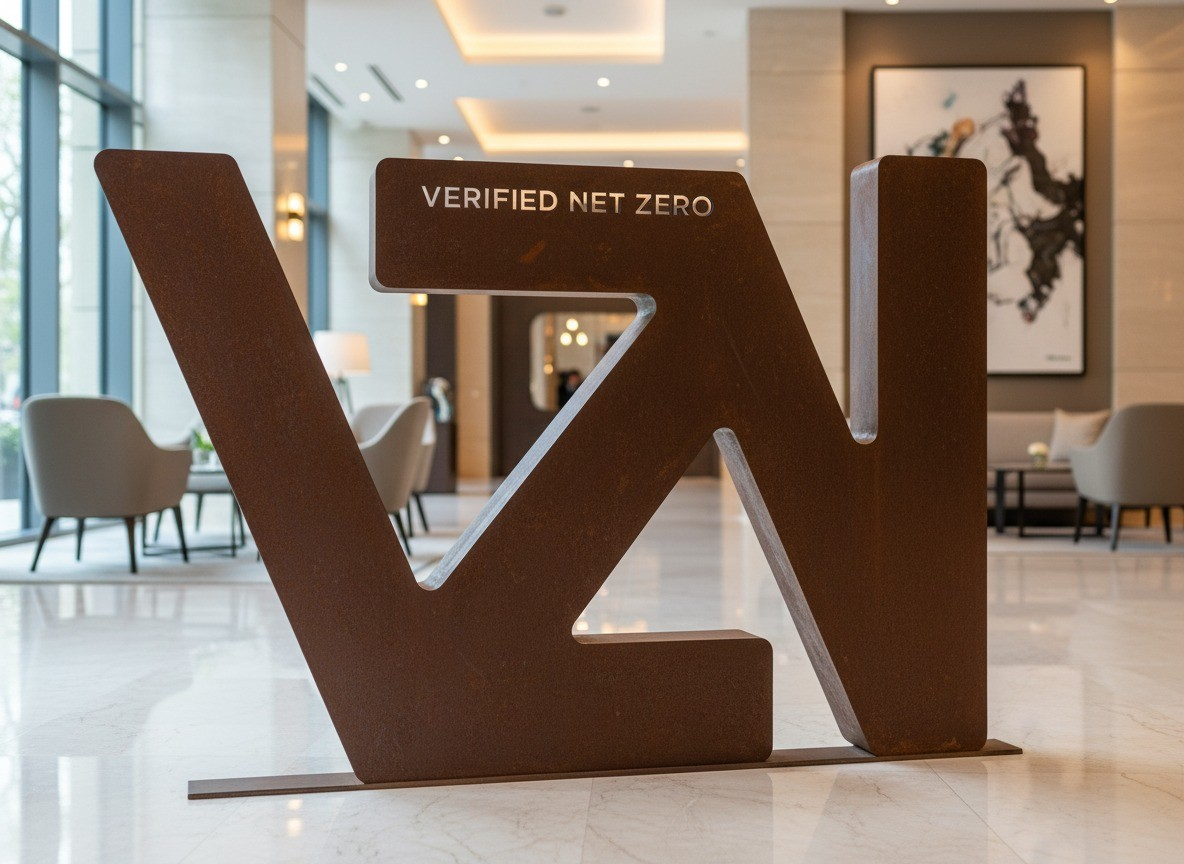
The programme also introduces a new Verified Net Zero icon, designed as both a physical and digital identifier across hotel touchpoints. In line with the initiative’s sustainability focus, a 3D-printed version of the icon incorporates organic waste materials from hotel operations.
As sustainability expectations continue to rise among regulators, investors and travellers, Radisson Hotel Group’s expanded VNZ programme positions net zero hospitality as a measurable, transparent and scalable model for the industry.
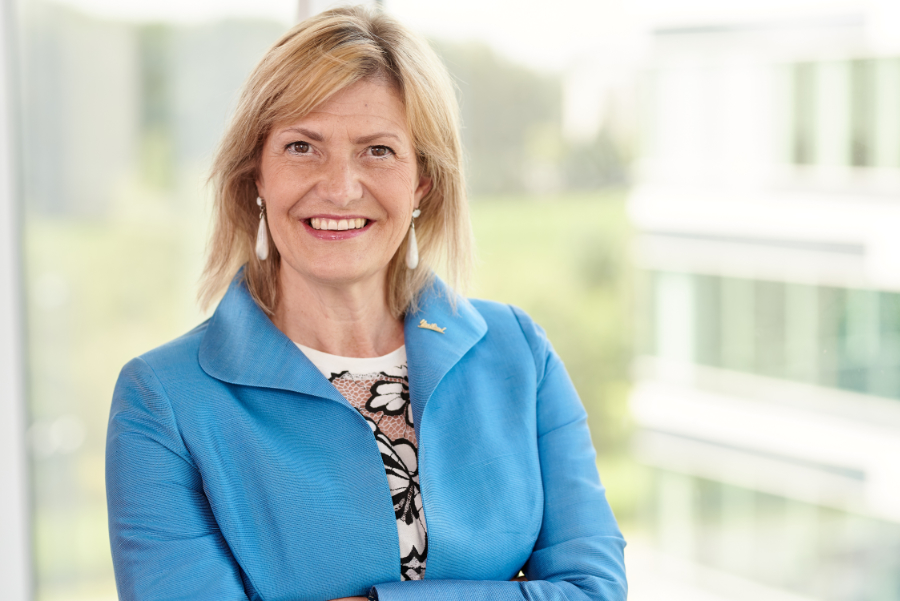
“The excellent results from the Manchester and Oslo Verified Net Zero (VNZ) hotels support the expansion of Radisson Hotel Group’s pioneering program. The hotels show strong carbon reduction across all emission scopes, high guest awareness, and clear support for sustainable meetings and events. They also provide hotel owners with a practical pathway to future-proof their properties and move toward Net Zero,” says Inge Huijbrechts, Chief Sustainability & Security Officer at Radisson Hotel Group. “Our guests know the concept is fully transparent and trustworthy—these hotels offer a Net Zero stay or a Net Zero Meeting & Event space, guaranteed!”
“TÜV Rheinland supports Radisson Hotel Group’s Verified Net Zero initiative by providing independent verification of their decarbonization measures. Ensuring transparency and credibility in sustainability efforts is crucial, and we are committed to upholding these standards through rigorous evaluation. Our role in this initiative highlights the importance of reliable assessments in achieving meaningful climate goals,” explains Dr Kai Höhmann, Senior Vice President Customized Solutions at TÜV Rheinland.

















Leave a comment