

Branded Residences Drive Phuket’s Shift into a Global Lifestyle Investment Hub
The evolution of Phuket from a traditional leisure destination into a global lifestyle investment hub is increasingly being shaped by the rise of branded residences. Industry experts note that the convergence of hospitality, real estate, and lifestyle branding is redefining how travellers engage with destinations—often transitioning from short-term visitors to long-term property owners.

Phuket’s Property Market Evolves with Hospitality-Led Branded Residences
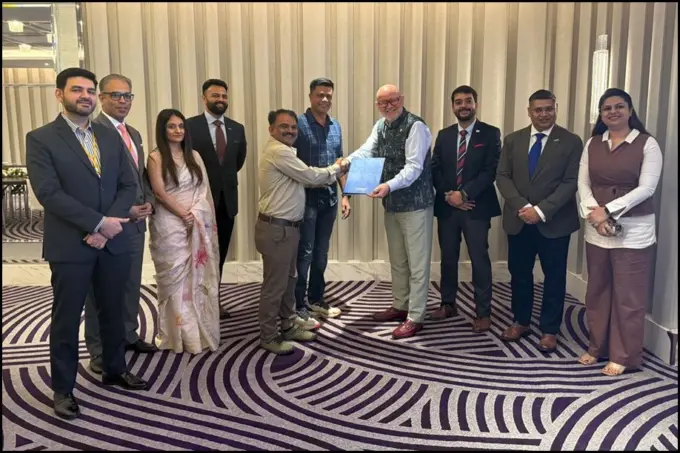
At a recent forum hosted by C9 Hotelworks, sector leaders highlighted how branded residential developments are influencing buyer behaviour.
“Buyers are not just picking a house anymore; they are choosing a lifestyle they feel part of,” said Bill Barnett, Managing Director of C9 Hotelworks, who moderated the session. “That emotional connection is what’s lifting pricing ceilings across the region.”
Developers emphasise that this shift is driven by both tangible and intangible value. Titiwat Kuvijitsuwan, Founder and CEO of Capstone Asset, noted that brand affiliations offer assurance of quality while also creating a sense of identity and belonging that can command premium pricing.
Titiwat Kuvijitsuwan, Founder and CEO of Capstone Asset, emphasized that brand affiliation delivers both tangible and intangible returns. “The first is quality assurance. An international brand gives buyers confidence in what they are getting, particularly in emerging markets,” he said. “The second is emotional—when a brand aligns with a buyer’s identity, that’s where the premium is created.”
Hospitality-led brands are particularly well-positioned to capitalise on this trend. Kara Wang of Banyan Group Residences pointed out that many buyers first engage with brands as hotel guests, establishing familiarity and trust prior to making property investments. Buyers are also increasingly focused on long-term considerations such as rental yields, brand reputation, and exit strategies.
“They already know the brand story. That emotional relationship is established before the purchase,” she explained. “But beyond that, buyers are thinking about reputation, rental returns, and exit strategy from day one. It’s a very informed decision.”
This integration of travel experience and property ownership is especially evident in resort destinations like Phuket, where developments offer access to curated lifestyle ecosystems, including beach clubs, golf courses, and full-service amenities. Such offerings are becoming key differentiators in attracting high-net-worth individuals seeking both convenience and a sense of community.
At the ultra-luxury end of the market, brand heritage and limited supply are further elevating demand.
James Thackray, Head of Western International Agency Relations at Etro Residences, highlighted the role of deep emotional brand equity. “People may dream about owning a luxury brand for decades,” he said. “When that brand becomes a home, it’s incredibly compelling. Combine that with limited supply, and you create a very powerful value proposition.”

However, industry participants also acknowledged the operational complexity involved in delivering branded residential projects, noting that design, service standards, and long-term management must align with brand expectations. Additionally, while digital tools and AI are enhancing the discovery process, relationship-driven sales and immersive storytelling remain central to the luxury real estate experience.
Looking ahead, market sentiment remains cautiously optimistic despite global uncertainties. Growing interest from high-net-worth buyers seeking lifestyle-driven investments beyond traditional urban centres like Phuket continues to support demand.
As the sector evolves, branded residences are increasingly acting as a bridge between tourism and long-term investment—transforming destinations like Phuket into lifestyle ecosystems where visitors become stakeholders.










Leave a comment