

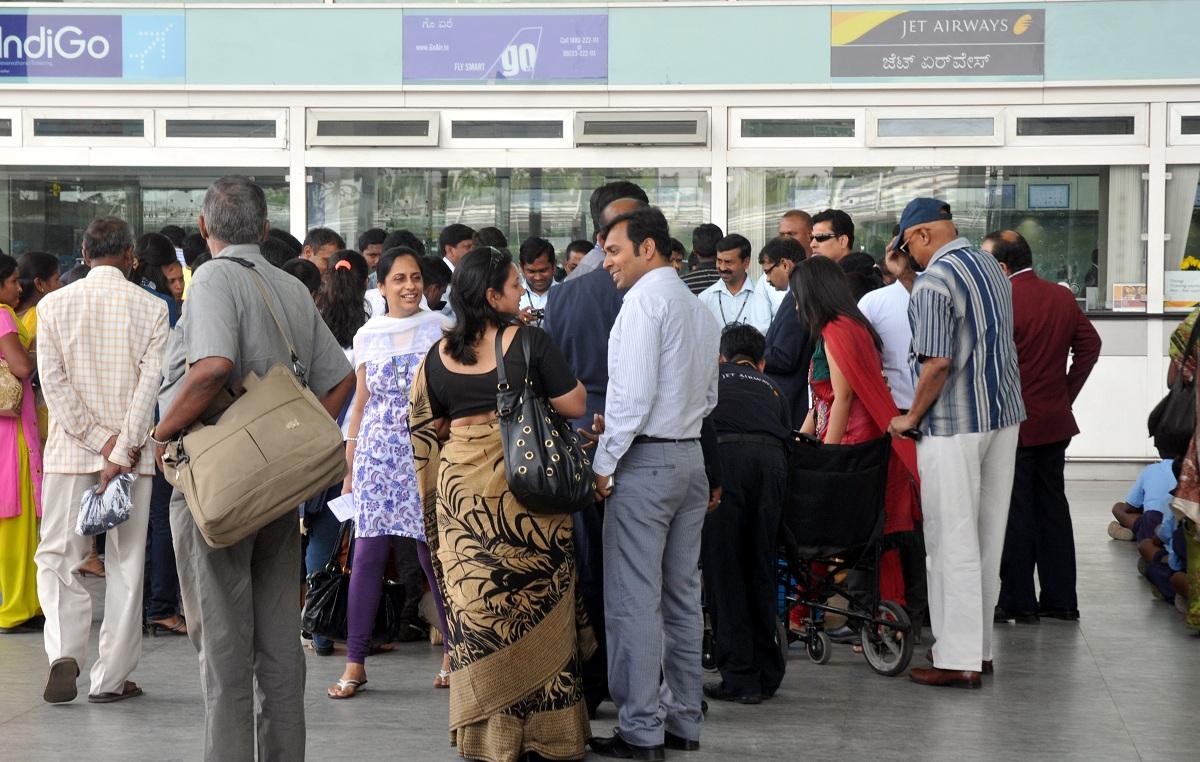
DGCA Withdraws Weekly Rest Rule as IndiGo Faces Widespread Flight Disruptions
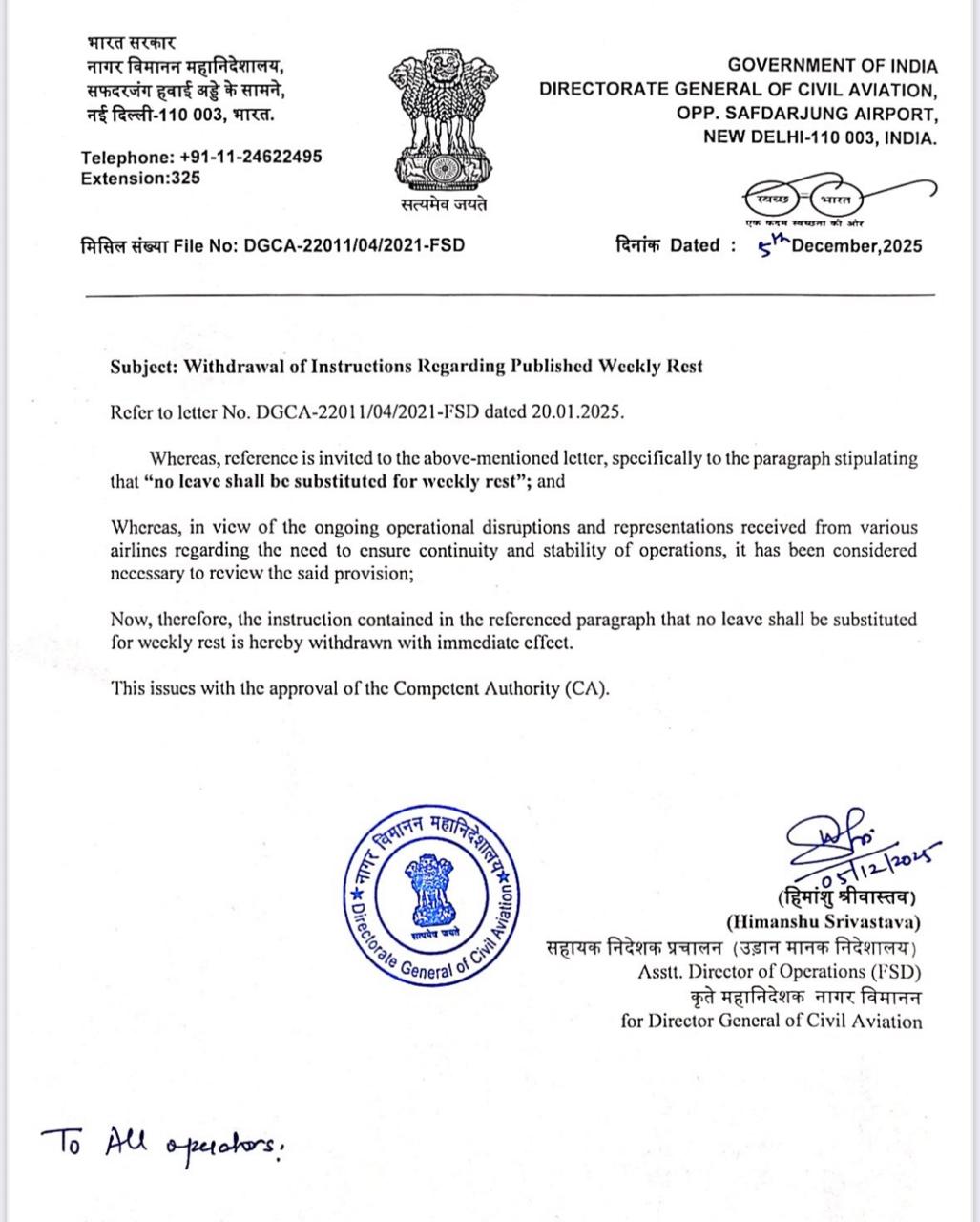
The Directorate General of Civil Aviation (DGCA) has withdrawn its instructions regarding weekly rest requirements for airline crew members. The decision follows growing operational challenges and staff shortages that have led to extensive disruptions for IndiGo passengers.
The regulator stated that, in light of ongoing issues and submissions from multiple airlines, the instruction preventing the substitution of weekly rest with leave has been removed with immediate effect. IndiGo had earlier sought temporary relaxations for two months.
Why IndiGo flights are disrupted
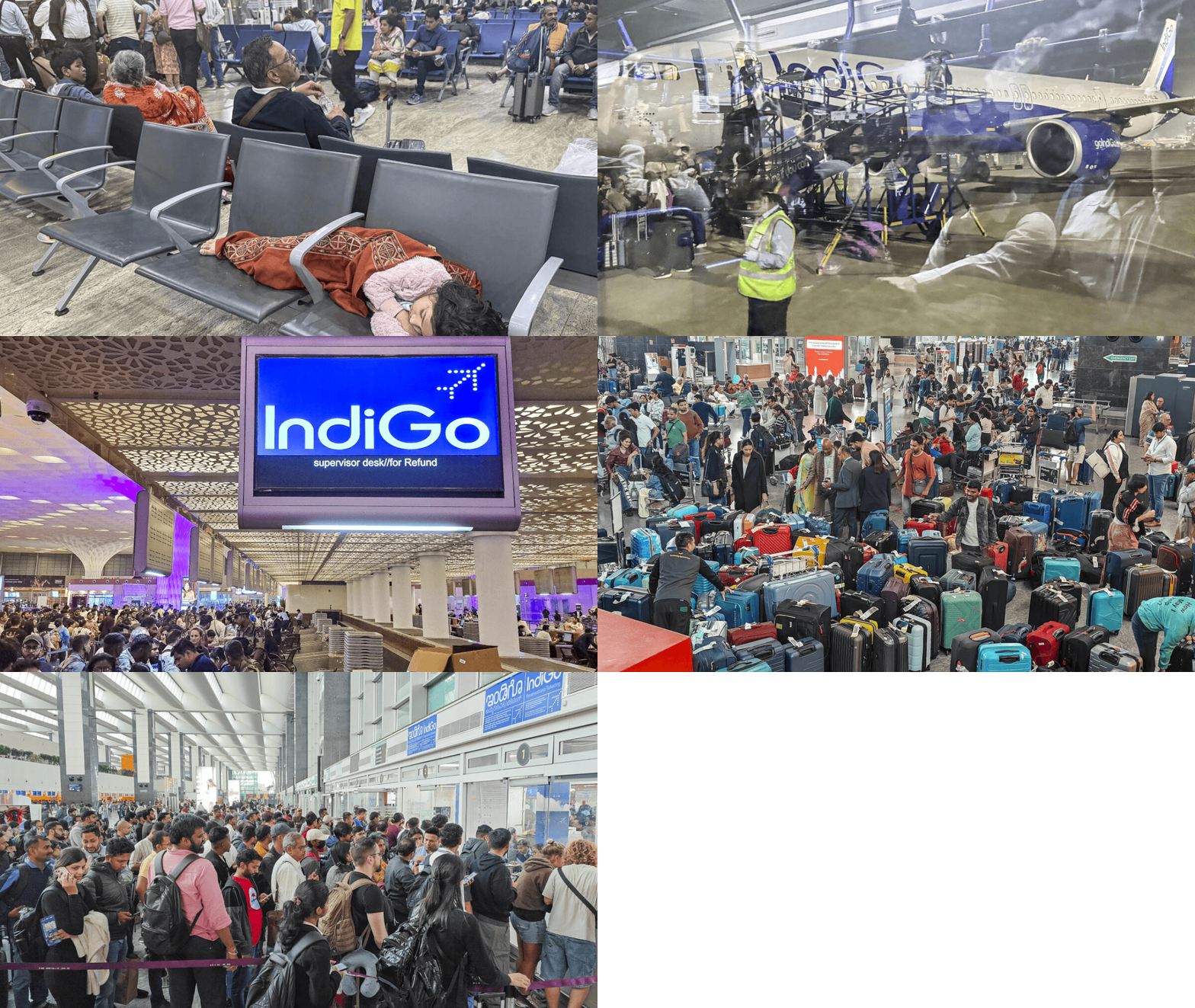
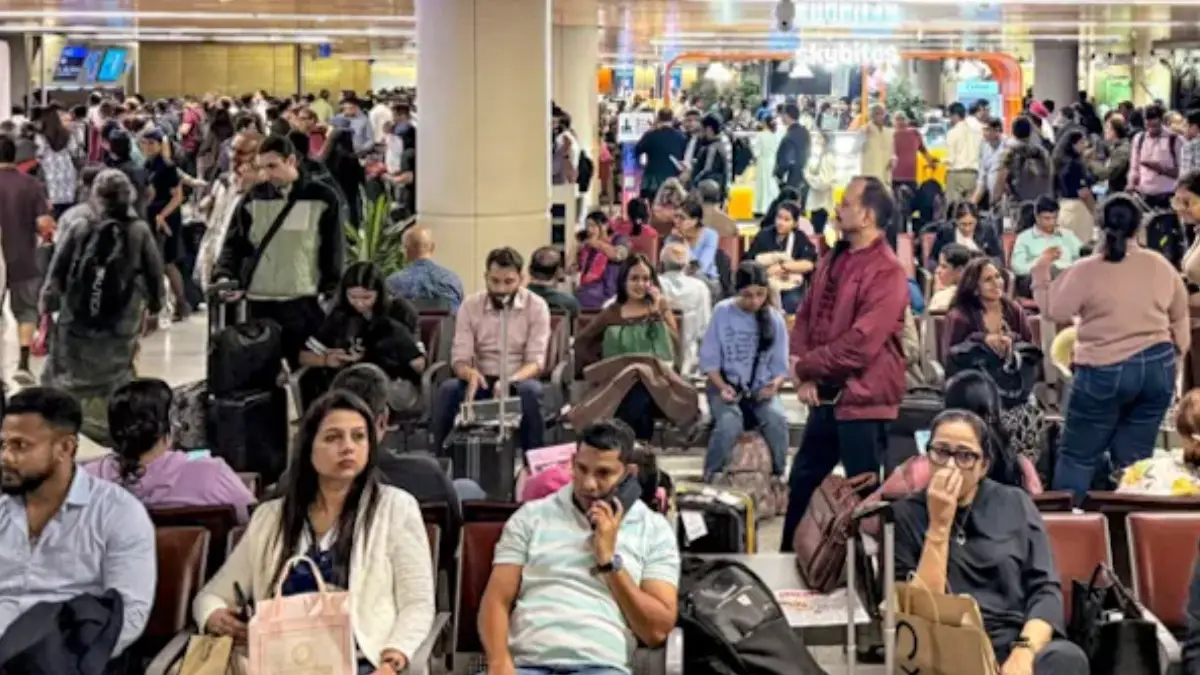
IndiGo has been dealing with a large number of delays and cancellations, primarily due to crew shortages linked to the implementation of revised Flight Duty Time Limitation (FDTL) norms. Thousands of passengers have faced long waits or been stranded across airports.
On Friday, nearly 500 scheduled flights were estimated to have been cancelled, and all domestic departures from Delhi—IndiGo’s largest hub—were suspended until midnight.
The airline has said it expects operations to stabilise by February 10. DGCA noted that IndiGo is working to improve crew rostering, enhance coordination with ATC and airports, and strengthen turnaround and disruption-handling processes.
The second phase of the revised duty and rest regulations came into effect last month. The airline appears unprepared for the impact of these changes.
Extent of delays across the network
On December 3, only 19.7% of IndiGo’s flights departed on time, down from 35% a day earlier and around 50% on Monday. Airports nationwide have faced congestion, with social media posts capturing passenger frustration over long delays, last-minute cancellations, and the need to switch to more expensive flights with other carriers.
DGCA has asked IndiGo to provide detailed explanations for the disruptions and outline its corrective steps. While the revised FDTL norms apply to all airlines, IndiGo has been significantly more affected due to its extensive network, dense scheduling, and high-utilisation model.

Other airlines are currently operating below their optimal utilisation levels due to aircraft delivery delays or grounded planes undergoing modifications, giving them more flexibility in crew scheduling.
Impact of the revised FDTL rules
The updated norms extend weekly rest for pilots from 36 to 48 hours and reduce the permitted number of night landings from 6 to 2. The broader definition of night hours has further tightened scheduling.
These changes aim to address fatigue concerns and enhance safety. Although initially planned for a June 2024 rollout, airlines requested delays to hire more crew. After a Delhi High Court directive, the rules were implemented in two phases, starting in July and November.
IndiGo managed the first phase with limited disruption. However, the second phase—which restricts crew utilisation on overnight operations—has had a significant operational effect. The airline’s dependence on high-frequency routes and lean staffing has left limited room for adjustment.
Operational scale and cancellations
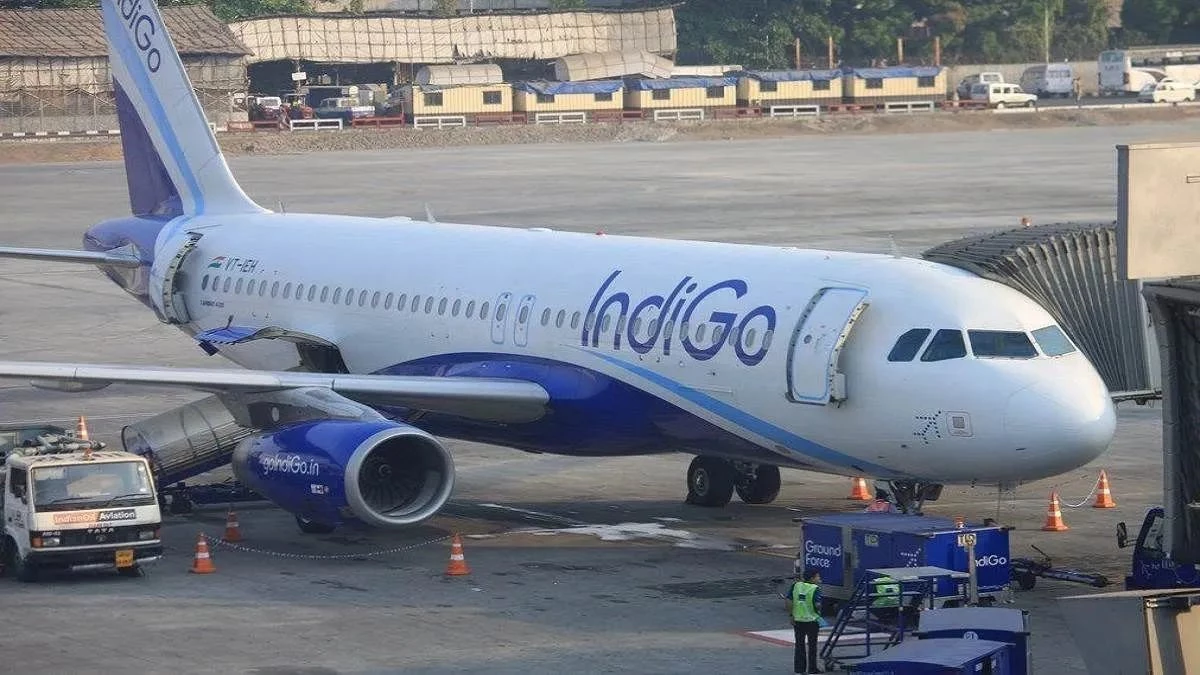
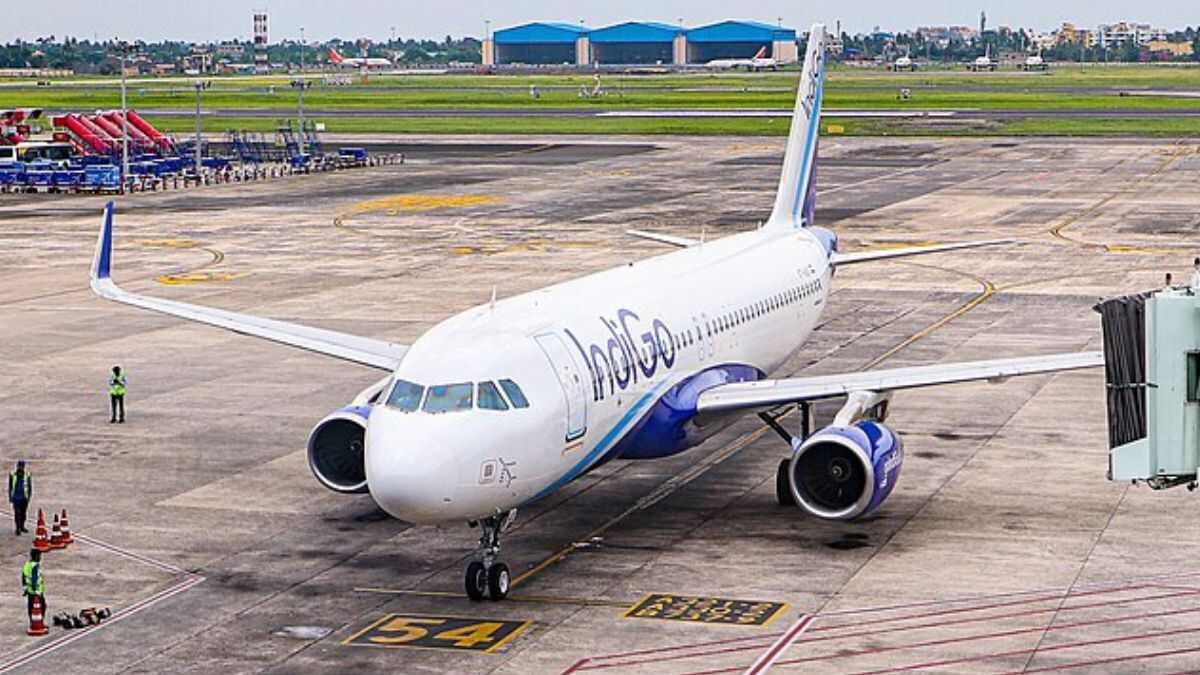
IndiGo operates more than 400 aircraft and over 2,300 flights daily across 90 domestic and 45 international destinations. A 10% cancellation rate amounts to more than 230 flights cancelled each day, a level unmatched by any other Indian carrier. By comparison, the Air India group operates fewer than half as many flights.
DGCA data shows that IndiGo recorded 1,232 cancellations in November. Of these:
755 were due to crew and FDTL constraints
258 were due to airspace and airport restrictions
92 were caused by ATC system failures
127 stemmed from other operational issues
IndiGo’s on-time performance fell to 67.7% in November, down from 84.1% in October, before dropping further in early December.
The airline attributed disruptions to a combination of technology issues, winter schedule changes, weather constraints, rising congestion, and the full enforcement of the revised duty rules.
Pilot associations raise concerns
Pilot bodies have criticised IndiGo for what they describe as limited preparedness for the new FDTL norms. The Airline Pilots’ Association of India (ALPA) suggested that the disruptions point to planning gaps and warned that such issues could be used to seek regulatory leniency.

The Federation of Indian Pilots (FIP) said the ongoing turmoil reflects the airline’s long-running lean manpower strategy. According to the group, IndiGo maintained a hiring freeze, entered non-poaching agreements, and kept pilot pay unchanged despite having two years to prepare for the transition. It also claimed that the airline reduced leave after Phase 1 and attempted to buy back leave after Phase 2, affecting crew morale.
The unions have urged DGCA to approve seasonal schedules only after airlines demonstrate adequate pilot strength under the revised norms, rather than relying on historical slot usage.
FIP also suggested that if IndiGo continues to face operational pressures due to staffing decisions, the regulator should consider reallocating its airport slots to airlines such as Air India and Akasa Air, which are currently operating more consistently during peak travel and fog season.















Leave a comment