
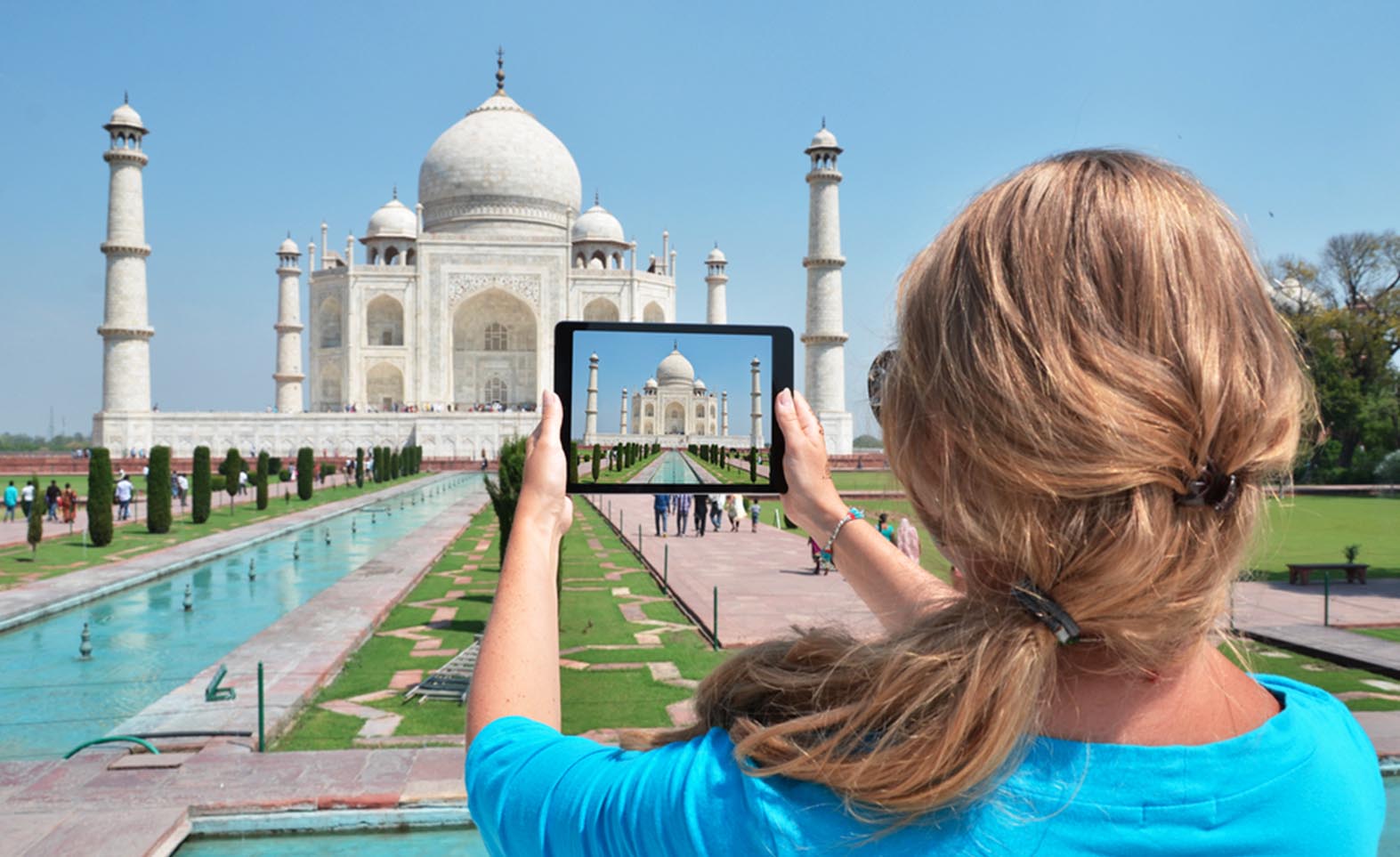
India’s travel and tourism sector will become the fourth-largest domestic travel market by 2030. As projected by McKinsey & Company, factors such as rising disposable incomes, a growing middle class, and significant investments in infrastructure are driving this growth. Despite challenges from the COVID-19 pandemic, the sector is recovering robustly, emphasizing the nation’s efforts to promote domestic tourism. However, international travel spending still lags behind pre-pandemic levels.
/safari-india/media/media_files/f9GXIYKaYDOOxz0sEtP8.jpeg)
Growth Trends
India’s travel and tourism sector is expected to experience significant growth and is projected to become the fourth-largest domestic travel market by 2030. This forecast underscores the sector’s resilience and expansion despite ongoing challenges from the COVID-19 pandemic.
Factors Driving Growth
The primary factors propelling this growth include increasing disposable incomes, a burgeoning middle class, and improved connectivity through infrastructure development. These factors are anticipated to boost significantly domestic travel spending and elevate India’s global travel market rankings.
Post-Pandemic Recovery
The World Travel & Tourism Council’s (WTTC) 2024 report indicates that India’s travel and tourism sector has noticeably recovered. However, international travel spending remains below pre-COVID levels, highlighting the significance of enhancing domestic tourism to maintain growth momentum.
Strategic Developments
To achieve the projected growth, India is concentrating on several strategic initiatives:
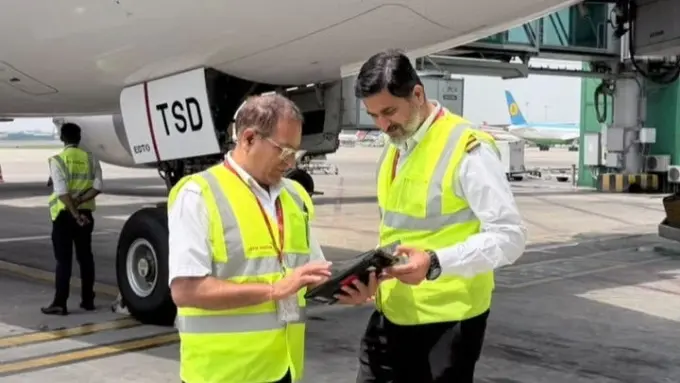
– Infrastructure Enhancement: Key investments in transportation infrastructure, including airport expansions and enhanced road and rail connectivity, are essential.
– Promotional Campaigns: Collaborative efforts between the government and the private sector to implement targeted marketing campaigns to promote lesser-known destinations within the country.
– Technology Integration: Adoption of digital solutions for seamless travel experiences, such as online booking systems and mobile apps for travel information and services.
Challenges Ahead
Despite the positive outlook, several challenges need to be addressed to ensure sustained growth:
– Infrastructure Gaps: Continued investments are necessary to address existing infrastructure deficiencies.
– Policy Support: Consistent policy support and regulatory frameworks are essential to creating a favourable environment for the travel industry.
– Sustainability Concerns: Balancing growth with sustainability is crucial to preserve natural and cultural heritage sites.
/safari-india/media/media_files/XIHd9n9WvGhAxk97lTGL.jpg)
Conclusion
India’s potential to become the fourth-largest domestic travel market by 2030 reflects the dynamic nature of its travel and tourism sector. By leveraging growth drivers and tending to challenges, India can achieve this milestone and further solidify its position in the global tourism landscape.