

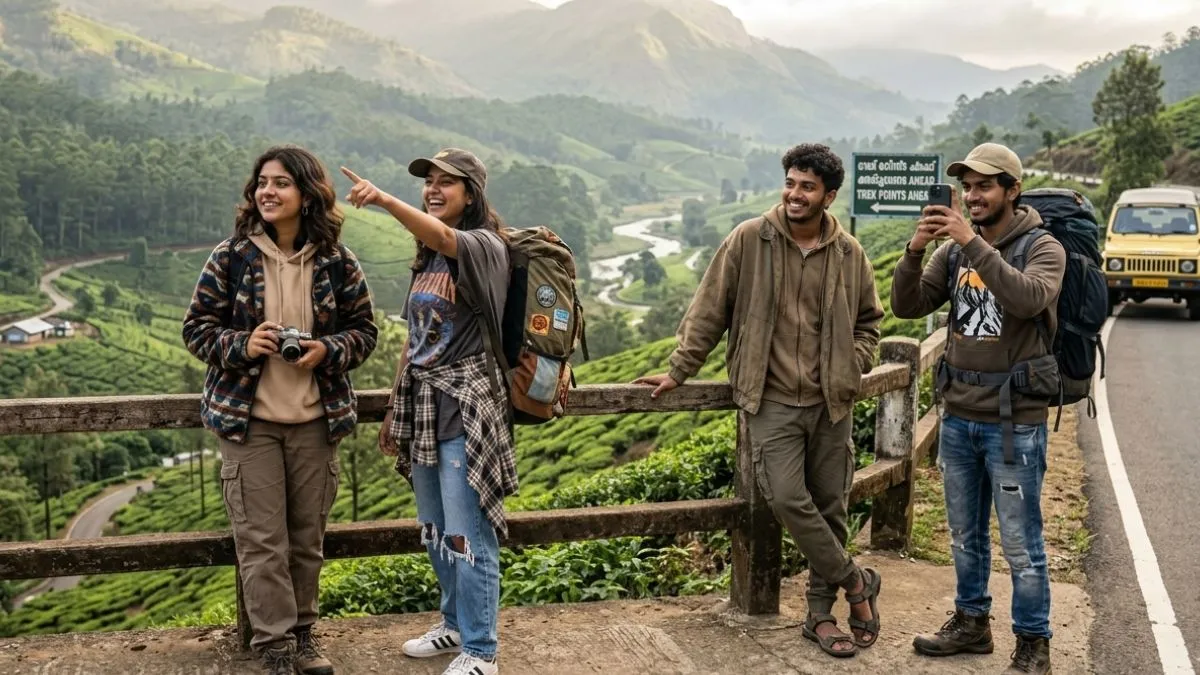
Short Trips, Big Experiences: Why Amusement & Entertainment Hubs Are Redefining Leisure for the Weekend Generation
By- Dhimant Bakshi, CEO, Imagicaaworld Entertainment Limited

Short Trips, Big Experiences: Why Amusement & Entertainment Hubs Are Redefining Leisure for the Weekend Generation
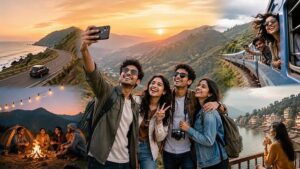
Leisure culture is undergoing a significant transformation. Long vacations are increasingly being replaced by compact, experience-rich getaways that align with fast paced modern lifestyles. Millennials and Gen Z consumers, balancing demanding schedules and digitally connected lives, are seeking short escapes that offer maximum engagement within limited timeframes. As a result, weekend travel is witnessing a major shift. Travelers are increasingly gravitating toward amusement parks, entertainment districts, and recreational hubs located within driving distance of their cities. These destinations combine entertainment, dining, adventure, shopping, and social experiences into one seamless getaway, making them ideal for quick yet fulfilling escapes from everyday routines.
Recent travel trends reflect this growing preference. Nearly 71% of road trips in India were under two days, highlighting the rapid rise of weekend-led leisure travel.
Why Entertainment Hubs Are Winning
Modern amusement and entertainment destinations are no longer limited to roller coasters or arcade games. They have evolved into integrated leisure ecosystems that offer visitors a wide range of immersive experiences under one roof. From themed attractions and live entertainment to food experiences, nightlife, and retail, these destinations are designed to deliver convenience, variety, and high engagement.
This “all-in-one” model aligns strongly with the expectations of younger audiences who value flexibility and diverse experiences without investing significant travel time.
Industry growth numbers further underline this momentum. The global attractions industry witnessed record participation at the 2025 IAAPA Expo, where over 43,840 attendees from 102 countries gathered to explore the future of theme parks and immersive entertainment experiences.
Experience Has Become the New Luxury
For younger generations, experiences increasingly hold greater value than material ownership. Today’s travellers are seeking memorable moments, emotional connections, and shareable experiences that create lasting impressions.
Social media platforms such as Instagram, TikTok, and YouTube have further accelerated this shift. Entertainment destinations are now being designed not only for physical engagement but also for digital storytelling. Visually immersive attractions, themed environments, and interactive moments encourage visitors to capture and share their experiences online.
Technology Is Transforming Leisure
Technology is playing a defining role in reshaping modern entertainment experiences. Amusement and entertainment hubs are increasingly integrating innovation to create highly immersive and personalized visitor journeys.
Some of the key trends shaping the industry include:
- Virtual reality attractions
- AI-powered guest experiences
- Interactive storytelling environments
- Gamified entertainment zones
- Smart ticketing and facial-recognition systems
The integration of technology is helping local leisure feel cinematic and larger than life. Visitors can now experience immersive worlds, simulated adventures, and hyper-interactive environments without needing to travel internationally.
The Shift Toward Local and Sustainable Travel
Younger travellers are becoming increasingly conscious of both environmental impact and financial practicality. Short-distance travel reduces transportation costs and carbon footprints while still offering the emotional satisfaction of a vacation.
Instead of flying internationally, many consumers now prefer drivable destinations or nearby urban entertainment zones. This trend is particularly visible in India, where road-trip culture and weekend tourism continue to grow rapidly among millennials and Gen Z travellers.
The pandemic further accelerated this behavioural shift. Consumers became more comfortable exploring nearby destinations and realized that meaningful leisure experiences do not necessarily require long-distance travel.
The pandemic also accelerated this behavioural change. Consumers became more comfortable exploring nearby destinations and realized that meaningful leisure experiences do not necessarily require long-distance travel.
Entertainment Hubs as Social Ecosystems
Modern entertainment destinations are also evolving into social ecosystems designed to cater to multiple demographics simultaneously. Families, friend groups, couples, and young travellers are all looking for layered experiences that accommodate different interests within a single destination.
Developers are increasingly creating mixed-use entertainment districts that combine hotels, malls, theme parks, event spaces, and recreational venues into integrated leisure destinations. The objective is to maximize visitor engagement and encourage longer stays and repeat visits.
This reflects a broader shift in consumer behaviour: people are increasingly seeking “dense experiences” destinations where multiple forms of recreation, entertainment, and social interaction can be enjoyed within a compact timeframe.
The Future of Leisure Is Short, Immersive, and Experience-Driven
The rise of amusement and entertainment hubs signals a larger cultural evolution in the way consumers perceive leisure. For the weekend generation, luxury is increasingly defined by convenience, emotional value, immersion, and memorable shared experiences.
As urban lifestyles become busier and attention spans continue to shrink, compact leisure experiences are expected to gain even greater relevance. Entertainment hubs are uniquely positioned to thrive because they combine accessibility with excitement, technology with storytelling, and recreation with human connection.
Short getaways are no longer viewed as compromises. For millions of modern travellers, they have become the preferred way to disconnect from routine, reconnect socially, and create meaningful memories, all within the span of a single weekend.










Leave a comment