

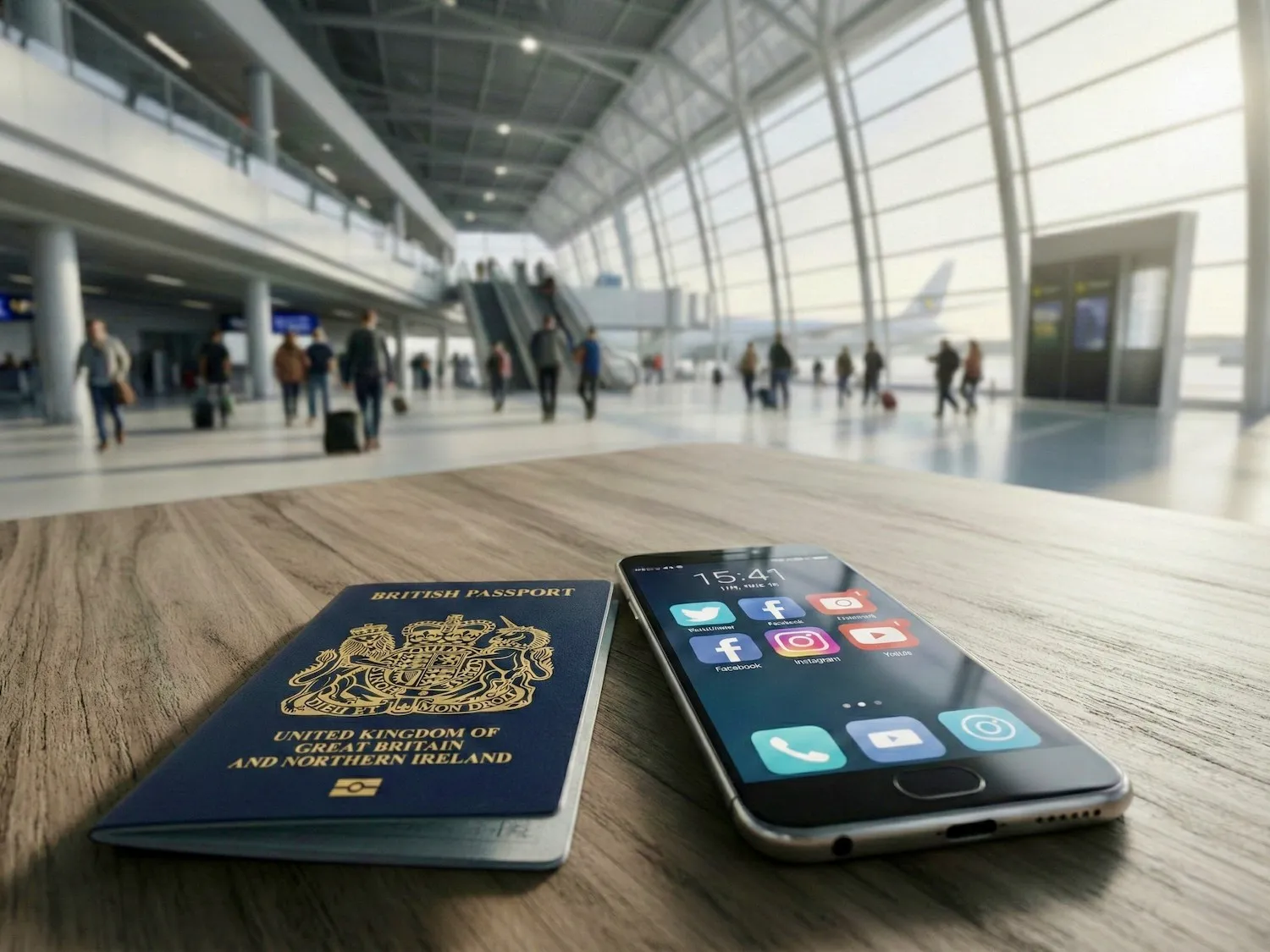
WTTC Warns Proposed U.S. ESTA Changes Could Reduce International Travel Demand and Jobs
World Travel & Tourism Council (WTTC) has released new research indicating that proposed changes to the U.S. ESTA programme—specifically the requirement for expanded social media disclosures—could reduce international travel demand and have a measurable economic impact on the U.S. Travel & Tourism sector.
According to the findings, one in three international travellers says they would be less likely to visit the United States if the changes are implemented. WTTC estimates that this shift in sentiment could result in the loss of up to 157,000 jobs, equivalent to the number typically created in a single quarter in the U.S. economy.
The research is based on a multi-country survey of travellers from ESTA-eligible markets, combined with economic impact modelling assessing potential effects on international arrivals, visitor spending, tourism-related GDP, and employment in the United States. The analysis was conducted in partnership with GSIQ and Oxford Economics.
WTTC’s data show that awareness of the proposed policy is already widespread, with 66% of respondents reporting familiarity with the potential changes. Around 34% said they would be somewhat or much less likely to visit the U.S. in the next two to three years if the policy is introduced, compared with 12% who said they would be more likely to visit.
Beyond changes in travel intent, the research highlights perception challenges. A larger share of respondents said the policy would make the U.S. feel less welcoming and less attractive to both leisure and business travellers. Many also believe the changes would have little impact on personal safety or could make them feel less safe while travelling in the country.

Commenting on the findings, Gloria Guevara, President and CEO of WTTC, said that while border security is important, the proposed changes could negatively affect job creation and economic activity. She noted that even modest shifts in visitor behaviour could have significant consequences in a competitive global tourism market.
When compared with other major destinations, including the UK, Japan, Canada, and Western Europe, the proposed U.S. entry policy is viewed by travellers as more intrusive, potentially placing the country at a competitive disadvantage.
WTTC’s modelling suggests that under a high-impact scenario, the U.S. could see 4.7 million fewer international arrivals from ESTA countries in 2026, a 23.7% decline relative to a business-as-usual scenario. Associated losses could include USD 15.7 billion in visitor spending, USD 21.5 billion in Travel & Tourism GDP, and up to 157,000 jobs. These impacts would further weaken inbound travel performance, following an estimated loss of 11 million international visitors between 2019 and 2025.
WTTC has urged U.S. policymakers to carefully consider the potential economic and employment implications of the proposed ESTA changes, highlighting the role of Travel & Tourism in driving economic growth, jobs, and international connectivity.

















Leave a comment