

Luxury Travel Trends Reshape Asia Pacific: New Report
Marriott Report Identifies Four Luxury Travel Mindsets
A new report by the Luxury Group by Marriott International shows that luxury travel preferences among Gen Z travellers in Asia Pacific are becoming more diverse, challenging the idea that younger travellers share a single approach to travel.
The study, based on responses from 2,800 affluent travellers across eight Asia Pacific markets, including 1,200 Gen Z respondents aged 18 to 29, found that travel decisions are increasingly shaped by personal interests, wellbeing, culture and meaningful experiences rather than age alone.
According to the report, luxury travel is becoming more personalised, with travellers prioritising experiences that reflect their lifestyles and values.

Oriol Montal, Regional Vice President of Luxury, Marriott International Asia Pacific excluding China, said affluent Gen Z travellers are redefining luxury by focusing on meaningful experiences, wellbeing and authentic connections rather than traditional luxury expectations.
Four Luxury Travel Mindsets
The research identifies four distinct luxury travel profiles among Gen Z travellers:
Connoisseur Traditionalist (34%)
This group values established luxury brands, personalised service, recognised hospitality standards and carefully planned itineraries. Brand reputation and loyalty programmes remain important factors when choosing accommodation.
Future Proofer (30%)
Well-being is the main priority for this segment. Travellers seek destinations that offer wellness facilities, nature-based experiences and opportunities to improve their physical and mental wellbeing during their stay.
Quiet Luxurist (20%)
For these travellers, luxury means privacy and disconnection. They prefer boutique hotels, private villas, and lesser-known destinations where they can reduce their use of technology and enjoy quieter experiences.
Cultural Reclaimer (16%)
This group places importance on heritage, cultural exploration and family connections. Their travel plans often include destinations linked to family history, local traditions and immersive cultural experiences.
Experiences Shape Destination Choices
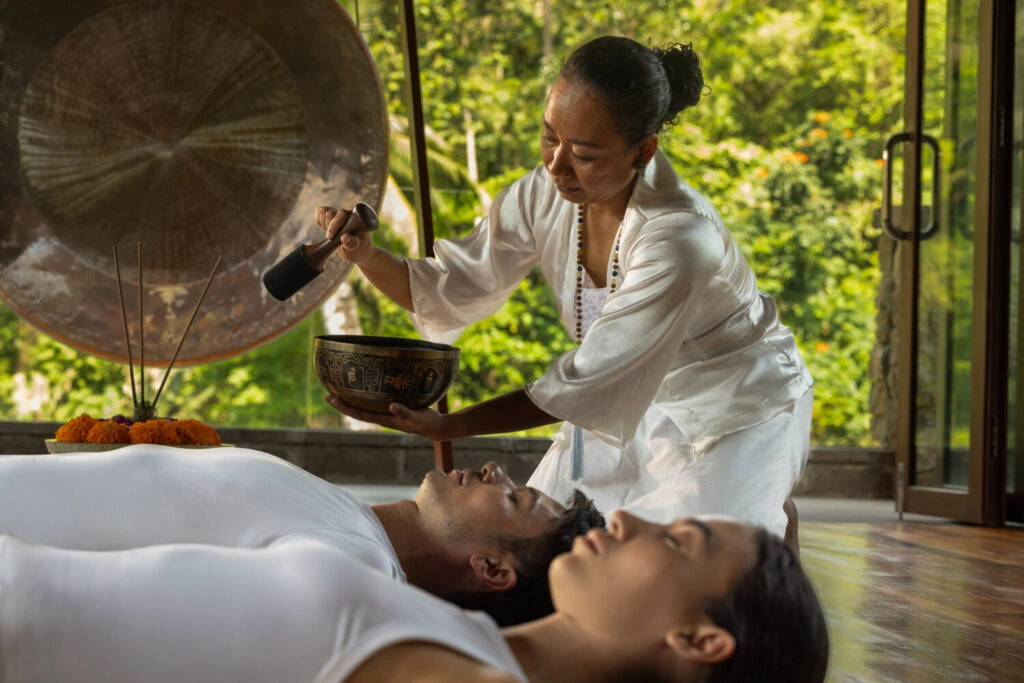
The report found that 87% of respondents consider cultural experiences and engagement with local communities when selecting a destination.
Food also plays an important role, with 86% influenced by local cuisine, while the same percentage prioritise destinations close to nature. 85% of respondents consider wellness experiences important.
Technology is also becoming part of the planning process, with 23% already using artificial intelligence tools to research and organise their trips.
Longer Holidays with Greater Focus

Beyond Gen Z, the report suggests that affluent travellers across the Asia-Pacific region are taking fewer holidays but spending more time at each destination.
The average length of international leisure trips is expected to increase from seven to nine nights, reflecting a growing preference for deeper, more meaningful travel experiences rather than frequent short breaks.
The findings indicate that luxury travel continues to evolve as travellers place greater importance on personalised experiences, cultural engagement, wellbeing, and seamless service throughout their journeys.
For more travel and tourism content, follow Safari India.













Leave a comment