

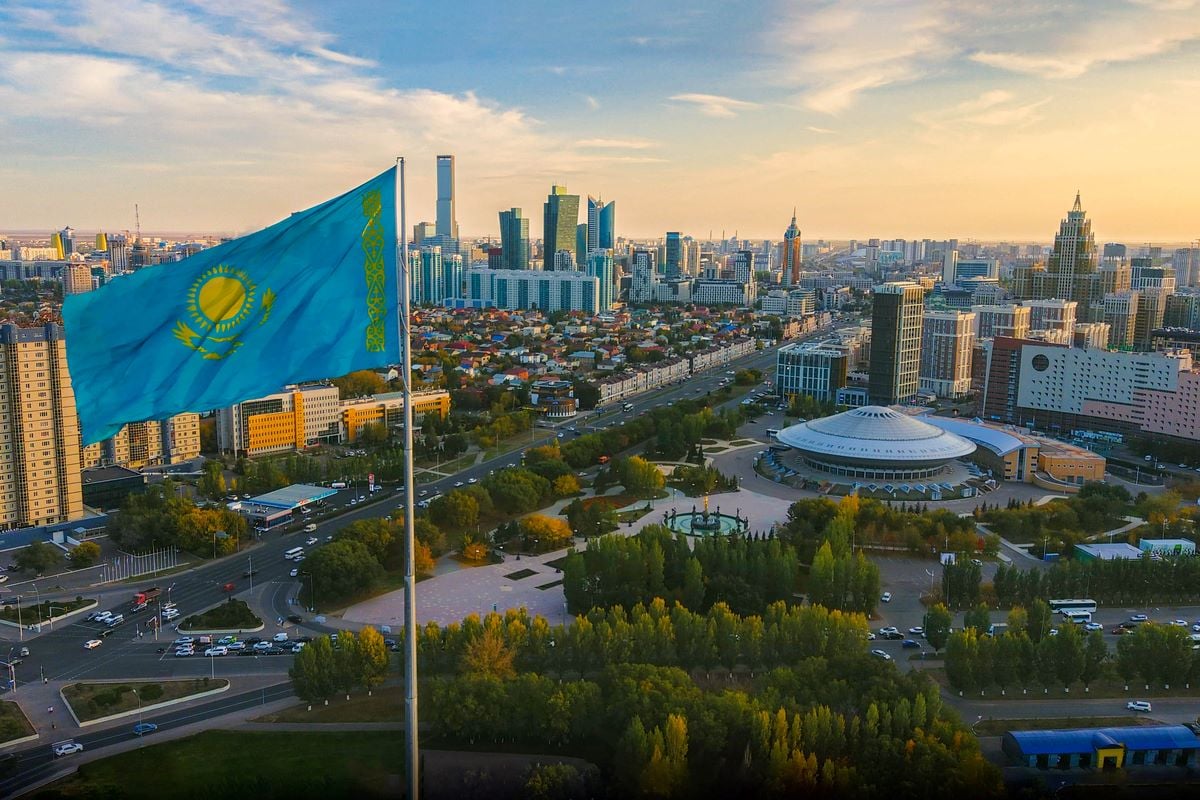
Aviation growth supports Kazakhstan’s economy

Aviation sector drives jobs and investment in Kazakhstan
The International Air Transport Association has outlined the contribution of air transport to Kazakhstan’s economy, highlighting its role in supporting jobs, tourism and broader economic activity.
In Kazakhstan, aviation directly employs around 44,700 people and generates USD 2.1 billion in economic output, accounting for approximately 0.8% of GDP. When including supply chains, employee spending and tourism, the sector contributes an estimated USD 6.4 billion to GDP and supports more than 191,000 jobs.
Tourism linked to aviation adds USD 356 million to GDP and supports around 15,000 jobs. International visitors contribute a further USD 2.6 billion annually through spending on local goods and services.

According to Rafael Schvartzman, Kazakhstan has the potential to strengthen its position as a regional hub by investing in infrastructure, safety and sustainable aviation practices.
Key priorities for sector development

The report identifies several priorities for the sector’s continued development. Aligning with global safety and operational standards remains important, particularly as airlines such as Air Astana and SCAT Airlines expand international connectivity, including services to the European Union.
Investment in infrastructure is another key area. Passenger traffic has grown at an average rate of over 10% annually in recent years, with projects such as upgrades at Almaty Airport and plans for additional capacity in Astana supporting future demand.
Sustainable aviation fuel (SAF) is also identified as a long-term priority. While global SAF production remains limited, Kazakhstan has the potential to develop local production capacity, supported by available feedstock and export opportunities.
The findings indicate that continued investment and policy support will be important in maintaining growth, improving connectivity and strengthening the aviation sector’s contribution to Kazakhstan’s economy.














Leave a comment