

How Eco-Farm Communities Are Creating a New Category Between Tourism and Lifestyle
By: Nijish Nair, Founder & CEO, Swasya Living

How Eco-Farm Communities Are Creating a New Category Between Tourism and Lifestyle
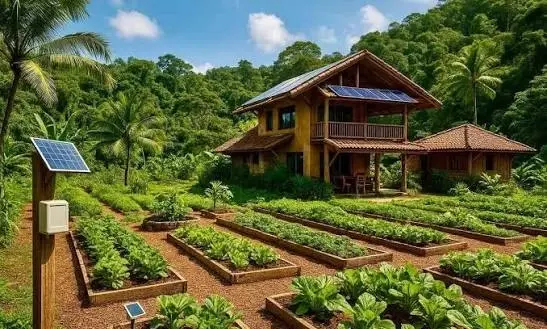
For most of India’s history, owning land meant choosing between two things. Either you farmed it for a living, or you bought it and left it alone, waiting for the price to climb. Neither option treated land as somewhere to actually spend time. A newer category is filling that gap now, land meant to be experienced and lived with rather than simply owned, built for people who want a real relationship with nature without giving up the comforts of city living. Someone might return to the same gate, the same stretch of native trees, the same small kitchen garden for the fourth time this year, not because they booked another stay, but because it’s theirs.
A Holiday That Doesn’t End When You Leave
The best of these eco-farm communities are built to work like a proper getaway first. Guided nature walks, meals built around whatever the farm is producing that week, and an evening around a fire that someone else has organised, none of it feels improvised. It’s planned with the same intention a good resort puts into a guest’s stay, minus the part where the stay ends on Sunday, and access disappears until the next booking. Wifi works, hot water works, and the comforts people expect from modern travel are all present. What’s different is that none of it is rented by the night.
Ownership That Feels Like Belonging, Not a Chore
Owning agricultural land in India has traditionally meant unclear titles, irrigation headaches and seasonal labour, none of it suited to someone with a day job in the city. Managed farmland has removed most of that friction. A professional team runs the cultivation and the upkeep, so what the owner actually experiences is closer to returning to a familiar retreat than managing a farm.
A weekend might mean hosting a family, picking vegetables from a plot that’s genuinely theirs, or watching a tree they planted three seasons ago finally bear fruit. When they’re not around, the property doesn’t just sit empty either. It’s listed and managed on short-term rental platforms, generating yields of roughly 8 to 12% a year, so the land keeps earning its keep even between visits.
Community tends to form the way it does on a good holiday: over shared meals, unplanned conversations near the farm kitchen, mornings that happen to overlap. The difference is that here, it has years to deepen instead of ending when a trip does.
People who buy into these projects tend to already care about a similar handful of things: sustainability, slower days and curiosity about where their food comes from. That overlap turns into real friendships fast. After a few seasons of weekend visits, a group of separate landowners can end up knowing each other the way people in an actual village do.
A Category the Brochure Can’t Quite Label
This is why eco-farm communities are awkward to file under either tourism or real estate. Both categories are growing fast underneath them. India’s agritourism sector is on track to more than double by 2030, and domestic travel volumes crossed nearly 2.95 billion trips in 2024 alone. Hybrid work is adding fuel too. Close to a third of India’s full-time workforce now spends part of the week outside a traditional office, and many are choosing to spend that flexibility somewhere green instead of in a spare room at home.
But the numbers only explain the appetite. What keeps people coming back is that the land improves the longer they’re part of it. Native afforestation, water conservation and regenerative farming aren’t added after the fact. They sit in the original masterplan, so the landscape someone buys into today is meant to look better in ten years, not just hold its price on paper.
That’s the real difference between visiting somewhere and belonging to it. A two-day trip ends when the itinerary does. This doesn’t. People keep returning because the land, and the people who chose it for the same reasons, are still there season after season, waiting to be picked up again exactly where they left off.












Leave a comment