


Boeing to Deliver Next-Generation MUOS Satellites for Secure Global Military Communications
Boeing has secured a contract worth up to $2 billion from the United States Space Force to support the next phase of the Mobile User Objective System Service Life Extension (MUOS SLE) programme.
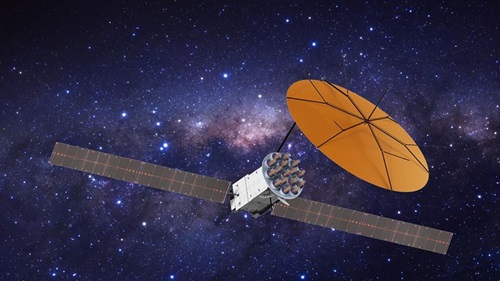
The contract includes the development of two narrowband military communications satellites designed to extend secure communications for military personnel operating worldwide. The first satellite is scheduled for delivery in 2031.
Supporting Secure Communications Worldwide
The MUOS SLE programme is designed to enhance and extend a critical communications network used by military personnel on land, at sea and in the air. The satellites will provide reliable voice and essential data connectivity, particularly in challenging environments where communication links are difficult to maintain.
The new system aims to improve communications capacity, reduce interference and strengthen connectivity for global military operations.
Built on Boeing’s Proven Spacecraft Platform
The satellites will be built using Boeing’s 702MP medium-class spacecraft platform, which has been used for multiple satellite missions. Boeing also developed and delivered payloads for the current MUOS satellite constellation, bringing decades of experience in Ultra High Frequency (UHF) communications.
UHF technology enables secure communications in difficult terrain, dense urban environments and severe weather conditions where other communication systems may face limitations.
Building on Existing Production Experience
Boeing said the programme benefits from its active production line for the 702MP spacecraft, with several satellites delivered since late 2025. The company believes this manufacturing experience will support efficient programme execution and reliable delivery for the U.S. Space Force.
The MUOS SLE programme is expected to strengthen secure military communications capabilities while supporting long-term operational requirements for defence users worldwide.
For more travel and tourism content, follow Safari India.















Leave a comment