


Heritage Travel in India Moves to the Centre of Trip Planning
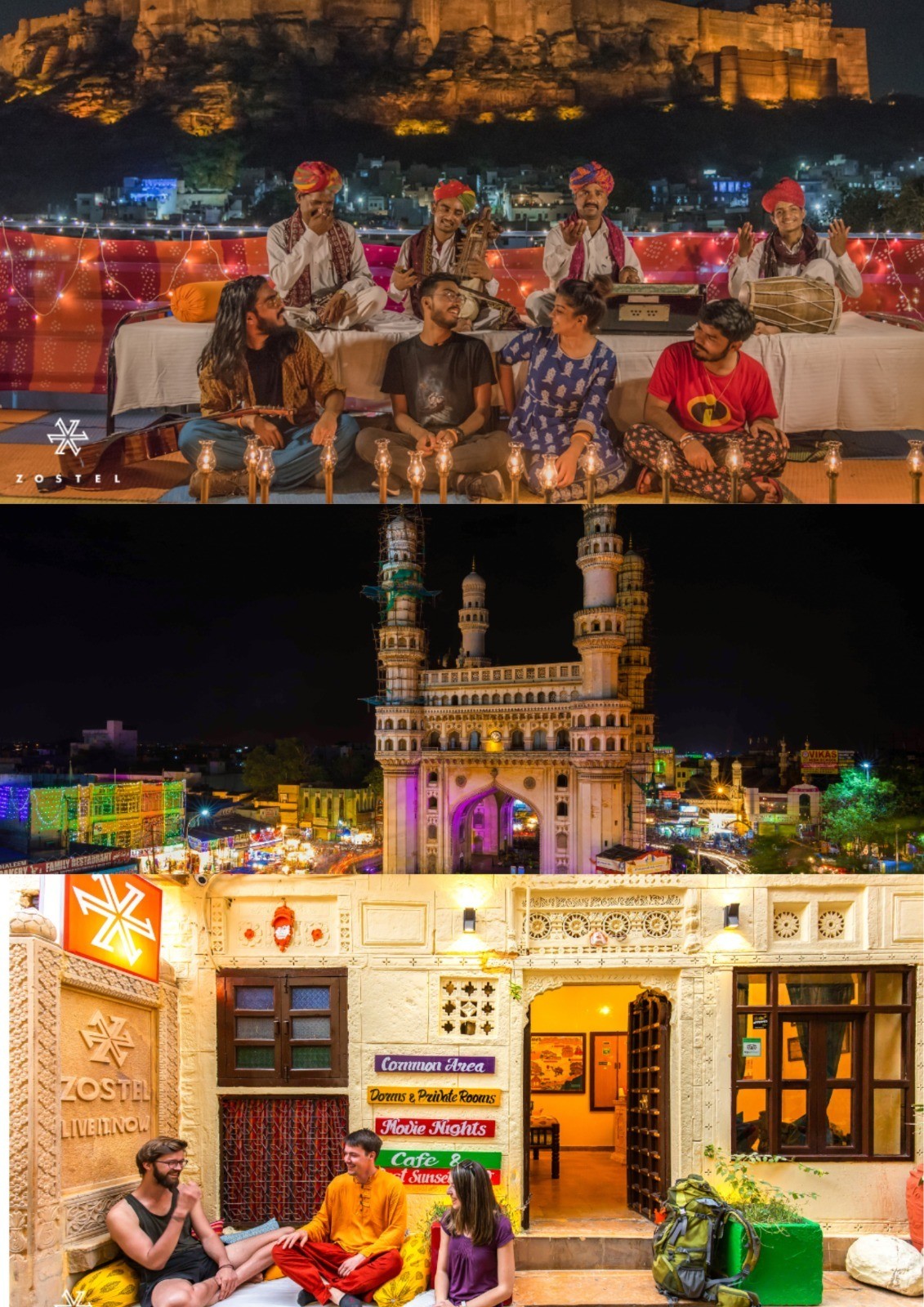
Zostel data shows heritage destinations reshaping travel choices across India
Heritage travel in India is gaining clear traction, and the data is beginning to reflect that shift. Places that were once brief stops are now shaping entire itineraries, and around World Heritage Day, the trend is becoming more evident.
The numbers point to steady growth. Around 14.9% of all bookings, roughly one in seven trips, are now directed towards heritage destinations, marking the highest share in the past three years. Volumes have also risen, with bookings increasing to 83,235 in FY 2025–26 from 67,788 in FY 2023–24. The pattern suggests a consistent change rather than a short-term spike.
Insights from Zostel’s 16 heritage city properties offer a closer view of this shift. Nearly 60% of zostel bookings are made directly through its website and app, above the industry average for budget hospitality. This indicates that travellers are making deliberate choices, often returning to the same platform to plan these trips.
The traveller mix is also evolving. Heritage properties report a 48% increase in international guests, particularly from the UK, Germany and France. These visitors tend to stay longer, spending 14% more time on average than domestic travellers.
Budget travellers, traditionally associated with shorter stays and cost-driven decisions, are also changing their behaviour. They are booking further in advance and staying longer at heritage destinations. The high rate of direct bookings suggests these trips are planned with intent, with the destination forming the core of the itinerary.
The way travellers engage with these locations is also shifting. Rather than following fixed itineraries, many are choosing a slower pace, exploring local food, staying within historic districts and spending more time at sites. This approach reflects a preference for experience over speed.
Repeat travel supports this trend. Around 25.9% of guests return within 24 months, meaning one in four travellers revisit. Accessibility also plays a role, with six of India’s 44 UNESCO World Heritage Sites located near Zostel properties, making these destinations easier to include in travel plans.
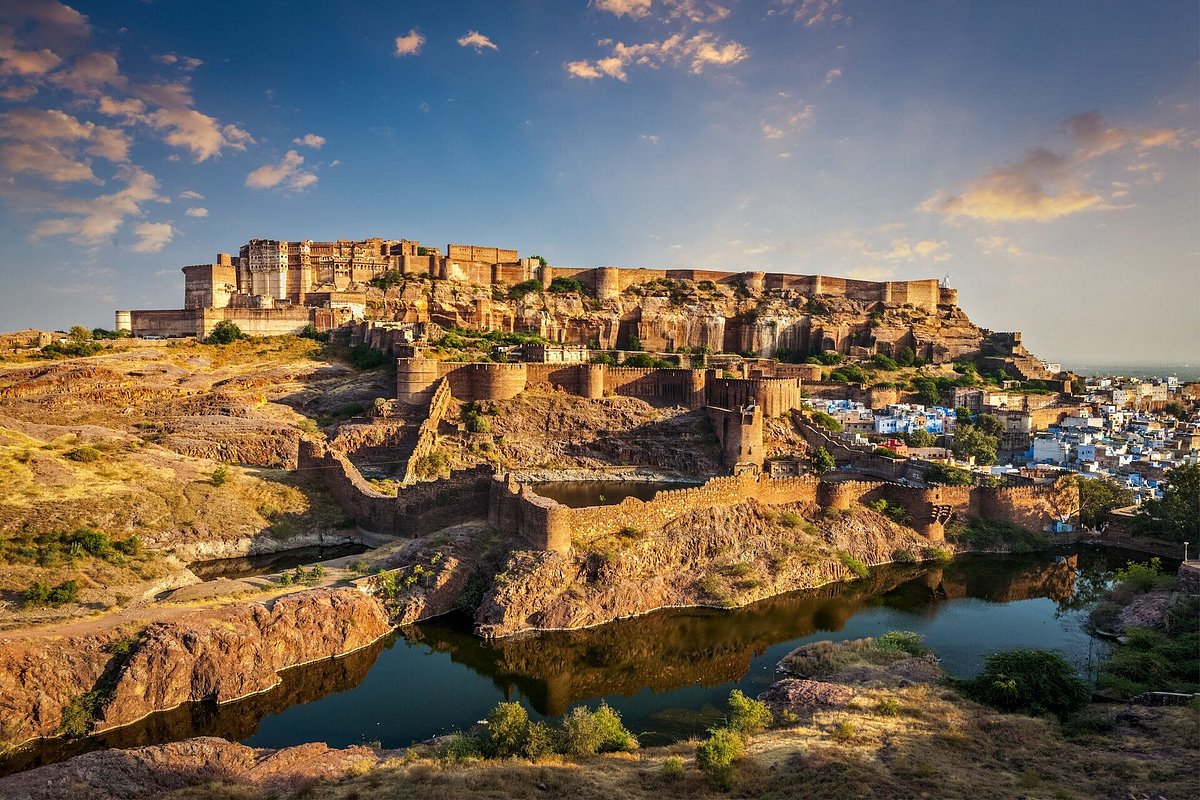
Regional preferences highlight where demand is concentrated. Jodhpur leads with 14,065 bookings, followed by Jaipur at 12,615 and Hyderabad at 12,162. Landmarks such as Mehrangarh Fort, the Walled City of Jaipur, Charminar and Golconda Fort continue to draw consistent interest. Hampi recorded 9,738 bookings and saw a 15.7% year-on-year increase, while Udaipur, with 8,391 bookings, completes the top five.
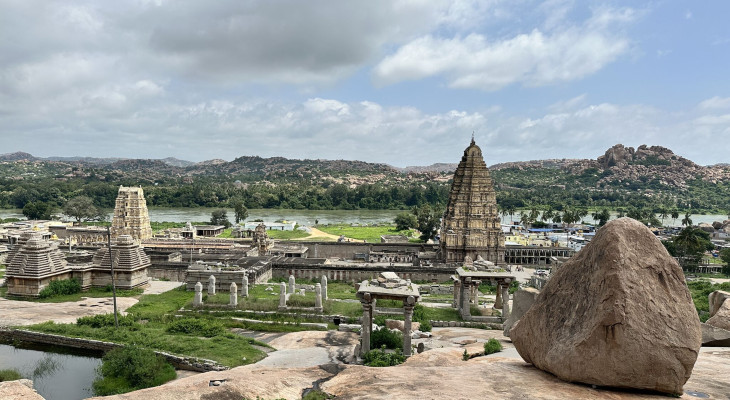
Hampi’s growth reflects a wider shift in travel patterns. Once less visited compared to other heritage destinations, it is now attracting increased attention from budget travellers. This indicates a gradual shift away from established circuits, with more travellers exploring a wider range of heritage sites.
Seasonality continues to influence demand. More than half of all heritage bookings take place between October and February, aligning with India’s cultural events calendar. Events such as the Pushkar Fair, Hampi Utsav, and Taj Mahotsav drive travel during this period, shaping demand around experiences rather than promotions.
Overall, the direction is clear. Travellers are staying longer, returning more frequently and planning their trips with greater intent. Direct bookings are increasing, and heritage travel is becoming a central part of decision-making rather than an add-on. Around World Heritage Day, the focus often turns to preservation, but the more immediate shift is in behaviour—heritage destinations are now a primary reason for travel, not a secondary stop.















Leave a comment