

From Lisbon to Wayanad: A Portuguese Family Finds Familiar Notes in Malabar
When the Ferreira family—João, Marina, and their 14-year-old daughter Beatriz—planned a holiday in Kerala, they imagined the region’s famous landscapes: backwaters, coconut trees, and a houseboat. What they didn’t anticipate was something far more homely—flavours that echoed nostalgia.
Their journey took them from Kochi’s Portuguese quarters to the cool hills of Wayanad. On their first night at Sterling Wayanad, a team member smiled and said,
“You must try The Malabar.”
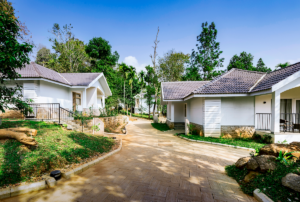
Inside, the restaurant felt warm and inviting, its décor referencing Kerala’s legendary spice routes. The family chose three dishes—each one revealing an unexpected thread of connection.
1. Malabari Mango Cloud Fish — A Technique That Travelled Across Oceans
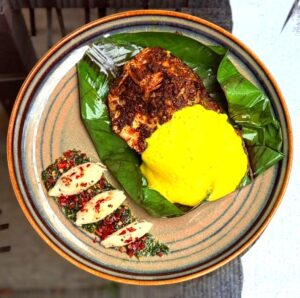
When the server said that the fish was steamed in banana leaf, João raised an eyebrow.
“Folha? Como na Madeira?” he murmured.
Banana-leaf steaming is rare in mainland Portugal today, but in Madeira and the Azores, older home cooks still steam peixe ao vapor in hoja or parchment.
The menu described the dish as: “Portuguese technique. Malabar flavours. A seamless harmony.”
As the banana leaf unfurled, the fish released aromas of raw mango, chilli, and coconut oil. It wasn’t anything like caldeirada, yet the tender flesh, bright citrus notes, and the soft heat—“Kerala’s own piri-piri,” the server joked—made João smile.
“Different ingredients,” he said, “but the spirit of coastal cooking… that’s the same everywhere.”
For Marina, it wasn’t nostalgia—it was recognition. Two coastlines separated by an ocean, speaking the same culinary language.
2. Koonthal Nirachathu — Kerala’s Counterpart to Stuffed Lulas
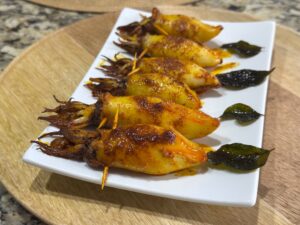
When the stuffed squid arrived, Beatriz leaned forward instantly.
“Pai, parece lulas recheadas!” (Dad, it looks like stuffed squid!)
And she was right.
Koonthal Nirachathu—squid stuffed with shallots, egg, turmeric, pepper, and the aromatic Moplah masala—is roasted until its edges blister slightly.
In Portugal, lulas recheadas are filled with breadcrumbs, herbs, and sometimes chouriço. Different fillings, different spices—but a shared sensibility.
João tasted it quietly.
“Not our flavours,” he said, “but the preparation… this could be Setúbal. Squid treated with care is universal.”Beatriz adored the soft smokiness.
“It’s like our dish,” she said, “with a Kerala accent.”
3. Chattipathri — A Layered Celebration That Felt Strangely Familiar
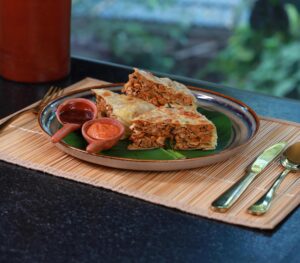
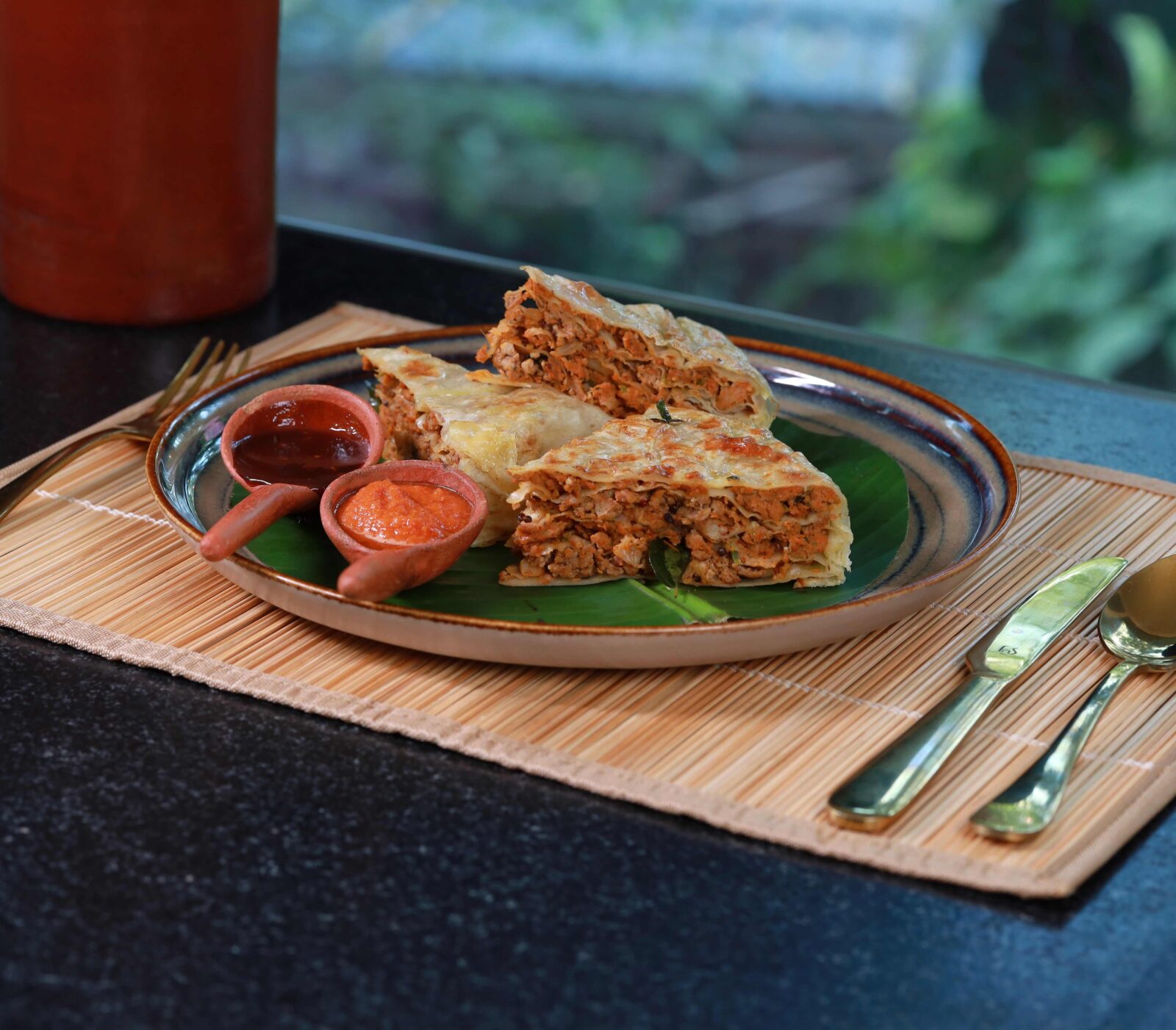
The dish they least expected to relate to was Chattipathri—a ceremonial Moplah delicacy.
Described as rice pancakes layered with chicken, brushed with ghee, and baked like a cake, it appeared architectural. When Marina sliced through the layers, she paused.
“Isto parece empadão… mas não é empadão.”
Empadão—Portugal’s comforting layered pie—is usually potato-based and far heavier. But the idea of layering, the slow baking, the sense of occasion felt quietly familiar.
Beatriz called it her favourite.
“It reminds me of home,” she said, “not in flavour… but in feeling.”
What They Carried Back From Wayanad
The Ferreiras discovered instead a deeper, more meaningful connection between The Malabar and their homeland:
A steaming method that echoed island traditions
A squid dish crafted with the same reverence as lulas recheadas
A layered celebration dish mirroring the logic of empadão
A shared coastal heritage—spice, sea, smoke, citrus
A flavour bridge shaped not by imitation, but by centuries of travel
As João reflected later,
“Two places can be entirely different… and still understand each other through food.”
And that, for the Ferreira family, was the quiet magic of their evening at The Malabar—a reminder that culinary traditions travel, transform, and recognise one another across time, tides, and distance.
















Leave a comment