

India–Philippines Tourism Boosted by Free E-Visas and Direct Flights
The Philippines and India are taking significant steps to strengthen tourism relations by improving travel connections between the two nations. Starting in October 2025, Filipino tourists will benefit from free e-visas when travelling to India, along with the introduction of direct flights from Delhi to Manila. These developments are expected to enhance tourism, facilitate travel, and create opportunities for business and cultural exchanges between the two countries.
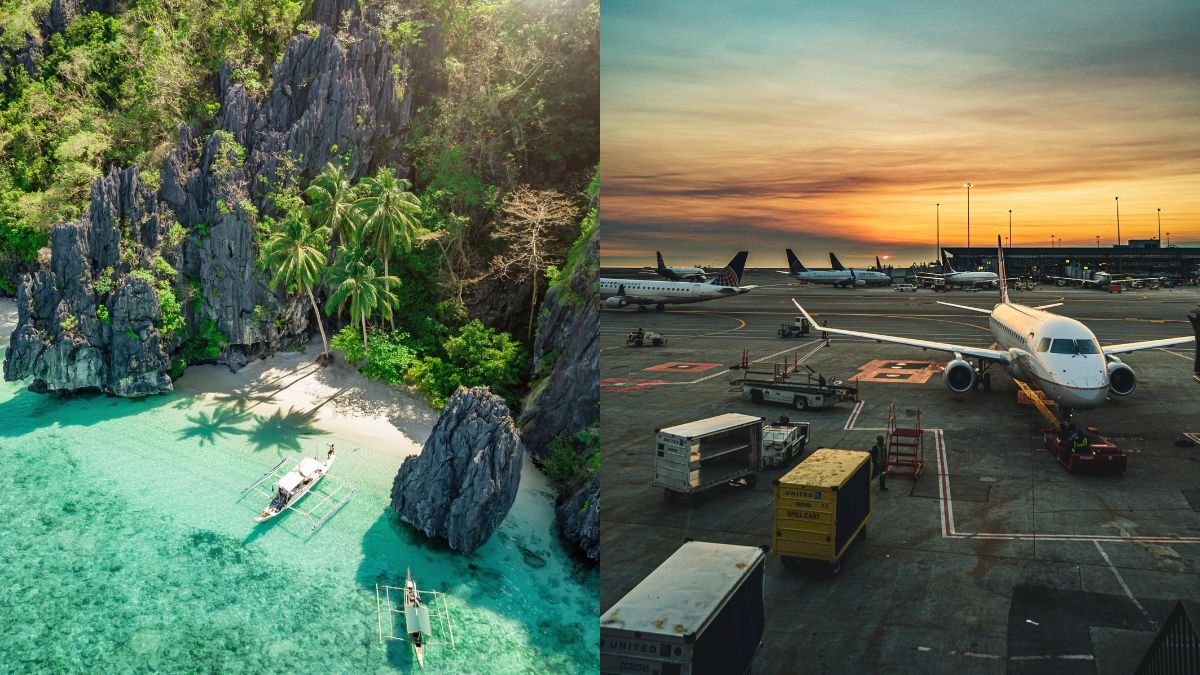
Beginning June 8, 2025, Indian tourists will have the option to visit the Philippines without a visa, with a maximum stay of 14 days. Furthermore, those holding valid residence or tourist visas issued by the US, Japan, Australia, the UK, or certain other countries will be able to extend their stay to 30 days. This policy is poised to boost Indian tourism to the Philippines, which offers beautiful destinations such as Palawan, Boracay, and Manila while simultaneously strengthening ties with India.
In a reciprocal effort, the Philippines will issue free e-visas for Filipinos travelling to India starting in 2025. This initiative aims to encourage Filipinos to explore India’s rich culture, heritage sites, and major cities like Delhi, Jaipur, and Mumbai. By simplifying the visa process and removing traditional application procedures, these changes are anticipated to significantly boost bilateral tourism between the two nations.

Such measures of visa ease for both nations are bound to encourage reciprocated travel and proactively foster notice tourism. This is a clear indicator that the two countries are forging a closer partnership that addresses the desire for development, reciprocal advantage, and overarching goals of travel and tourism between them.
In a remarkable developmental update, Air India has announced direct flights between Manila and Delhi starting October 1, 2025. Travellers from both countries will now be able to engage in non-stop exploration of each other’s landscapes or cultures. Air India will greatly enhance travel between India and the Philippines by operating five flights a week.

Previously, visitors faced the inconvenience of connecting flights, which increased both the duration and complexity of their journeys. However, with the introduction of the new route, tourists and business travellers can now take advantage of direct flights that significantly reduce travel time. Whether travelling for leisure to the Philippines’ beaches or for business to India, this new non-stop route will benefit everyone.
Air India is positioning itself as the leading operator of a new critical air corridor with the launch of these flights. This initiative could serve as a model for future direct international flights that better integrate India with other Southeast Asian countries.
The introduction of direct flights, combined with the free e-visa policy, is expected to promote tourism between India and the Philippines. Filipino tourists will have improved access to some of India’s world-famous attractions, such as the Taj Mahal, the backwaters of Kerala, and the markets of Rajasthan. Similarly, Indian tourists will find it easier to visit the Philippines, known for its white-sand beaches, crystal-clear waters, and tropical islands like Cebu and Davao.
The seamless e-visa process and direct flights will also facilitate cultural exchange, which is a powerful way to build understanding and relationships between countries. Consequently, an increase in not only leisure tourism but also educational and cultural tourism is likely. Both countries boast a rich history and vibrant culture that travellers will be eager to explore.
The impact reaches further than just tourism; it affects the economy and culture as well. The Philippines and India share strong and deepening business relationships in trade, technology, and education. Increased people-to-people travel will improve networking and collaborative opportunities. The tourism industry will reap the rewards of the enhanced travel, boosting investments in hospitality and tourism infrastructure in both countries.
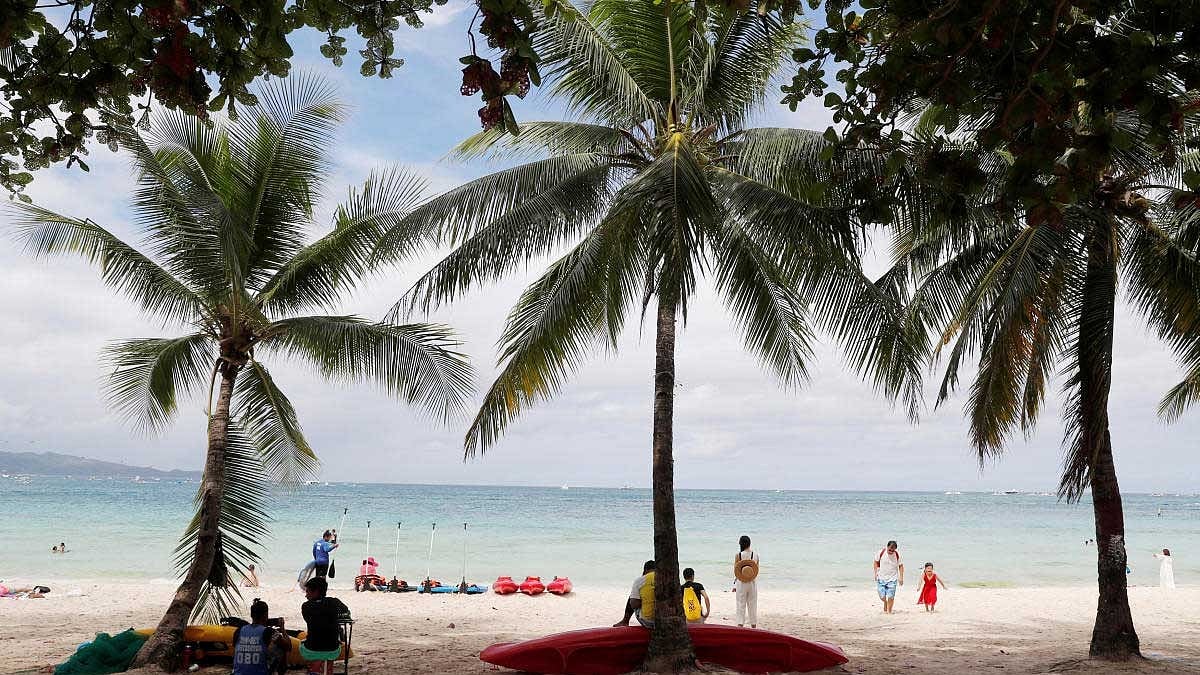
This plan will especially benefit India’s hospitality sector. Increasing tourist flow from the Philippines will probably occupy the hotels in India’s major tourism hubs. These travellers will be looking for a variety of places to stay, from high-end hotels to more economical options. Additionally, the expanding Filipino market will provide opportunities for targeted advertising and tailored travel services, enabling hotels and restaurants to reach and meet the needs of this market.
This policy without a visa maximizes access for Indian visitors, many of whom travel for leisure or business. The resort industry will benefit as Indians increasingly seek exotic vacation destinations close to home. Furthermore, businesses in the Philippines in hospitality, retail, and food services will have more Indian travellers looking for unique experiences.
Technology plays a vital role in supporting travel, and these policy modifications demonstrate this utility. The implementation of e-visas for tourists from the Philippines showcases a clear case of travel technology simplification. The e-visa system’s online application process, coupled with fast approval, makes it a secure and efficient method for managing global travel.

Moreover, technology is expected to help travellers with up-to-date information on flights, hotels, and other tourism services. Such tools will assist travellers from either country in meeting the required procedures and planning their trips effortlessly.
The issuance of free e-visas and the commencement of direct flights between India and the Philippines will significantly benefit the tourism industries of both nations. This will completely open the world of travel and enhance travel ease. From the tourism, hospitality, and airline industries, there will be an increased demand, which will result in increased revenue and will give businesses the chance to expand their services and offerings.
Bilateral relations between the two countries are now 75 years old, and the two countries are hosting these initiatives to celebrate the relationship. This will serve as a catalyst for the two nations to further their relationship and the tourism industry. India and the Philippines are poised to reap significant benefits once travel obstacles are removed.












Leave a comment