

Emirates Flight Catering Commissions Biodigester to Strengthen Waste Management and Reduce Emissions
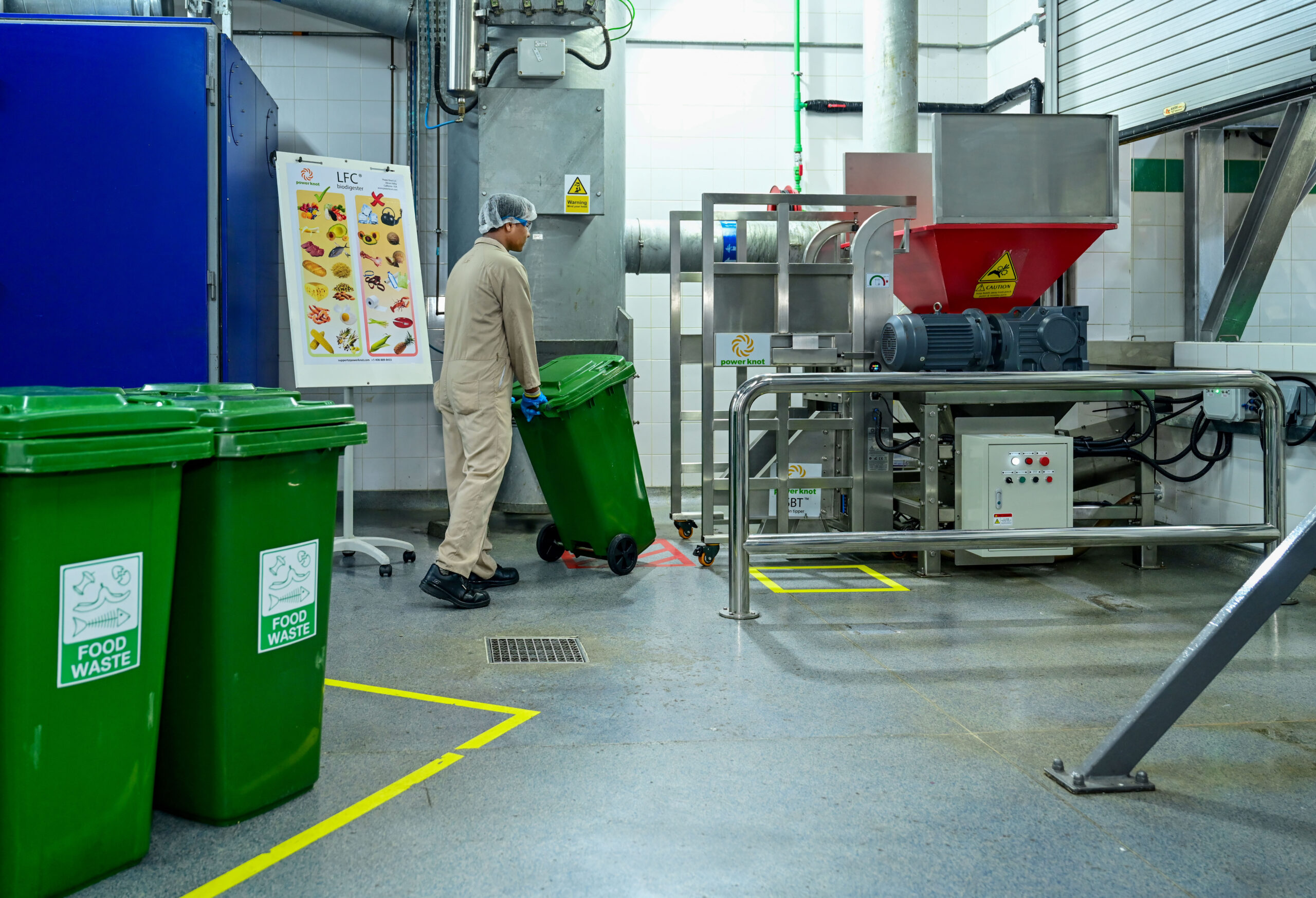
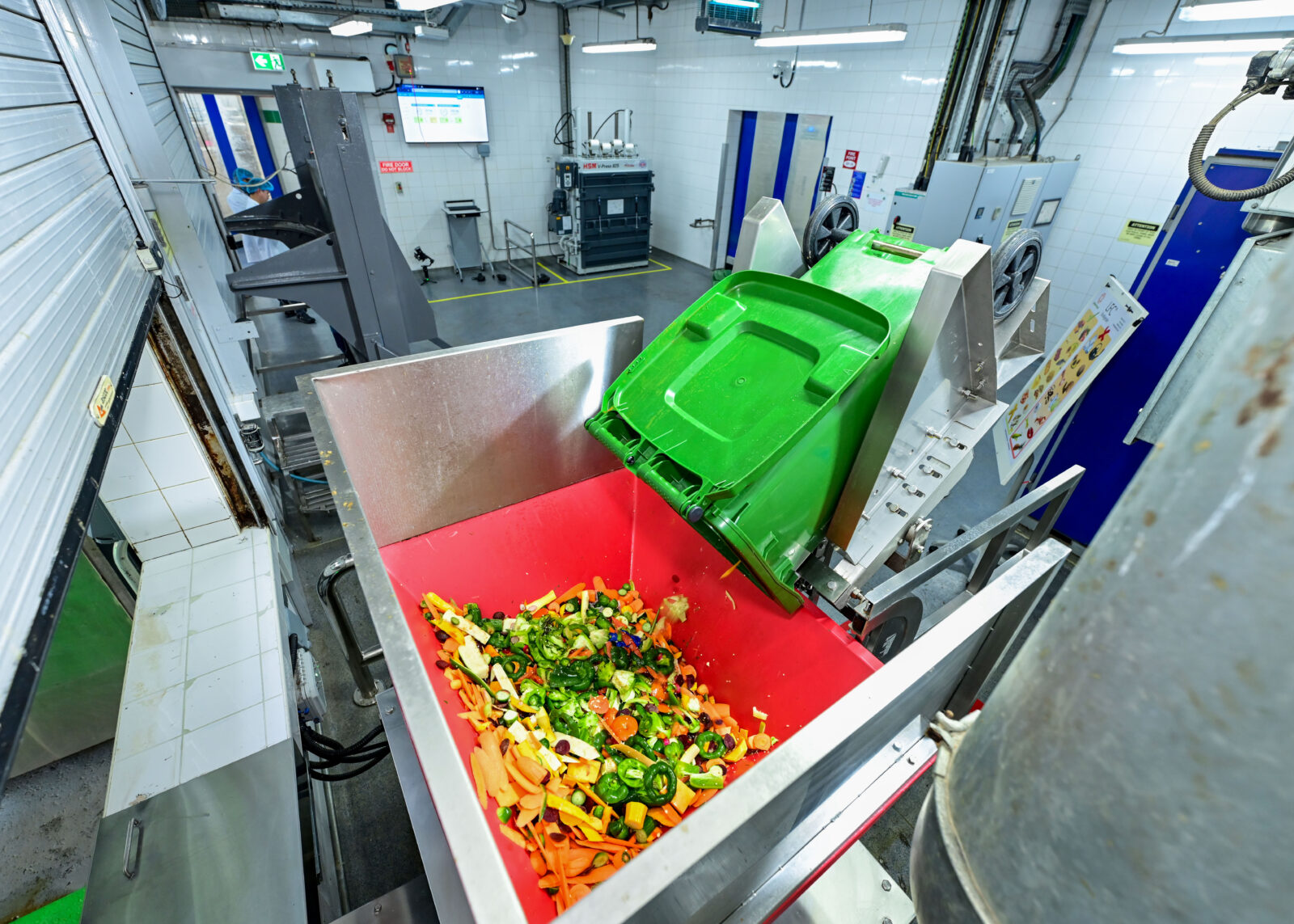
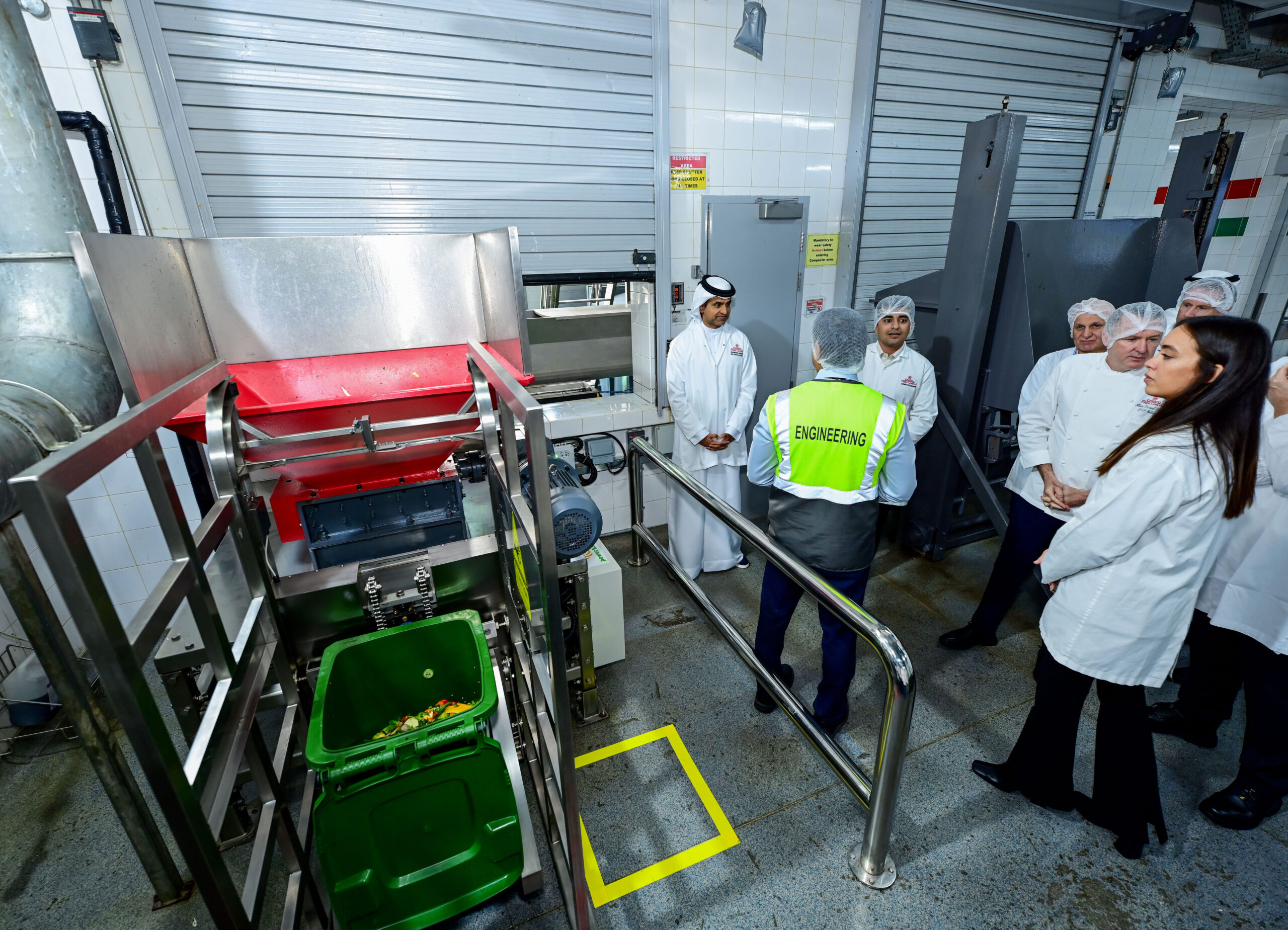
Emirates Flight Catering (EKFC) has installed a large, custom-built biodigester to enhance waste management and minimize landfill dependence. Located at EKFC’s Central Commissary Unit, the Power Knot LFC-3000 biodigester allows for on-site processing of organic waste, treating it directly at the source instead of sending it to landfill.
The biodigester operates through aerobic digestion, using oxygen, heat, and microorganisms to break down food waste. This process generates grey water that can be reused for non-potable applications. As the microbial culture matures, the system becomes more efficient and capable of handling a broader range of organic waste streams.
Commenting on the project, Shahreyar Nawabi, Chief Executive Officer of Emirates Flight Catering, said the initiative reflects EKFC’s focus on managing waste responsibly by diverting it from landfill and repurposing it. He added that cross-functional collaboration and consistent waste segregation practices were key to delivering the project.
Since commissioning in December 2025, throughput has increased steadily, with the biodigester currently processing up to 3.5 tonnes of food waste per day. EKFC expects capacity to rise to approximately 6 tonnes per day as the system reaches full biological maturity.
Using greenhouse gas conversion factors aligned with the Department for Environment, Food & Rural Affairs (DEFRA), EKFC estimates that diverting one tonne of food waste from landfill avoids around 0.7 tonnes of CO₂e, primarily by preventing methane emissions from decomposition. At full capacity, the biodigester could help avoid more than 2,000 tonnes of CO₂e annually.
The biodigester forms part of EKFC’s wider sustainability programme. The company has invested in renewable energy, including solar panels that generated around 4,000 MWh last year, helping avoid approximately 1,600 tonnes of CO₂e. EKFC is also introducing electric vehicles across its operations and is testing an electric hi-loader, expected to be operational by mid-2026.
In addition, EKFC continues to advance circularity initiatives. In the past year, the company processed nearly 75,000 kg of food waste through a smaller LFC-50 biodigester, reduced plastic packaging by around 45,000 kg annually, and developed dozens of recipes using production trimmings. Pesticide-free lettuce from Bustanica was also used in thousands of Emirates salads daily, supported by AI-driven automation and smart camera technology to improve production quality and reduce waste.
Through these combined measures, Emirates Flight Catering continues to integrate sustainability practices into its daily operations while addressing waste, emissions, and resource efficiency.













Leave a comment