

Delta advances baggage handling with AI, automation and new infrastructure
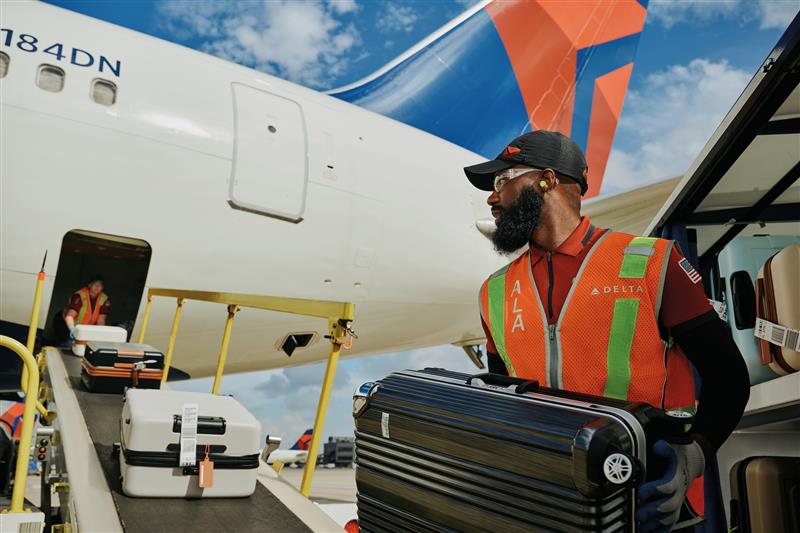
On peak travel days, Hartsfield-Jackson Atlanta International Airport handles 100,000 bags. To ensure that each bag reaches the correct aircraft, coordination, innovation, and teamwork are essential. This holiday season, Delta is enhancing its baggage operations by introducing new tools, including AI-driven systems and updated ground support equipment, and by investing $110 million in infrastructure. So far this year, Delta has handled more than 127 million bags worldwide, with fewer than 1% being mishandled. The airline remains committed to improving accuracy and reliability in its operations.
Customer Experience
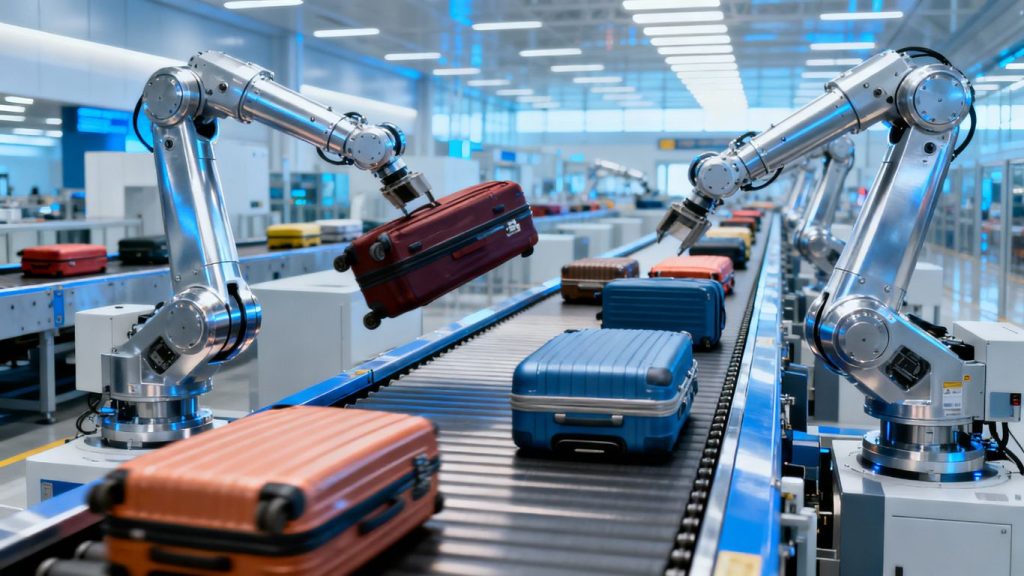
NBC TODAY Show: How technology supports Delta’s baggage operations
New AI technology is helping Delta teams improve bag-handling performance.
For travellers passing through Atlanta—where roughly 40% of Delta customers connect each day—efficient baggage transfer is central to a smooth travel experience. Delta has introduced new technology that has already improved bag transfers by nearly 30%, helping more customers receive their bags on time.
“Innovation is taking place across our entire operation. It enables Delta people to focus on customer care while technology manages logistical complexity,” said Richard Cox, SVP, Airport Customer Service.
AI-powered routing supports tight connections
Delta’s “Baggage AI” platform, built in-house, serves as a routing tool for more than 250 ramp agents who transfer bags between flights. The system uses live flight data, bag locations, and available connection time to create optimized driving routes. Every two minutes, routes are recalculated based on real-time factors, including gate changes, schedule adjustments, and connection priorities.
“It’s like having a guide that tells you where to be and when,” said Mike Davis, an 11-year baggage transfer driver in Atlanta.
“We previously depended on experience and estimates. Now the system highlights the bags that need attention first, giving us clearer direction.”
Designed for the scale of Atlanta’s baggage operation—where a single arrival may connect to dozens of departure gates—the tool is showing measurable impact. The team processes an average of 87,000 bags daily, with peak periods exceeding 110,000. Plans are in progress to expand Baggage AI to other hubs in 2026.
A $110 million investment to streamline baggage flow
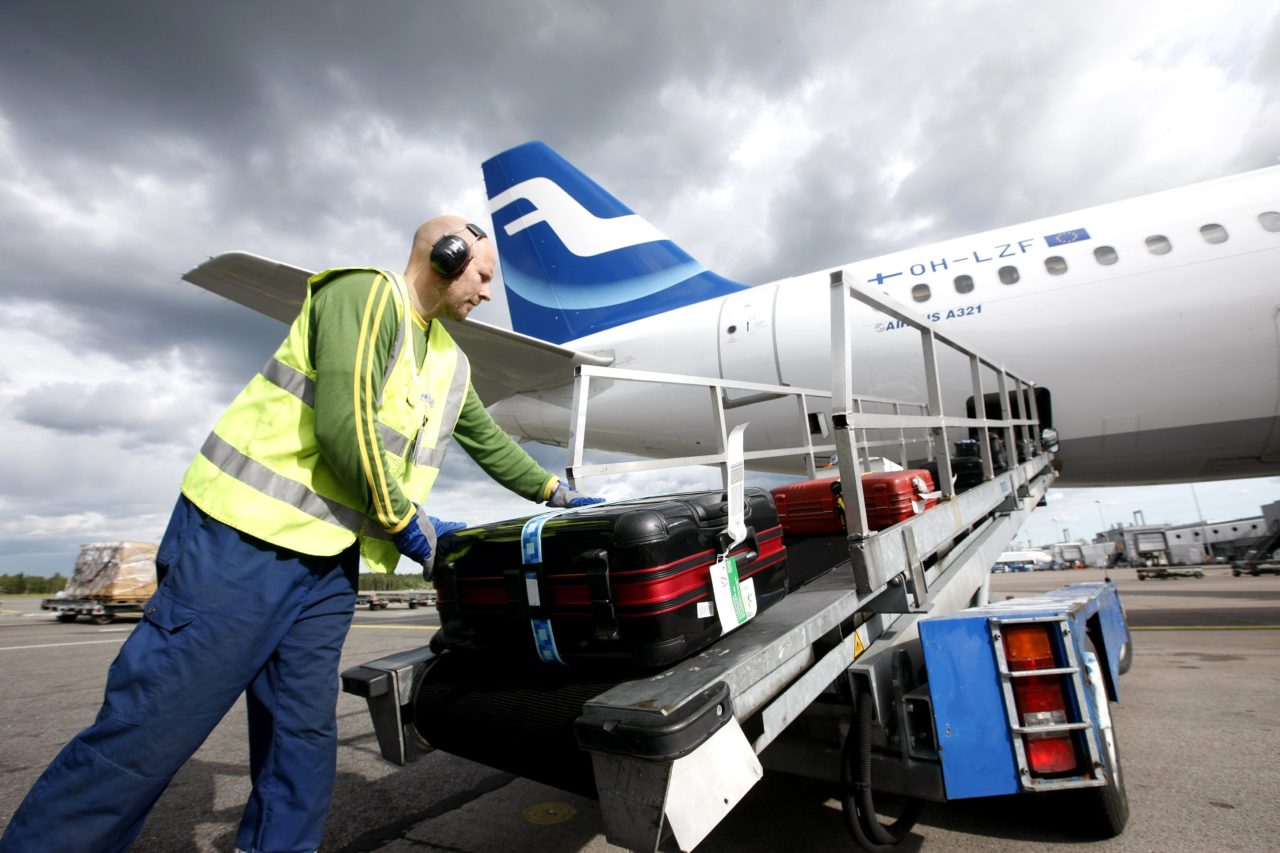
While AI is enhancing coordination on the ramp, Delta is also investing in physical systems that move bags within the airport. This year, $40 million of a larger $110 million project has been used to connect baggage systems across Concourses B, C, and T, creating a more integrated and efficient network.
Atlanta accounts for one-fifth of Delta’s global baggage volume. The team has already processed nearly 27 million bags this year—about 1 million more than the same period last year. The upgraded infrastructure supports faster sorting, improved routing, and reduced handling time.
Automation on the ramp: Supporting safety and consistency
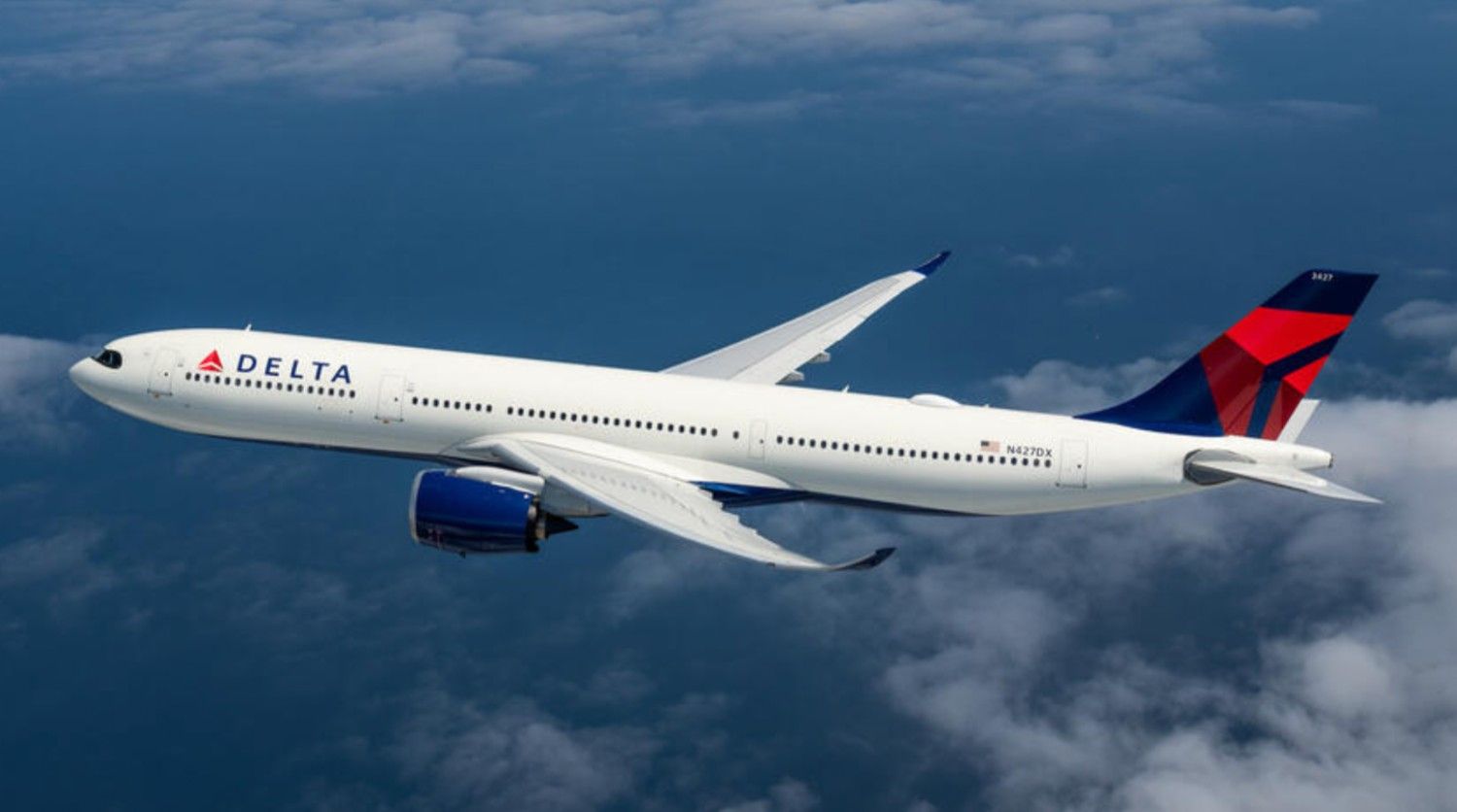
Delta has introduced autonomous jet bridges on Concourse B. These bridges dock automatically with aircraft doors and have supported more than 1,100 flights without incidents involving injury or aircraft damage.
Autonomous bag tugs have also been in use since 2023, completing more than 4,000 miles of movement at the Cargo facility and Terminal T bag room. The company expects to have 15 autonomous tugs operating by the end of the year.

“Integrating autonomy into Ground Support Equipment helps create a safer and more consistent operation,” said Ramsey Hammad, Managing Director, ACS Strategy.
“This allows teams to focus on work requiring human judgment and customer interaction.”
What’s next
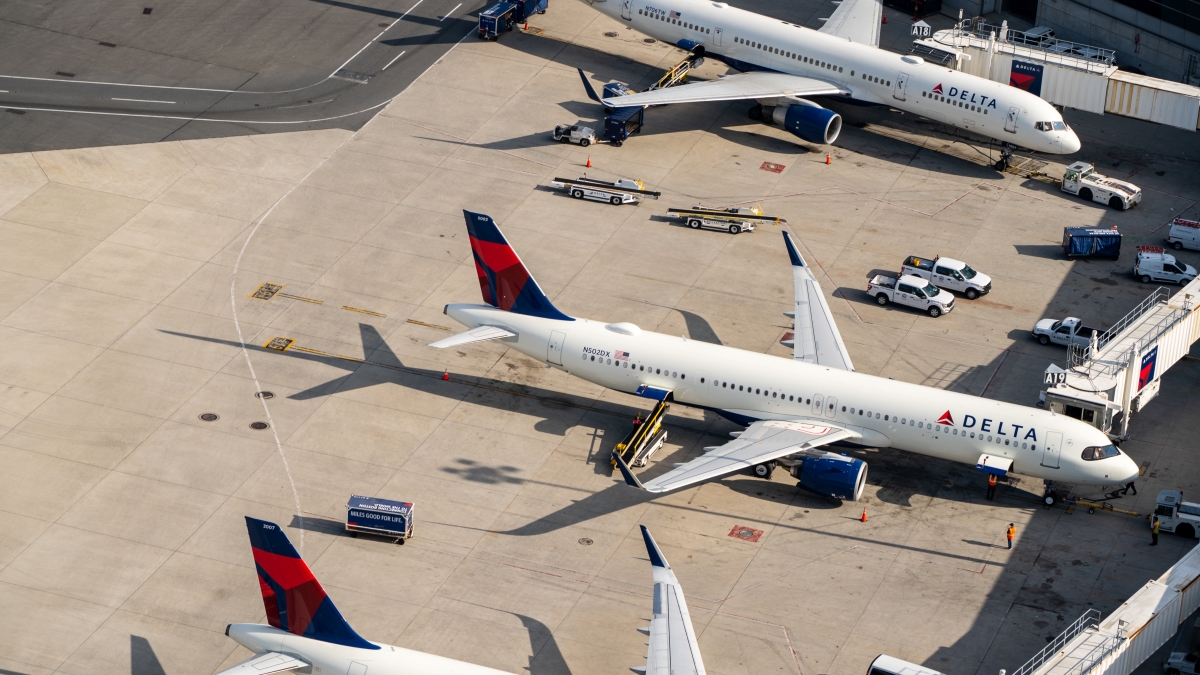
In 2026, Delta plans to update Baggage AI with additional optimization features that consider ramp congestion and weather effects. The system will also begin assigning drivers to tasks automatically based on their location. Plans are also underway to introduce bag scanning for transfer drivers, add more tracking points, and improve the ability to recover delayed bags.
These combined efforts—AI development, infrastructure upgrades, and autonomous equipment—reflect Delta’s broader approach to strengthening operational performance across its network.
As travellers move through Atlanta during the holiday period and into the new year, their bags are supported by an evolving set of technologies that aim to improve reliability, accuracy, and the overall customer journey.














Leave a comment