

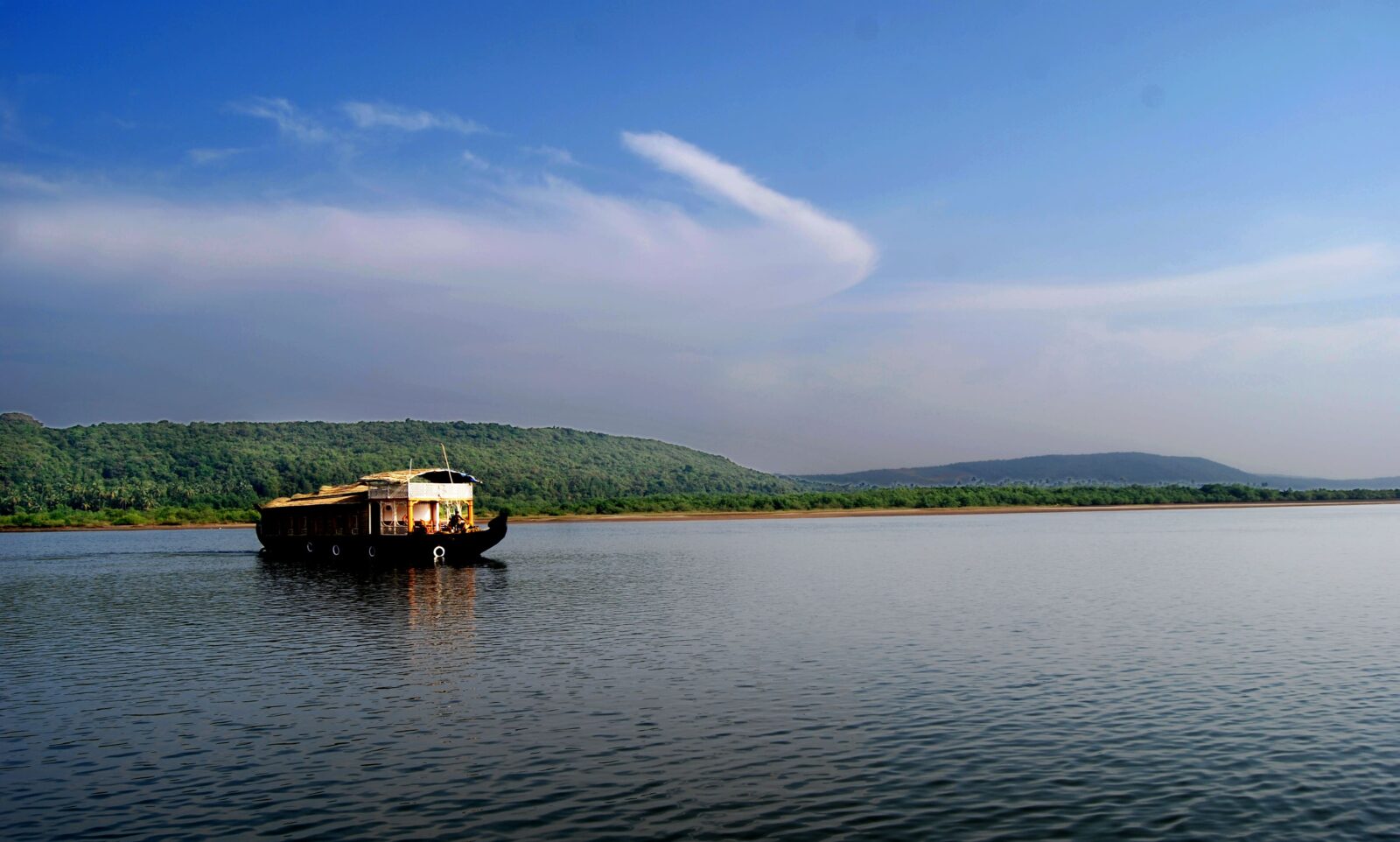
Discovering Maharashtra Across Time and Terrain
Maharashtra unfolds gradually. Within a single journey, travellers can move from the Arabian Sea to the forested ranges of the Sahyadris, from historic monuments to national parks, and from pilgrimage routes to contemporary cultural events. Distances between landscapes are manageable, allowing varied experiences within one itinerary.
UNESCO Heritage
Maharashtra is home to several UNESCO World Heritage Sites that reflect different historical periods and architectural traditions. The Ajanta Caves and Ellora Caves in the Marathwada region present rock-cut monasteries and temples carved into basalt cliffs.
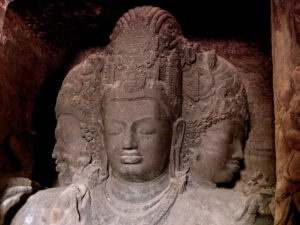
In Mumbai, the Elephanta Caves, located on Elephanta Island, feature sculptural panels dedicated to Lord Shiva, including the well-known Trimurti. The Victorian Gothic and Art Deco Ensembles of Mumbai highlight 19th and early 20th century architecture around Oval Maidan.
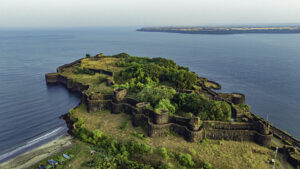
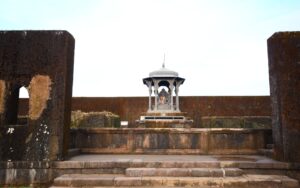
Parts of the Western Ghats within Maharashtra are also recognised by UNESCO for biodiversity. Additionally, eleven forts in the state are included in the UNESCO-recognised “Maratha Military Landscapes of India,” reflecting the region’s military history.
Sacred Routes and Festivals
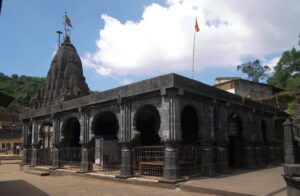
Maharashtra has a network of pilgrimage routes and temple towns. Five Jyotirlinga shrines are located here, including the Trimbakeshwar Temple, Bhimashankar Temple, Grishneshwar Temple, Aundha Nagnath Temple, and Parli Vaijnath Temple.
The annual Wari pilgrimage culminates at Pandharpur, drawing devotees who travel on foot over several days. Other significant sites include the Shirdi Sai Baba Samadhi Mandir, the Mahalaxmi Temple, and the Shree Siddhivinayak Temple.
Festivals such as Ganesh Chaturthi, Dahi Handi, and Shiv Jayanti are observed across urban and rural areas, reflecting regional traditions and community participation.
The Konkan Coast
Maharashtra’s coastline stretches along the Arabian Sea for approximately 720 kilometres. Fishing villages, temple towns, and beaches define much of this landscape. Beaches such as Shrivardhan, Nagaon, Guhagar, Parnaka, and Ladghar have received Blue Flag certification for environmental standards and visitor facilities. Coastal travel here often centres on local cuisine, water-based activities, and small-scale accommodations.
Forests and Hill Landscapes
The Sahyadri ranges influence travel patterns, particularly during the monsoon season when trekking routes and waterfalls attract visitors. Locations such as Malshej Ghat and Harishchandragad are frequented by hikers.
In eastern Maharashtra, the Tadoba Andhari Tiger Reserve and Pench National Park support wildlife tourism under regulated conservation frameworks.
Lakes and Geological Sites
Tapola, near Mahabaleshwar, and Bhandardara in Ahmednagar district are known for reservoirs and surrounding hills. The Lonar Crater Lake, formed by a meteorite impact, contains saline and alkaline water and is studied for its geological characteristics.
Adventure and Caravan Travel
Adventure activities include trekking, rafting in Kolad, paragliding in Kamshet, and scuba diving near Malvan. Fort treks to sites such as Rajmachi and Torna remain part of weekend travel circuits. Caravan tourism has also developed in selected destinations, enabling flexible itineraries across hill regions, coastal areas, and forest zones.
Local Experiences and Cuisine
Experiential travel options include farm stays near Baramati and Satara, vineyard visits in Nashik, and homestays along the Konkan coast. Craft traditions such as Warli art and pottery workshops are offered in select villages.
Regional cuisines vary across districts. Konkan cuisine uses coconut and seafood, Kolhapur is associated with dishes such as Tambda and Pandhra Rassa, Vidarbha features Varhadi and Saoji preparations, and Marathwada relies on millets and lentils.
Responsible Travel
State tourism initiatives promote homestays, agritourism, and community-based projects. Visitors are encouraged to follow responsible practices, including waste reduction and respect for local customs and ecosystems.
Continuing Journeys
Travel in Maharashtra is shaped by season and geography. Monsoon, winter, and summer each present different landscapes and activities. Repeat visits often focus on specific regions, allowing travellers to explore the state in stages rather than in a single trip.














Leave a comment